
Affordable DIY House Kits: Build Your Dream Home with DIY Home Building Options

In the quest for affordable, sustainable, and rapid housing solutions, DIY home building options have emerged as a transformative approach. These options empower governments, NGOs, and private enterprises to address urgent housing needs, especially in disaster relief scenarios and underserved communities. Among these, affordable DIY house kits stand out as a practical and efficient method to construct durable homes without the complexities and costs associated with traditional building methods.
Understanding DIY Home Building Options
DIY home building options encompass a variety of prefabricated and modular construction methods that allow for partial or complete self-assembly of housing units. These kits typically include pre-cut materials, detailed instructions, and all necessary components to erect a home efficiently. The appeal lies in their affordability, speed of construction, and adaptability to different environments and needs.
For organizations involved in disaster relief or affordable housing projects, these kits offer several advantages:
- Cost Efficiency: Reduced labor and material waste lower overall expenses.
- Speed: Homes can be assembled in weeks rather than months.
- Sustainability: Many kits use eco-friendly materials and designs.
Scalability: Kits can be customized to various sizes and layouts.
By leveraging these options, stakeholders can deliver quality housing solutions that meet urgent demands without compromising on durability or comfort.
Key Features of Affordable DIY House Kits
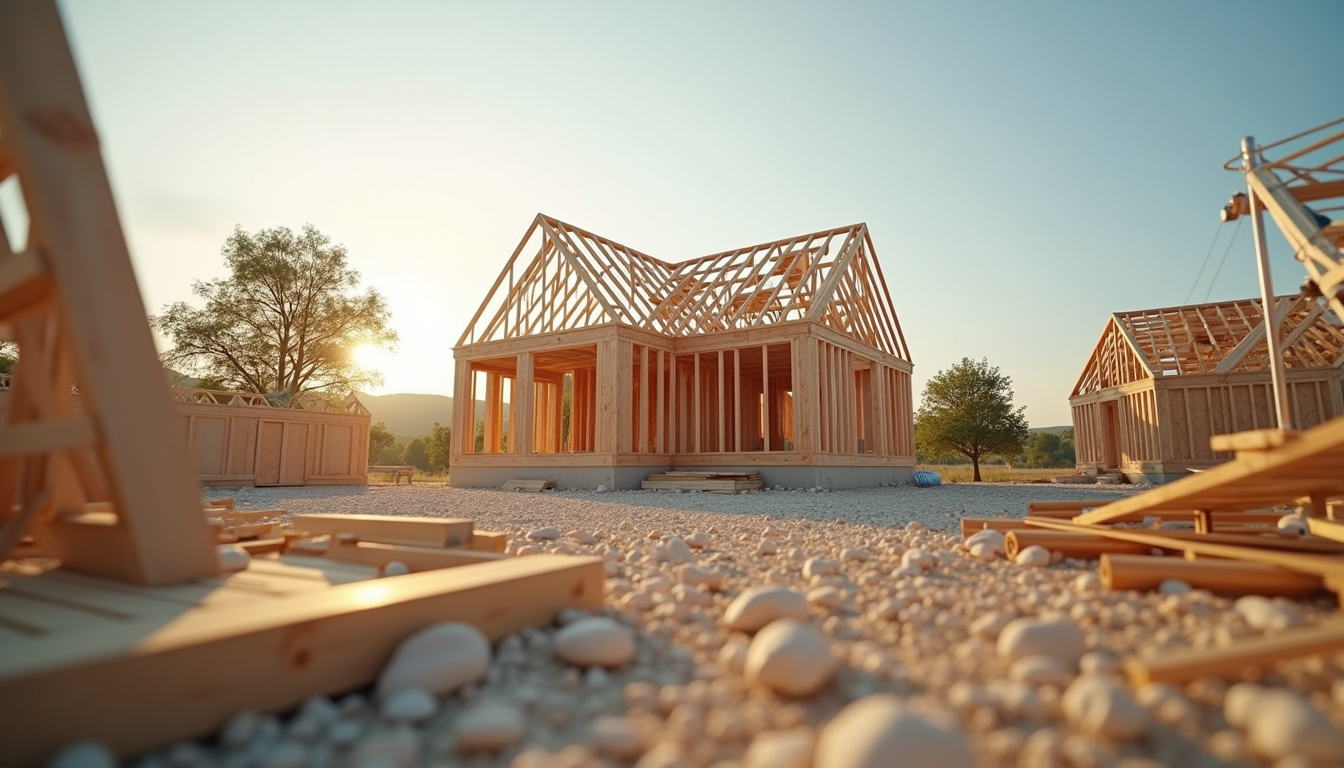
Affordable DIY house kits are designed with precision and practicality in mind. Their components are engineered to fit together seamlessly, minimizing the need for specialized tools or expertise. Some of the defining features include:
- Pre-cut and Pre-measured Materials: Lumber, panels, and fixtures arrive ready to assemble, reducing errors and delays.
- Modular Design: Components can be combined in various configurations to suit different spatial requirements.
- Comprehensive Instruction Manuals: Step-by-step guides ensure that assembly is straightforward, even for those with limited construction experience.
- Durability and Compliance: Kits are built to meet local building codes and withstand environmental challenges such as earthquakes, floods, or high winds.
Energy Efficiency: Many kits incorporate insulation and ventilation systems to optimize energy use.
These features collectively contribute to a streamlined building process that is accessible to a wide range of users, from professional contractors to community volunteers.
Practical Applications and Use Cases
The versatility of DIY house kits makes them suitable for numerous applications, particularly in contexts where rapid deployment and affordability are paramount. Some notable use cases include:
Disaster Relief Housing
Following natural disasters, the immediate need for shelter is critical. DIY house kits can be shipped and assembled quickly, providing safe and comfortable homes for displaced populations.
Affordable Housing Initiatives
Governments and NGOs can utilize these kits to address housing shortages in underserved areas, offering residents a dignified living environment at a fraction of traditional costs.
Temporary or Transitional Housing
For communities undergoing redevelopment or relocation, DIY kits offer a flexible solution that can be dismantled and moved as needed.
Remote and Rural Development
In locations where access to construction materials and skilled labor is limited, these kits simplify the building process and reduce logistical challenges.
By integrating these kits into housing programs, organizations can enhance their impact and deliver tangible benefits to vulnerable populations.
Selecting the Right DIY House Kit for Your Project
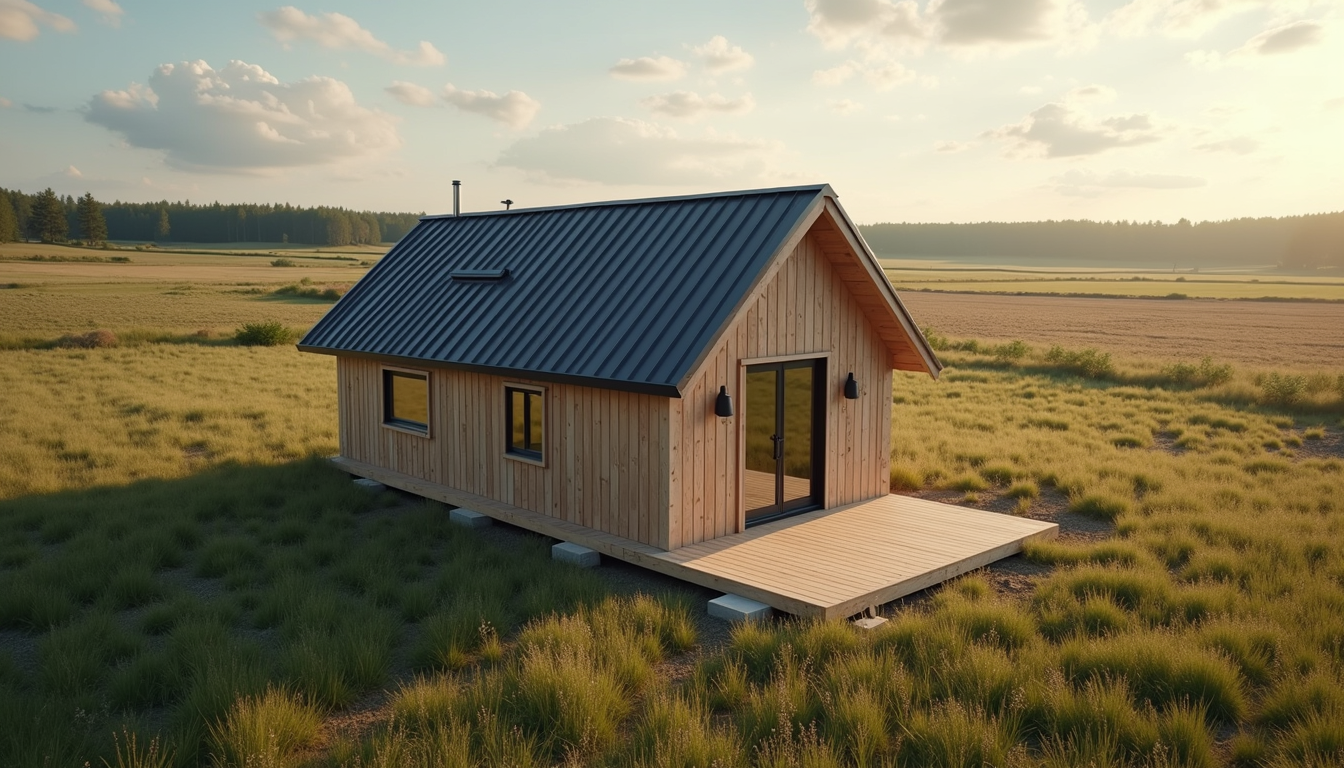
Choosing an appropriate DIY house kit requires careful consideration of several factors to ensure the final structure meets the intended purpose and environmental conditions. Key considerations include:
- Size and Layout Requirements
Determine the number of occupants and desired living spaces to select a kit that accommodates these needs comfortably.
- Material Quality and Sustainability
Evaluate the materials used for durability, environmental impact, and maintenance requirements.
- Local Building Codes and Regulations
Confirm that the kit complies with regional construction standards and zoning laws.
- Climate Adaptability
Consider insulation, ventilation, and weather resistance features suitable for the local climate.
- Assembly Complexity and Support
Assess the level of technical skill required and availability of customer support or professional assistance.
- Budget Constraints
Balance cost with quality and functionality to maximize value.
Engaging with suppliers and reviewing product specifications thoroughly will facilitate informed decision-making and successful project outcomes.
Implementing DIY House Kits in Large-Scale Housing Programs
For organizations aiming to deploy DIY house kits on a large scale, strategic planning and coordination are essential. The following recommendations can enhance efficiency and effectiveness:
- Conduct Needs Assessments
Analyze the target population’s requirements, site conditions, and logistical considerations.
- Develop Training Programs
Equip local teams and volunteers with the skills necessary for assembly and maintenance.
- Establish Supply Chains
Ensure timely delivery of kits and materials to construction sites.
- Monitor Quality Control
Implement inspection protocols to maintain construction standards.
- Engage Stakeholders
Collaborate with community leaders, government agencies, and technical experts to align objectives.
- Plan for Sustainability
Incorporate renewable energy options, water management systems, and durable materials to extend the lifespan of housing units.
By adopting these practices, organizations can maximize the impact of their housing initiatives and contribute to long-term community resilience.
For those interested in exploring available options, numerous diy house kits for sale offer a range of customizable solutions tailored to diverse needs.
Future Trends in DIY Home Building Options
The field of DIY home building is evolving rapidly, driven by technological advancements and growing demand for sustainable housing. Emerging trends include:
- Integration of Smart Technologies
Incorporating IoT devices for energy management, security, and comfort.
- Use of Advanced Materials
Adoption of lightweight composites, recycled materials, and 3D-printed components.
- Enhanced Modular Designs
Greater flexibility in expanding or modifying structures post-construction.
- Green Building Certifications
Emphasis on meeting environmental standards to reduce carbon footprints.
- Community-Centric Models
Collaborative building projects that foster social cohesion and skill development.
These innovations promise to further reduce costs, improve quality, and expand accessibility, aligning with the goals of organizations dedicated to affordable and rapid housing solutions.
Affordable DIY house kits represent a compelling solution for addressing global housing challenges. By combining cost-effectiveness, speed, and sustainability, these kits enable the construction of resilient homes tailored to diverse needs. As the demand for rapid-build housing grows, embracing DIY home building options will be instrumental in delivering safe, dignified shelter to those who need it most.
Planning a resilient housing project?
Request a Proposal