
Affordable Housing Innovations: Pioneering Solutions for Global Shelter Challenges

The global demand for affordable housing continues to escalate, driven by rapid urbanization, population growth, and the increasing frequency of natural disasters. Addressing this challenge requires a multifaceted approach that combines technological advancements, sustainable practices, and innovative financing models. As an expert in the field, I have observed that the integration of these elements is crucial for developing scalable and effective housing options that meet the needs of underserved communities and disaster-affected populations.
Exploring Affordable Housing Innovations
Innovations in affordable housing are transforming the way shelter is conceived, designed, and delivered. These advancements not only reduce construction costs but also enhance sustainability and resilience. Among the most promising innovations are modular construction, 3D printing, and the use of eco-friendly materials.
Modular construction involves prefabricating housing components in controlled factory environments before assembling them on-site. This method significantly reduces construction time and waste, while maintaining high quality standards. For example, modular homes can be rapidly deployed in disaster zones, providing immediate shelter without compromising durability.
3D printing technology has emerged as a revolutionary tool in affordable housing. By using specialized printers to create building components layer by layer, this approach minimizes material waste and labor costs. Projects utilizing 3D printing have demonstrated the ability to construct entire homes within days, offering a scalable solution for emergency housing needs.
Sustainable materials such as recycled plastics, bamboo, and compressed earth blocks are gaining traction as alternatives to traditional building materials. These resources not only lower environmental impact but also reduce dependency on costly imports. Incorporating renewable energy systems like solar panels further enhances the self-sufficiency of affordable housing units.
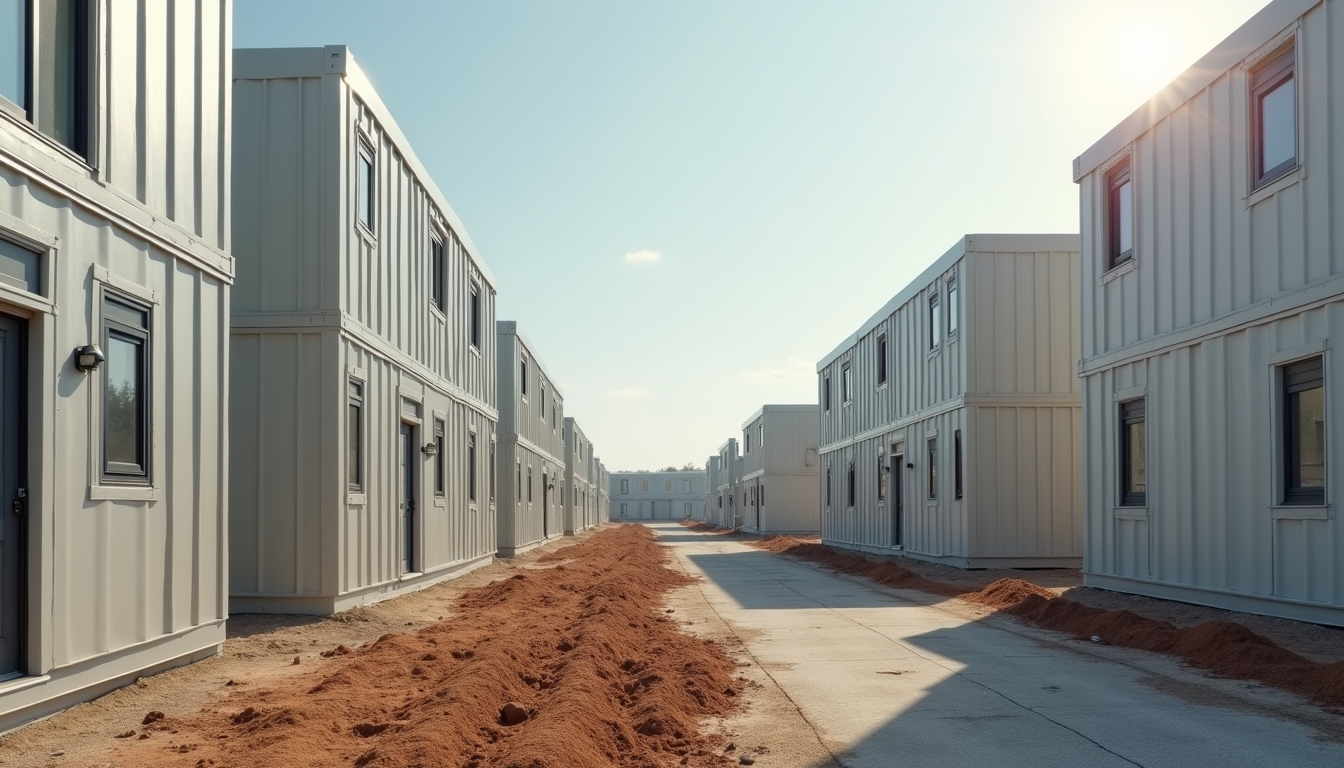
Modular housing units assembled rapidly on-site, showcasing efficient construction methods.
What is the biggest issue with affordable housing?
The primary obstacle in affordable housing development is the balance between cost, quality, and speed of delivery. Traditional construction methods often involve lengthy timelines and high expenses, which are incompatible with the urgent needs of disaster relief and low-income populations. Additionally, regulatory hurdles and land acquisition challenges frequently delay projects, exacerbating housing shortages.
Another critical issue is the lack of integration between housing and essential infrastructure. Affordable homes must be connected to water, sanitation, electricity, and transportation networks to ensure livability. Failure to address these factors results in substandard living conditions, undermining the purpose of affordable housing initiatives.
Furthermore, financing models for affordable housing projects often lack flexibility. Many developers face difficulties securing capital due to perceived risks and low profit margins. Innovative financing mechanisms, such as public-private partnerships and impact investing, are essential to bridge this gap and stimulate large-scale development.
Leveraging Technology for Rapid Deployment
Rapid deployment of housing solutions is vital in disaster scenarios where displaced populations require immediate shelter. Technological advancements have enabled the creation of rapid-build housing systems that can be transported and assembled with minimal labor and equipment.
One such technology is the use of pre-engineered steel frames combined with insulated panels. These systems offer robustness against extreme weather while allowing for quick assembly. Their modular nature permits customization to suit different climates and cultural preferences.
Another approach involves container homes, which repurpose shipping containers into livable spaces. These units are durable, stackable, and easily transportable, making them ideal for temporary or permanent housing in crisis zones. When outfitted with energy-efficient fixtures and water-saving devices, container homes become sustainable options.
Digital tools also play a role in optimizing housing projects. Geographic Information Systems (GIS) and Building Information Modeling (BIM) facilitate site selection, design accuracy, and resource management. These technologies reduce errors and improve coordination among stakeholders, accelerating project timelines.
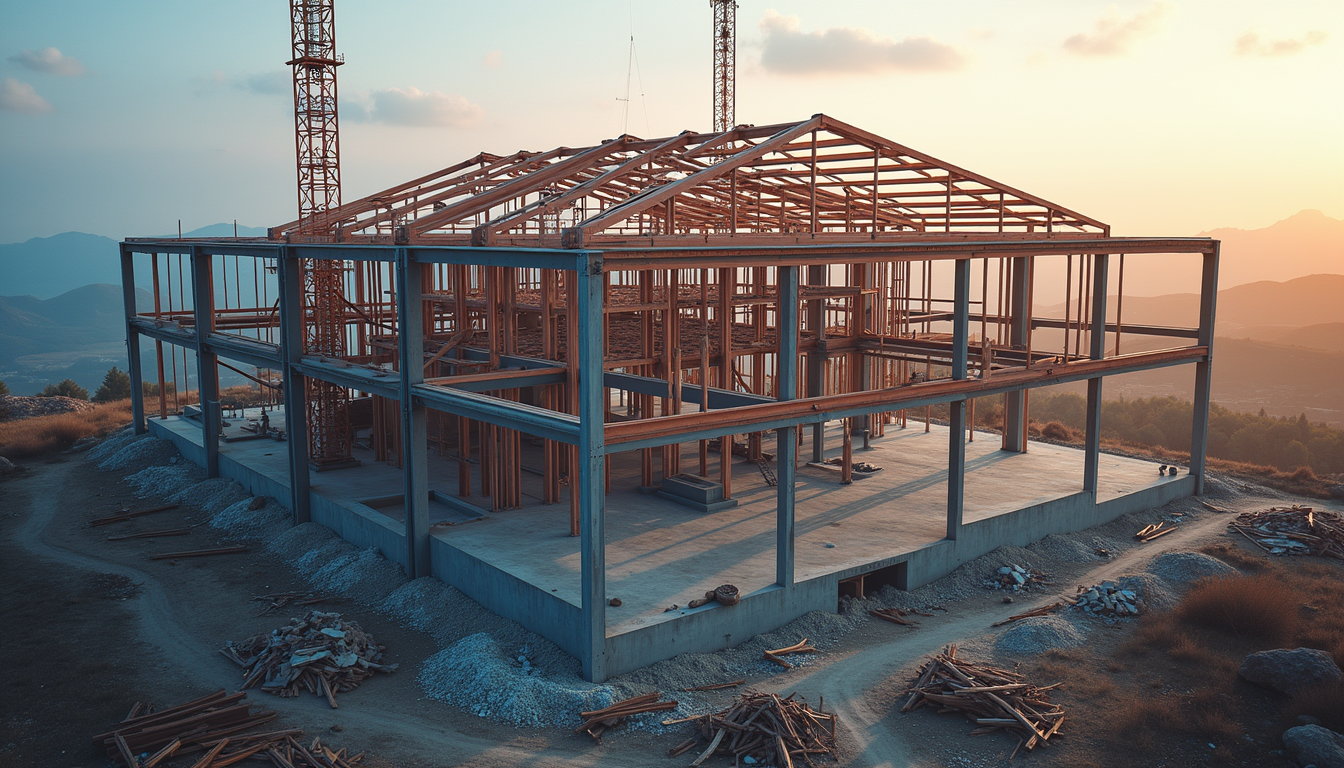
Pre-engineered steel frame housing under construction, illustrating rapid assembly techniques.
Financing Models Driving Affordable Housing Growth
Innovative financing is a cornerstone of successful affordable housing initiatives. Traditional funding sources often fall short due to the scale and complexity of projects. To overcome this, several models have gained prominence:
Public-Private Partnerships (PPPs): Governments collaborate with private enterprises to share risks and resources. PPPs enable access to capital, expertise, and streamlined regulatory processes, facilitating faster project delivery.
Social Impact Bonds: Investors provide upfront capital for housing projects and receive returns based on social outcomes, such as reduced homelessness or improved health metrics. This model aligns financial incentives with community benefits.
Microfinance and Cooperative Housing: Small loans and collective ownership structures empower low-income families to participate in housing development. These approaches foster community engagement and long-term sustainability.
Grants and Subsidies: Targeted financial support from NGOs and international organizations can reduce costs and encourage innovation. These funds often prioritize projects that incorporate green technologies and disaster resilience.
By combining these financing mechanisms, stakeholders can create a robust ecosystem that supports the development of affordable housing at scale.
Policy and Regulatory Frameworks Supporting Innovation
Effective policy frameworks are essential to foster innovation in affordable housing. Governments must enact regulations that encourage experimentation while ensuring safety and quality standards. Key policy measures include:
Streamlining permitting processes to reduce bureaucratic delays.
Incentivizing sustainable construction through tax credits and subsidies.
Mandating inclusionary zoning to ensure affordable units are integrated into new developments.
Supporting land banking initiatives to secure sites for affordable housing projects.
Promoting capacity building for local builders and developers to adopt new technologies.
International collaboration and knowledge sharing also play a vital role. By learning from successful models worldwide, policymakers can adapt strategies to local contexts and accelerate progress.
Future Directions in Affordable Housing Innovations
Looking ahead, the convergence of technology, finance, and policy will continue to drive transformative changes in affordable housing. Emerging trends include:
Smart homes equipped with IoT devices to optimize energy use and enhance security.
Circular economy principles applied to construction, emphasizing reuse and recycling.
Community-driven design processes that prioritize resident needs and cultural relevance.
Integration of green infrastructure to improve environmental resilience and quality of life.
As these innovations mature, they will enable the delivery of high-quality, affordable housing that is both sustainable and scalable. Stakeholders must remain committed to collaboration and continuous improvement to meet the evolving challenges of global shelter needs.
In my experience, embracing these innovative approaches is not merely an option but a necessity. By leveraging cutting-edge technologies and progressive policies, it is possible to create housing solutions that are affordable, resilient, and dignified for all.
For those seeking comprehensive affordable housing solutions, integrating innovation with strategic partnerships will be the key to success.
This exploration underscores the critical importance of innovation in addressing the affordable housing crisis. Through concerted efforts, it is feasible to provide rapid, sustainable, and cost-effective shelter to those who need it most, fulfilling both humanitarian and developmental objectives.
Planning a resilient housing project?
Request a Proposal