
Affordable Housing Project Planning: Affordable Housing Solutions that Make a Difference

Addressing the global need for affordable housing requires a strategic and multifaceted approach. The challenge is not merely to construct dwellings but to develop sustainable, rapid-build, and cost-effective housing that can serve disaster relief efforts and underserved communities alike. This article explores the critical aspects of affordable housing project planning, highlighting innovative methods and practical recommendations that can transform lives and communities.
The Fundamentals of Affordable Housing Project Planning
Effective affordable housing project planning begins with a comprehensive understanding of the target population's needs and the environmental context. It involves meticulous site selection, resource allocation, and adherence to regulatory frameworks. The goal is to balance cost-efficiency with quality and sustainability.
Key components include:
- Needs Assessment: Identifying the demographic, economic, and social characteristics of the community.
- Site Analysis: Evaluating land availability, accessibility, and environmental impact.
- Design and Engineering: Incorporating modular and prefabricated construction techniques to reduce time and costs.
- Stakeholder Engagement: Collaborating with governments, NGOs, and private enterprises to align objectives and resources.
Financial Planning: Securing funding through grants, subsidies, and partnerships to ensure project viability.
By integrating these elements, planners can create housing projects that are not only affordable but also resilient and adaptable to future needs.
Innovative Strategies in Affordable Housing Project Planning
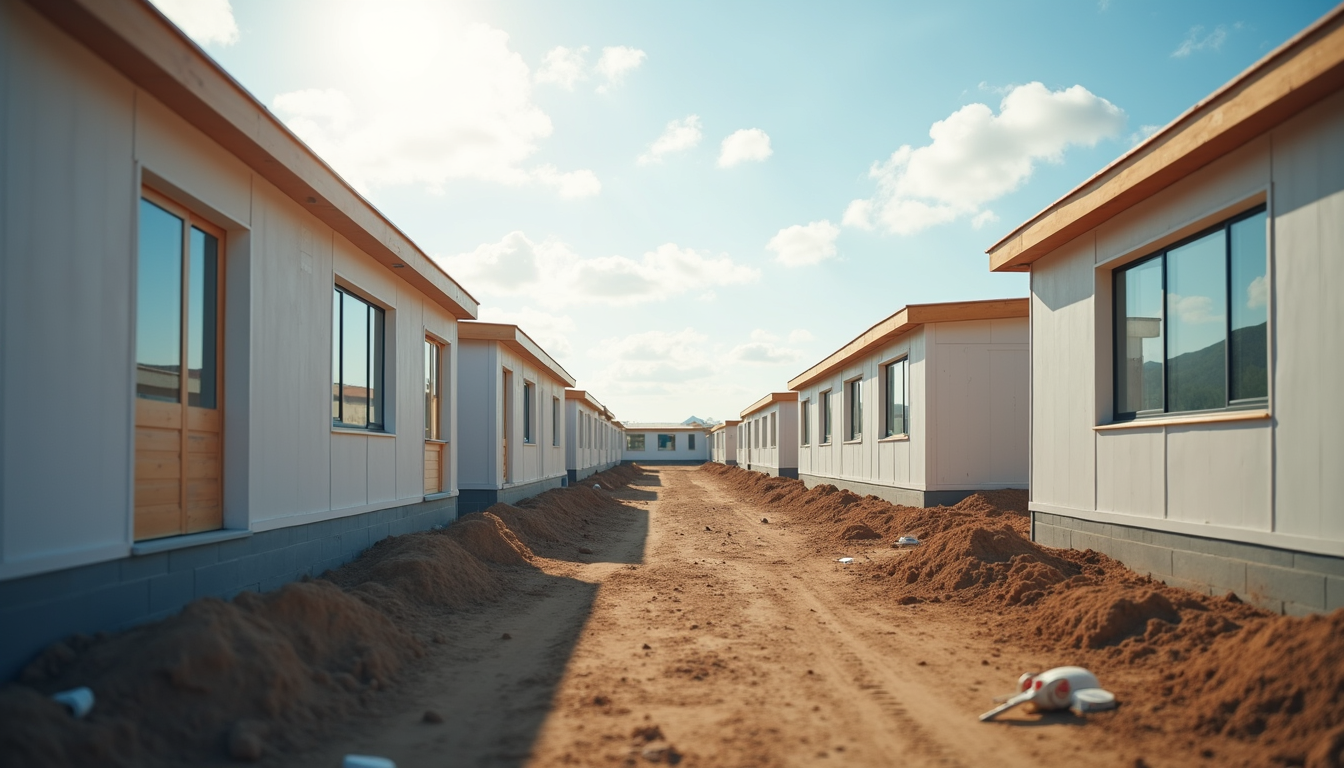
Advancements in technology and materials have revolutionized affordable housing project planning. Prefabrication, 3D printing, and sustainable materials are at the forefront of these innovations.
- Prefabricated Construction: This method allows for components to be manufactured off-site and assembled quickly on-site, significantly reducing construction time and labor costs.
- 3D Printing: Emerging as a promising technology, 3D printing can produce housing components with precision and minimal waste.
- Sustainable Materials: Utilizing recycled and locally sourced materials minimizes environmental impact and supports local economies.
Energy Efficiency: Incorporating solar panels, insulation, and energy-efficient appliances reduces long-term costs for residents.
These strategies not only enhance affordability but also contribute to environmental sustainability and disaster resilience.

Where can I live for $500 a month in the USA?
Finding housing for $500 a month in the United States is challenging but feasible in certain regions, particularly in rural areas or cities with lower living costs. Locations such as parts of the Midwest and the South offer rental options within this budget, often in smaller towns or less densely populated counties.
Examples include:
- Midwest: Cities like Cleveland, Ohio, and Detroit, Michigan, have neighborhoods where affordable rentals are available.
- South: Areas in Mississippi and Arkansas provide low-cost housing options.
Rural Communities: Many rural counties across various states offer affordable rentals, though access to amenities may be limited.
It is essential to consider factors such as transportation, employment opportunities, and community services when evaluating these options. Additionally, government programs and subsidies can assist in making housing more affordable in these regions.
Practical Recommendations for Implementing Affordable Housing Solutions
Successful implementation of affordable housing projects requires a blend of technical expertise, community involvement, and strategic partnerships. The following recommendations can guide stakeholders in achieving impactful outcomes:
- Engage Local Communities: Involve residents in the planning process to ensure the housing meets their needs and fosters a sense of ownership.
- Leverage Public-Private Partnerships: Collaborate with government agencies and private enterprises to pool resources and expertise.
- Adopt Flexible Design Standards: Create adaptable housing units that can accommodate diverse family sizes and future modifications.
- Prioritize Rapid Deployment: Utilize modular and prefabricated methods to expedite construction, especially in disaster relief scenarios.
- Incorporate Sustainability: Design projects with energy efficiency and environmental stewardship in mind to reduce operational costs and ecological footprints.
Secure Diverse Funding Sources: Combine grants, loans, and philanthropic contributions to finance projects sustainably.
By following these guidelines, stakeholders can develop affordable housing projects that are both effective and enduring.
The Future of Affordable Housing Project Planning
The landscape of affordable housing is evolving, driven by technological innovation, policy shifts, and growing awareness of social equity. Future projects will likely emphasize:
- Smart Housing Technologies: Integration of IoT devices for energy management and security.
- Resilient Infrastructure: Designs that withstand natural disasters and climate change impacts.
- Community-Centric Models: Mixed-use developments that combine housing with essential services and employment opportunities.
Scalable Solutions: Modular systems that can be replicated and adapted globally.
As organizations like J. L. Filbey & Sons Capital Partners expand their reach, the potential to deliver rapid-build, sustainable, and affordable housing solutions on a global scale becomes increasingly attainable. The commitment to innovation and collaboration will be pivotal in addressing the housing crisis and improving quality of life for millions.
Affordable housing project planning is a complex yet vital endeavor. By embracing innovative construction techniques, engaging stakeholders, and prioritizing sustainability, it is possible to create housing solutions that truly make a difference. The path forward demands dedication, expertise, and a shared vision for equitable and resilient communities.
For more information on affordable housing solutions, please visit the official site.
Planning a resilient housing project?
Request a Proposal