
Affordable Housing Solutions for a Better Future: Exploring Cost-Effective Housing Options
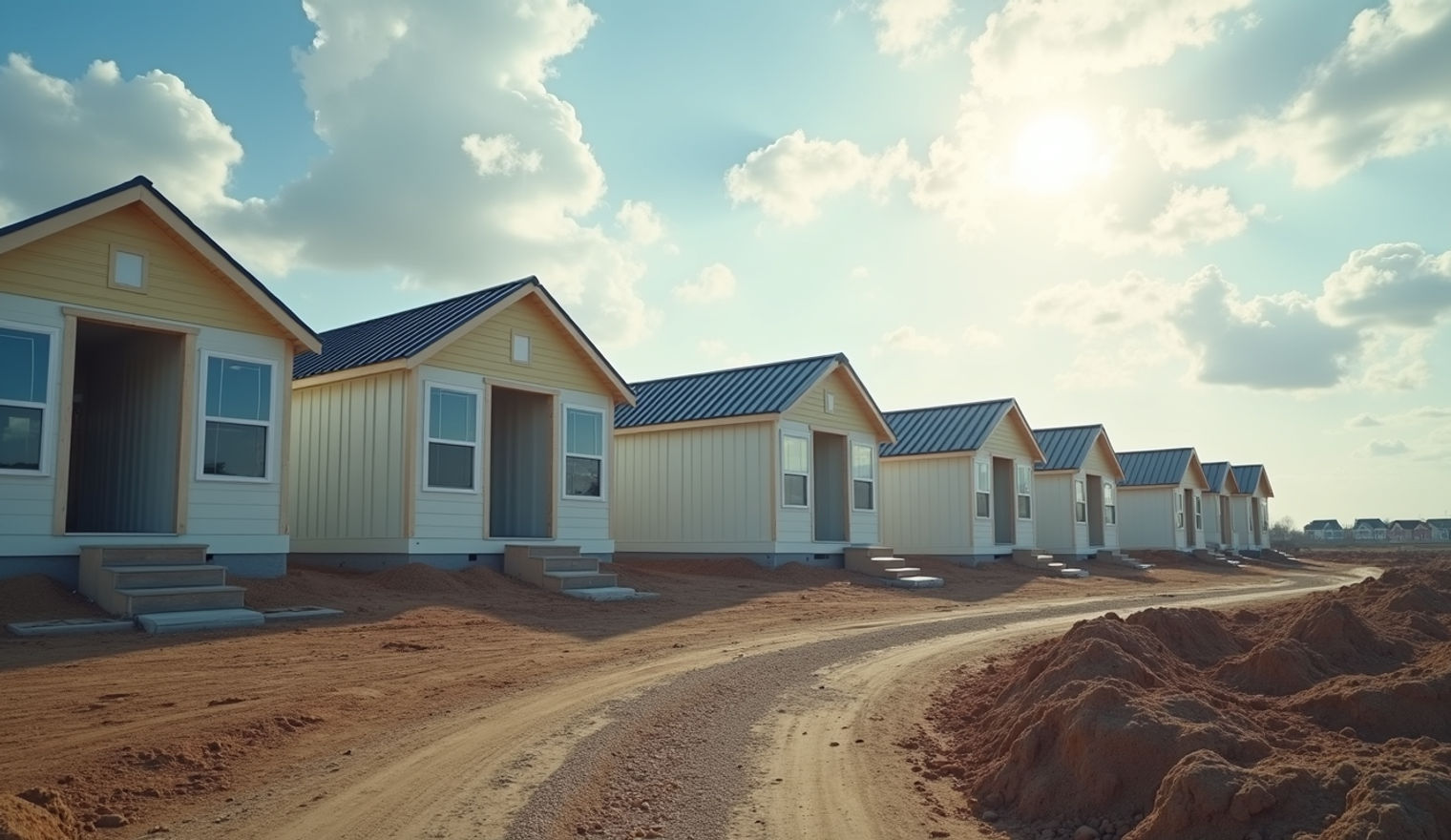
The global demand for affordable housing has never been more urgent. Rapid urbanization, economic disparities, and the increasing frequency of natural disasters have intensified the need for sustainable and cost-effective housing solutions. Addressing this challenge requires innovative approaches that balance affordability, durability, and environmental responsibility. This article delves into various cost-effective housing options, practical strategies, and emerging trends that can transform the landscape of affordable housing worldwide.
Understanding Cost-Effective Housing Options
Cost-effective housing options encompass a range of building techniques, materials, and designs aimed at reducing construction and maintenance expenses without compromising quality or safety. These options are particularly vital for disaster relief efforts and underserved communities, where rapid deployment and sustainability are paramount.
Some of the most promising cost-effective housing options include:
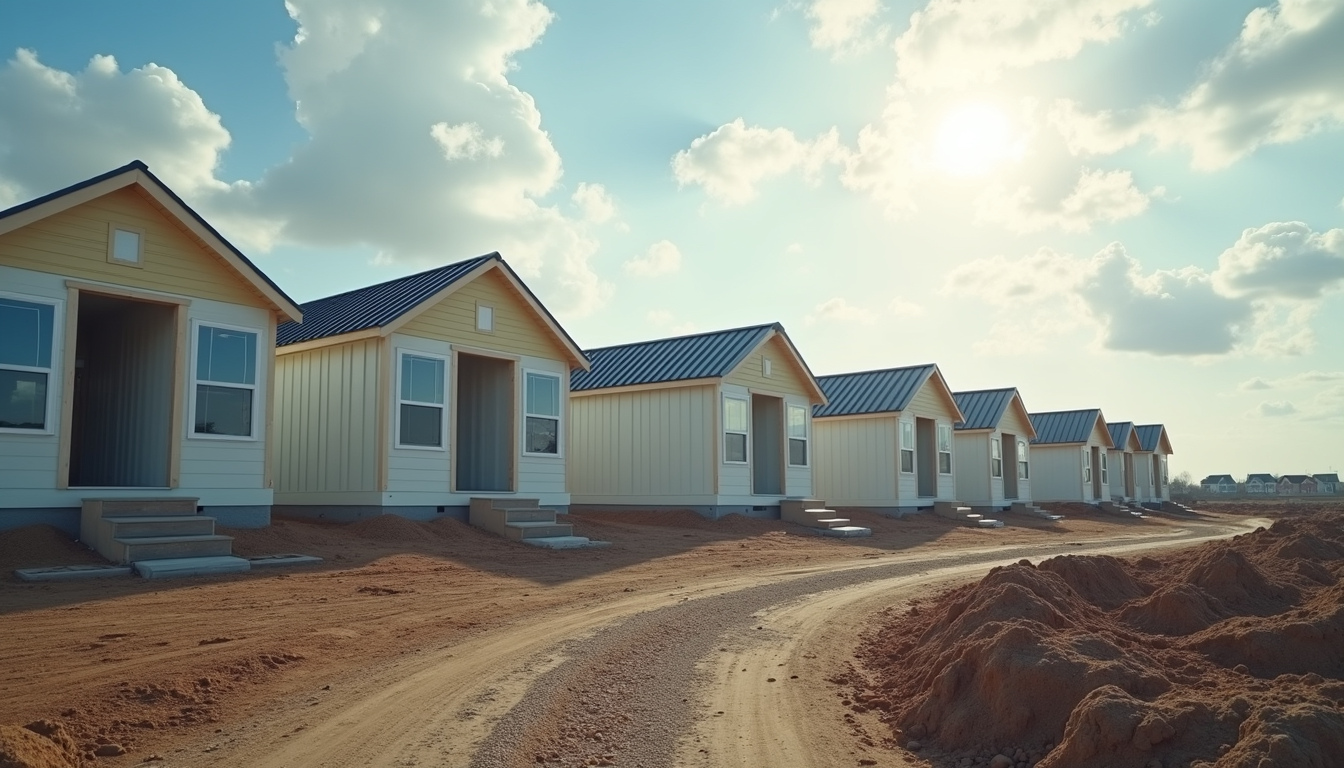
- Modular and Prefabricated Homes: These homes are manufactured off-site in controlled environments, allowing for faster construction times and reduced labor costs. Prefabrication also minimizes material waste and enhances quality control.
- Container Homes: Repurposed shipping containers offer a sturdy and affordable framework for housing. Their modular nature allows for scalable designs and quick assembly.
- Earth-Based Construction: Techniques such as rammed earth, cob, and adobe utilize locally sourced materials, significantly lowering transportation costs and environmental impact.
- 3D-Printed Homes: Emerging technology in 3D printing enables the rapid construction of homes using concrete or composite materials, reducing labor and material costs.
Tiny Homes: Compact living spaces designed to maximize functionality while minimizing footprint and expenses.
Each of these options presents unique advantages and challenges. For instance, modular homes excel in speed and scalability but may face zoning restrictions. Earth-based construction is environmentally friendly but requires skilled labor. Understanding these nuances is essential for selecting the most appropriate solution for specific contexts.
Innovative Strategies to Enhance Affordability and Sustainability
Beyond selecting cost-effective housing options, implementing innovative strategies can further improve affordability and sustainability. These strategies often involve collaboration between governments, NGOs, and private enterprises to optimize resources and expertise.
Leveraging Public-Private Partnerships (PPPs)
Public-private partnerships can mobilize capital, technology, and management skills to accelerate affordable housing projects. Governments can provide land or subsidies, while private entities contribute construction expertise and innovation. This synergy reduces financial risks and enhances project viability.
Incorporating Green Building Practices
Sustainable design elements such as solar panels, rainwater harvesting, and energy-efficient insulation reduce long-term operational costs. Green buildings not only lower utility expenses but also improve occupant health and resilience against climate change.
Utilizing Local Materials and Labor
Sourcing materials locally minimizes transportation costs and supports regional economies. Training local labor forces in modern construction techniques fosters community empowerment and ensures maintenance capabilities.
Implementing Flexible Zoning and Building Codes
Adapting zoning laws and building codes to accommodate alternative housing types like tiny homes or container dwellings can expand affordable housing options. Regulatory flexibility encourages innovation and reduces bureaucratic delays.
Emphasizing Rapid Deployment Technologies
In disaster relief scenarios, speed is critical. Technologies such as prefabrication and 3D printing enable rapid construction of safe shelters, mitigating displacement and health risks.
Where can I live for $500 a month in the USA?
Finding housing for $500 a month in the United States is challenging but not impossible, especially when considering alternative housing models and locations with lower living costs. Rural areas and smaller towns often offer more affordable rental options compared to metropolitan centers.
Affordable Cities and Towns
- Detroit, Michigan: Known for its low cost of living, Detroit offers rental units and shared housing options within the $500 range.
- Cleveland, Ohio: This city has a variety of affordable apartments and subsidized housing programs.
- Buffalo, New York: With revitalization efforts underway, Buffalo provides affordable rentals in certain neighborhoods.
Memphis, Tennessee: Offers low-cost housing options, particularly in suburban areas.
Alternative Housing Options
- Shared Housing: Renting a room in a shared apartment or house can reduce costs significantly.
- Tiny Homes and Mobile Homes: These options often come with lower rent or purchase prices and can be found in designated communities.
Subsidized Housing Programs: Various federal and state programs provide rental assistance to eligible individuals.
Considerations for $500 Housing
While $500 monthly housing is attainable in some areas, it often involves trade-offs such as longer commutes, limited amenities, or older building stock. Evaluating these factors is crucial for sustainable living arrangements.
The Role of Rapid-Build and Sustainable Housing in Disaster Relief
Natural disasters displace millions annually, creating an urgent need for rapid, affordable, and durable housing solutions. Rapid-build housing technologies have revolutionized disaster response by enabling quick shelter provision without sacrificing quality.
Prefabricated and Modular Shelters
Prefabricated shelters can be transported and assembled swiftly on-site, providing immediate relief. Their standardized components ensure consistent quality and ease of repair.
Sustainable Materials and Designs
Using sustainable materials such as bamboo, recycled plastics, or earth blocks reduces environmental impact and enhances resilience. Designs that incorporate natural ventilation and insulation improve comfort in diverse climates.
Community-Centric Approaches
Engaging affected communities in the design and construction process fosters ownership and ensures that housing meets cultural and practical needs. Training locals in construction techniques also supports long-term recovery.
Case Studies
- Post-Hurricane Housing in the Caribbean: Modular homes were deployed within weeks, providing safe and weather-resistant shelters.
Earthquake Relief in Southeast Asia: Earth-based construction methods utilized local materials and labor, reducing costs and promoting sustainability.
Future Directions in Affordable Housing Development
The future of affordable housing lies in integrating technology, policy innovation, and community engagement to create scalable and sustainable solutions.
Advancements in Construction Technology
- Automation and Robotics: Automated bricklaying and robotic assembly can reduce labor costs and construction time.
Smart Homes: Incorporating IoT devices can optimize energy use and maintenance, lowering operational expenses.
Policy and Financing Innovations
- Incentives for Sustainable Development: Tax credits and grants can encourage adoption of green building practices.
Microfinance and Crowdfunding: Alternative financing models enable low-income families to invest in homeownership.
Emphasis on Resilience and Adaptability
Designing homes that can withstand climate change impacts and adapt to evolving needs will be critical. Flexible floor plans and modular expansions offer long-term value.
Global Collaboration
Sharing knowledge and resources across borders accelerates innovation and implementation of affordable housing solutions worldwide.
In summary, addressing the global housing crisis demands a multifaceted approach that combines cost-effective housing options with innovative strategies and technologies. By embracing modular construction, sustainable materials, and collaborative frameworks, it is possible to deliver rapid, affordable, and resilient housing. These efforts not only improve living conditions but also contribute to social stability and economic development.
For those seeking to explore further, affordable housing solutions offer a comprehensive pathway toward a better future for communities worldwide.
Planning a resilient housing project?
Request a Proposal