
Affordable Housing Solutions for Modern Living: Cost-Effective Housing Options
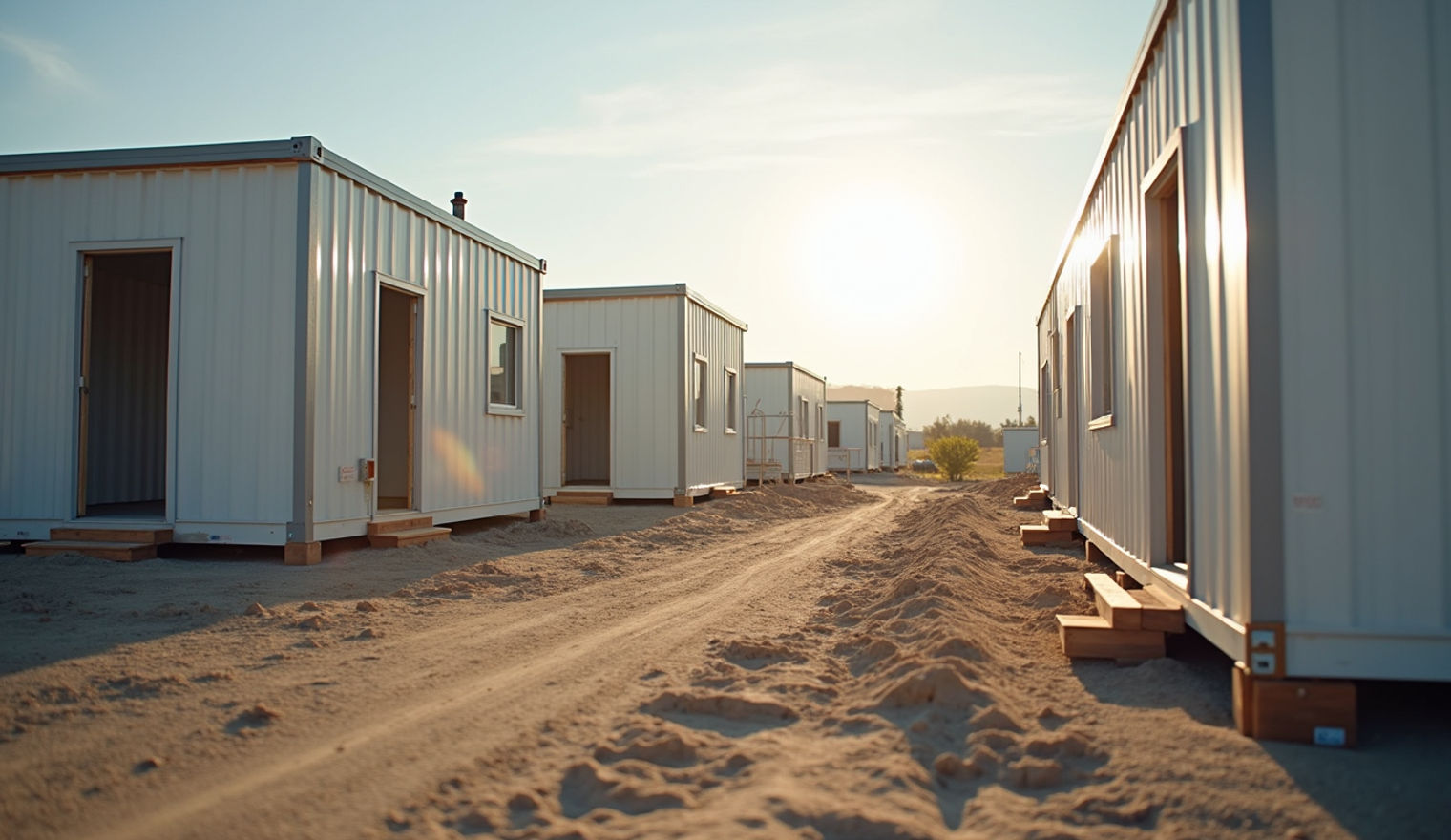
In the face of rapid urbanization, climate change, and economic fluctuations, the demand for cost-effective housing options has never been more critical. Governments, NGOs, and private enterprises are increasingly tasked with addressing the urgent need for sustainable, affordable, and rapidly deployable housing. This challenge is particularly acute in disaster relief scenarios and underserved communities where traditional construction methods often fall short in terms of speed, cost, and environmental impact.
The pursuit of innovative and practical housing models is essential to meet these demands. This article explores various strategies and technologies that can provide scalable, affordable housing solutions for modern living. It also highlights actionable recommendations for stakeholders aiming to implement these solutions effectively.
Exploring Cost-Effective Housing Options
Cost-effective housing options encompass a broad spectrum of approaches designed to reduce construction and maintenance expenses while ensuring livability and sustainability. These options are not only about minimizing upfront costs but also about optimizing long-term value through durability, energy efficiency, and adaptability.
Modular and Prefabricated Housing
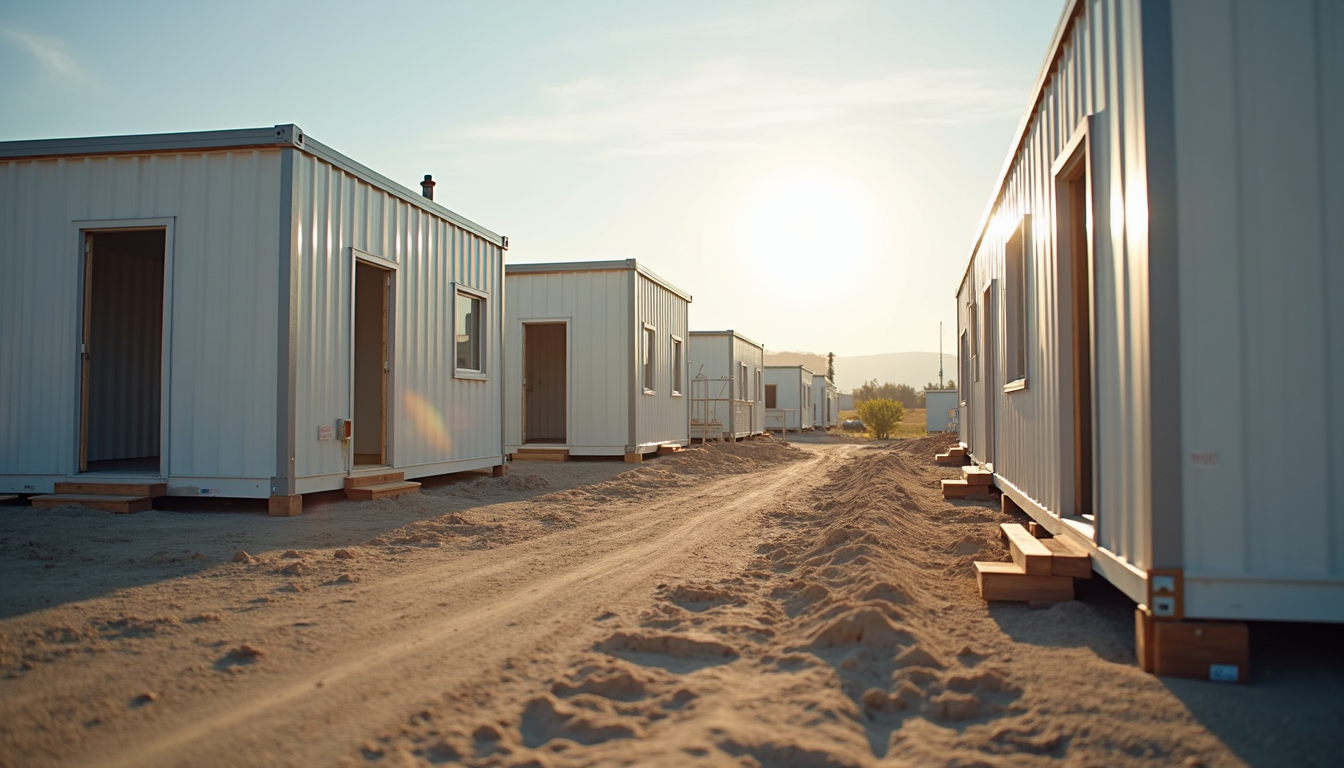
One of the most promising avenues is modular and prefabricated housing. These methods involve manufacturing building components off-site in controlled factory environments, which are then transported and assembled on-site. This approach offers several advantages:
- Reduced construction time: Factory production allows simultaneous site preparation and building fabrication.
- Lower labor costs: Automation and streamlined processes reduce the need for skilled labor on-site.
- Quality control: Factory settings enable consistent quality and minimize material waste.
Flexibility: Modules can be customized and expanded as needed.
For example, modular homes can be rapidly deployed in disaster-stricken areas, providing immediate shelter while permanent solutions are developed. Additionally, prefabricated units can be designed to meet local climate conditions, improving energy efficiency and occupant comfort.
Innovative Materials and Construction Techniques
Advancements in materials science have introduced alternatives that are both affordable and sustainable. Some notable examples include:
- Cross-laminated timber (CLT): A renewable material that offers strength comparable to concrete and steel but with a lower carbon footprint.
- Recycled and upcycled materials: Utilizing waste products such as plastic, glass, and industrial byproducts reduces environmental impact and material costs.
3D printing: This technology enables the rapid construction of complex structures with minimal labor and material waste.
These materials and techniques contribute to reducing the overall cost of housing while promoting environmental stewardship.
Land Use Optimization and Zoning Reforms
Cost-effective housing is not solely about construction methods; it also involves strategic land use and regulatory frameworks. Efficient land use can significantly reduce housing costs by maximizing available space and infrastructure.
- Higher density developments: Encouraging multi-family units and mixed-use buildings can lower per-unit land costs.
- Adaptive reuse: Converting underutilized commercial or industrial buildings into residential spaces.
Zoning reforms: Relaxing restrictive zoning laws to allow for smaller lot sizes, accessory dwelling units (ADUs), and innovative housing types.
These measures can unlock new housing opportunities in urban and suburban areas, making affordable living more accessible.
Where can I live for $500 a month in the USA?
Finding housing for $500 a month in the United States is challenging but not impossible, especially when considering non-traditional or subsidized options. Several regions and strategies can help achieve this budget:
- Rural and smaller cities: Areas in states like Ohio, Indiana, and Arkansas often have lower rental costs due to lower demand and cost of living.
- Shared housing and co-living: Renting a room in a shared apartment or house can reduce monthly expenses significantly.
- Subsidized housing programs: Government initiatives such as Section 8 vouchers provide rental assistance to eligible low-income individuals.
Tiny homes and mobile homes: These alternatives offer affordable ownership or rental options with lower utility and maintenance costs.
It is important to consider factors such as transportation, employment opportunities, and access to services when evaluating these options. While $500 per month may limit choices, combining innovative housing models with supportive policies can expand affordability.
Integrating Sustainability into Affordable Housing
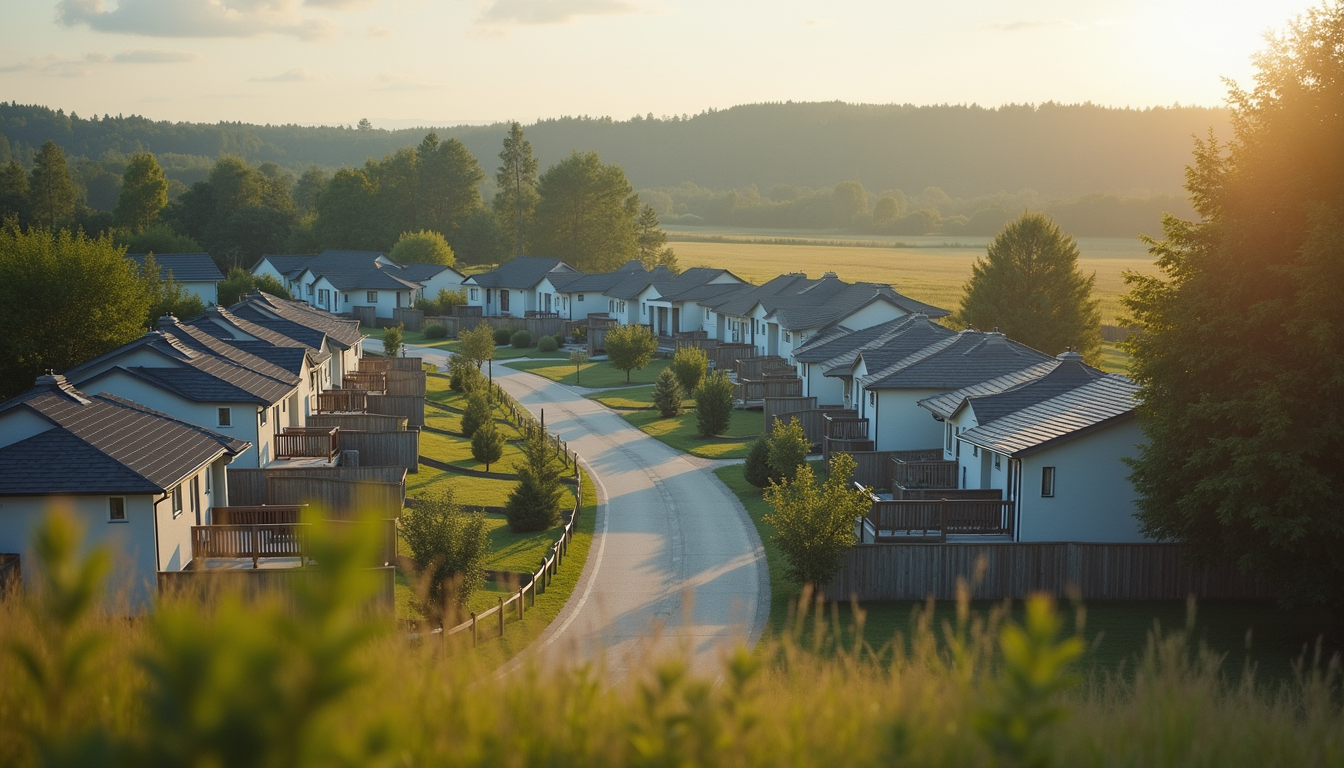
Sustainability is a critical component of modern affordable housing. Incorporating energy-efficient designs and renewable energy sources reduces operational costs and environmental impact, making housing more affordable over time.
Energy Efficiency Measures
- Insulation and airtight construction: Minimizes heating and cooling demands.
- Energy-efficient windows and appliances: Reduce electricity consumption.
Passive solar design: Utilizes natural light and heat to lower energy needs.
Renewable Energy Integration
- Solar panels: Can be installed on rooftops to generate electricity.
- Rainwater harvesting and greywater recycling: Reduce water bills and environmental strain.
Green roofs and landscaping: Improve insulation and manage stormwater.
These features not only lower utility costs but also enhance resilience against climate-related disruptions.
Financing and Policy Frameworks to Support Affordable Housing
Effective financing and supportive policies are essential to scale affordable housing solutions. Stakeholders must collaborate to create environments conducive to investment and innovation.
Public-Private Partnerships
Collaborations between governments, NGOs, and private enterprises can pool resources and expertise. These partnerships can:
- Facilitate land acquisition and infrastructure development.
- Provide subsidies or tax incentives to reduce costs.
Support pilot projects and technology adoption.
Innovative Financing Models
- Social impact bonds: Investors fund projects with returns linked to social outcomes.
- Microfinance and community lending: Enable low-income households to access credit.
Crowdfunding platforms: Mobilize community support and capital.
Regulatory Support
- Streamlining permitting processes.
- Implementing inclusionary zoning policies.
Establishing housing trust funds.
These frameworks encourage the development and maintenance of affordable housing stock.
Future Directions in Affordable Housing Development
The landscape of affordable housing is evolving rapidly, driven by technological innovation, demographic shifts, and environmental imperatives. Future developments are likely to emphasize:
- Smart housing technologies: Integrating IoT devices for energy management and security.
- Circular economy principles: Designing homes for disassembly and material reuse.
Community-centric designs: Fostering social cohesion and shared amenities.
By embracing these trends, stakeholders can create resilient, adaptable, and inclusive housing environments.
In summary, addressing the global need for affordable housing requires a multifaceted approach that combines innovative construction methods, sustainable design, strategic land use, and supportive financial and policy frameworks. By leveraging these affordable housing solutions, it is possible to provide dignified, cost-effective homes that meet the demands of modern living and disaster relief efforts alike.
Planning a resilient housing project?
Request a Proposal