
Assemble Your Dream Home with Affordable Home Building Kits

Constructing a home has traditionally been a complex, time-consuming, and costly endeavor. However, the advent of affordable home building kits has revolutionized this process, offering a streamlined, cost-effective, and sustainable alternative. These kits provide pre-designed components and materials that enable rapid assembly, making them particularly valuable for governments, NGOs, and private enterprises focused on disaster relief and affordable housing solutions. This article explores the benefits, practical considerations, and strategic applications of these kits in creating durable, efficient homes.
Understanding Affordable Home Building Kits
Affordable home building kits are comprehensive packages that include all necessary materials, blueprints, and instructions to construct a home. These kits are engineered for ease of assembly, often requiring minimal specialized labor or equipment. The components are pre-cut, pre-measured, and sometimes pre-fabricated, which significantly reduces construction time and waste.
The primary advantage of these kits lies in their cost efficiency and speed of deployment. For organizations tasked with providing housing in emergency or underserved contexts, these kits offer a scalable solution that can be rapidly mobilized. Additionally, many kits incorporate sustainable materials and energy-efficient designs, aligning with global goals for environmental responsibility.
Key Features of Affordable Home Building Kits
- Pre-fabricated components: Walls, roofs, and floors are often manufactured off-site.
- Modular design: Allows customization and scalability.
- Sustainability: Use of eco-friendly materials and energy-saving features.
- Ease of assembly: Detailed instructions reduce the need for skilled labor.
Cost-effectiveness: Bulk production and simplified logistics lower overall expenses.
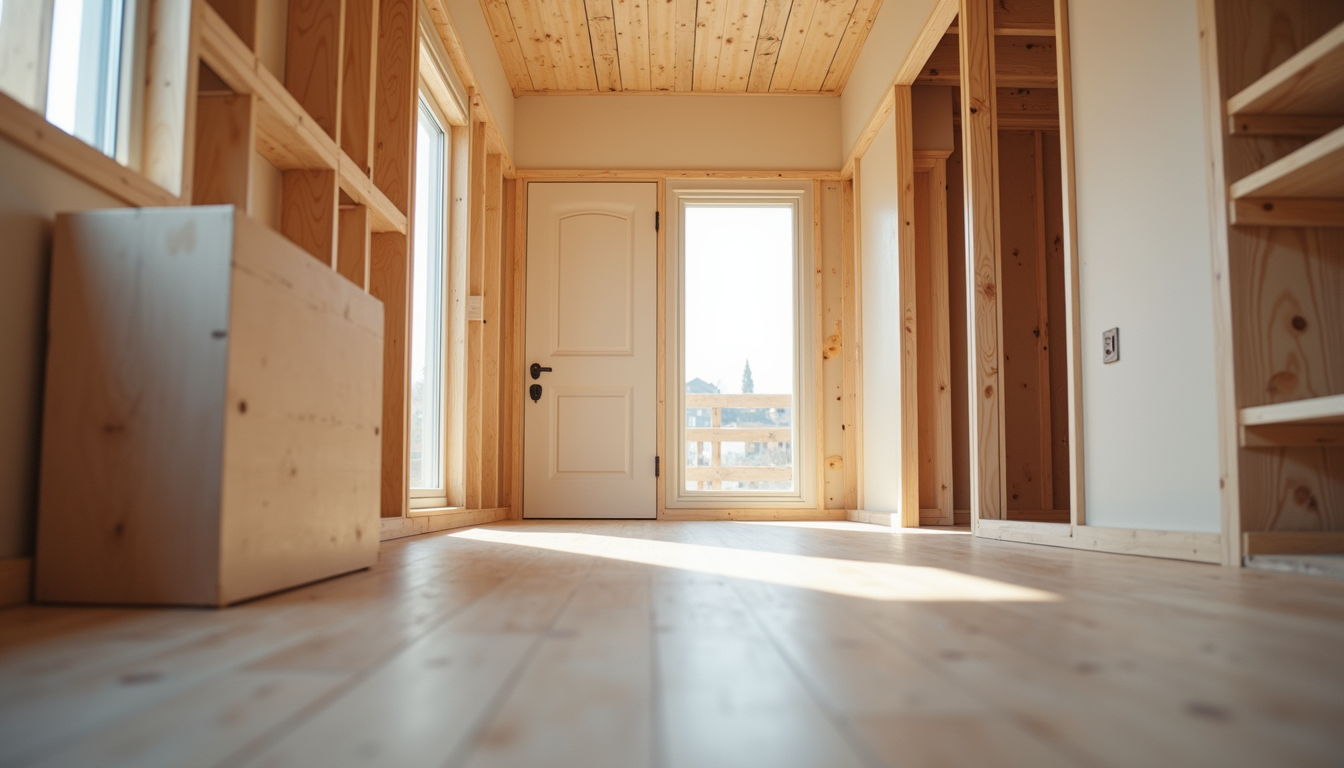
Practical Applications for Disaster Relief and Affordable Housing
In disaster-stricken areas, the need for immediate shelter is critical. Affordable home building kits provide a rapid response mechanism that can be deployed within days or weeks, rather than months or years. Their modular nature allows for flexibility in design, accommodating various climatic and cultural requirements.
For NGOs and governments, these kits facilitate:
- Rapid deployment: Quick assembly reduces displacement time.
- Scalability: Kits can be adapted for single-family homes or larger community projects.
- Durability: Engineered to withstand local environmental challenges.
Cost control: Predictable budgeting through fixed kit prices.
Private enterprises engaged in social responsibility initiatives can also leverage these kits to support community development projects, enhancing their impact while managing costs effectively.
Selecting the Right Kit for Your Project
Choosing an appropriate affordable home building kit requires careful consideration of several factors:
- Site Conditions: Soil type, topography, and climate influence design choices.
- Local Regulations: Compliance with building codes and zoning laws is essential.
- Material Preferences: Availability and sustainability of materials.
- Assembly Expertise: Level of labor skill available on-site.
Budget Constraints: Balancing cost with quality and durability.
Engaging with suppliers who offer customizable options and technical support can mitigate risks and ensure project success. Additionally, reviewing case studies and testimonials from similar projects can provide valuable insights.
Streamlining Construction with DIY House Kits
One of the most innovative aspects of affordable home building kits is the availability of diy house kits for sale. These kits empower organizations to take control of the construction process, reducing reliance on external contractors and accelerating timelines.
DIY kits typically include:
- Step-by-step assembly manuals.
- Pre-cut framing and paneling.
- Integrated electrical and plumbing components.
Insulation and finishing materials.
By adopting a DIY approach, teams can:
- Enhance project control: Direct oversight of construction quality.
- Reduce labor costs: Utilize volunteer or in-house labor.
- Increase flexibility: Modify designs on-site as needed.
Promote community involvement: Engage beneficiaries in building their own homes.
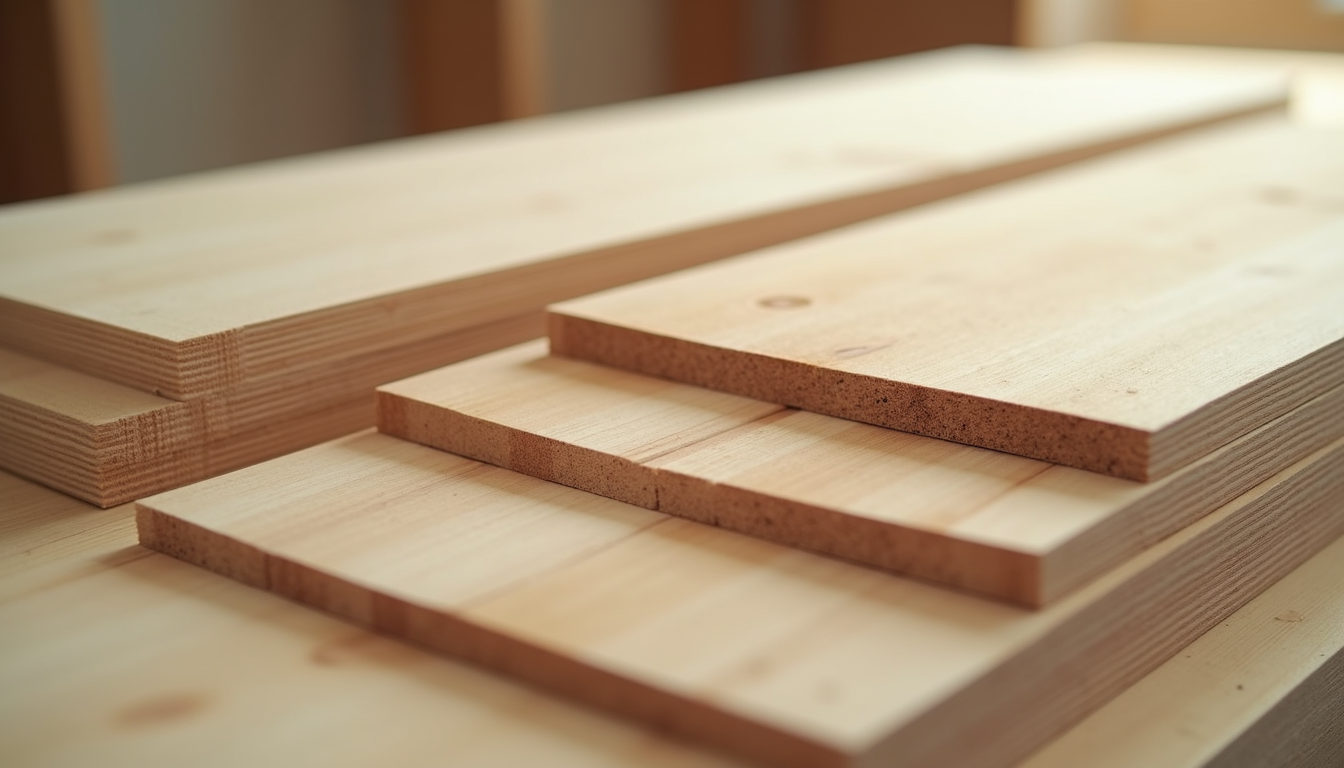
Ensuring Sustainability and Longevity
Sustainability is a critical consideration in affordable housing projects. Many affordable home building kits incorporate features that reduce environmental impact and improve energy efficiency, such as:
- Insulated panels: Enhance thermal performance.
- Solar-ready designs: Facilitate renewable energy integration.
- Water-efficient fixtures: Minimize resource consumption.
Durable materials: Extend the lifespan of the structure.
Implementing these features not only benefits the environment but also reduces long-term operational costs for occupants, making homes more affordable over time.
Future Trends in Affordable Home Building Kits
The industry is evolving rapidly, with technological advancements driving innovation. Emerging trends include:
- 3D printing of building components: Reduces waste and allows complex designs.
- Smart home integration: Enhances security and energy management.
- Advanced materials: Lightweight, stronger, and more sustainable options.
Global supply chain optimization: Ensures timely delivery and cost reduction.
Organizations investing in these technologies will be better positioned to meet the growing demand for rapid, affordable, and sustainable housing solutions worldwide.
Strategic Considerations for Implementation
Successful deployment of affordable home building kits requires strategic planning:
- Partnerships: Collaborate with local authorities, suppliers, and community groups.
- Training: Provide assembly training to local labor forces.
- Logistics: Plan for transportation and storage of kit components.
Monitoring and Evaluation: Track project outcomes to inform future initiatives.
By adopting a holistic approach, organizations can maximize the impact of their housing programs and contribute to long-term community resilience.
Affordable home building kits represent a transformative approach to housing construction, particularly in contexts demanding rapid, cost-effective, and sustainable solutions. By leveraging these kits, organizations can efficiently address urgent shelter needs while promoting environmental stewardship and community empowerment. The integration of DIY kits further enhances flexibility and control, enabling tailored responses to diverse challenges. As the sector continues to innovate, these solutions will play an increasingly vital role in shaping the future of affordable housing worldwide.
Planning a resilient housing project?
Request a Proposal