
Building Your Dream Home with Affordable DIY Home-Building Kits

Constructing a home has traditionally been a complex, time-consuming, and costly endeavor. However, the advent of affordable DIY home-building kits has revolutionized this process, offering a streamlined, cost-effective, and sustainable alternative. These kits provide pre-designed, pre-fabricated components that simplify construction, making it accessible to a broader range of stakeholders, including governments, NGOs, and private enterprises focused on disaster relief and affordable housing. This article explores the practicalities, benefits, and strategic considerations involved in building a dream home using these innovative kits.
Understanding Affordable DIY Home-Building Kits
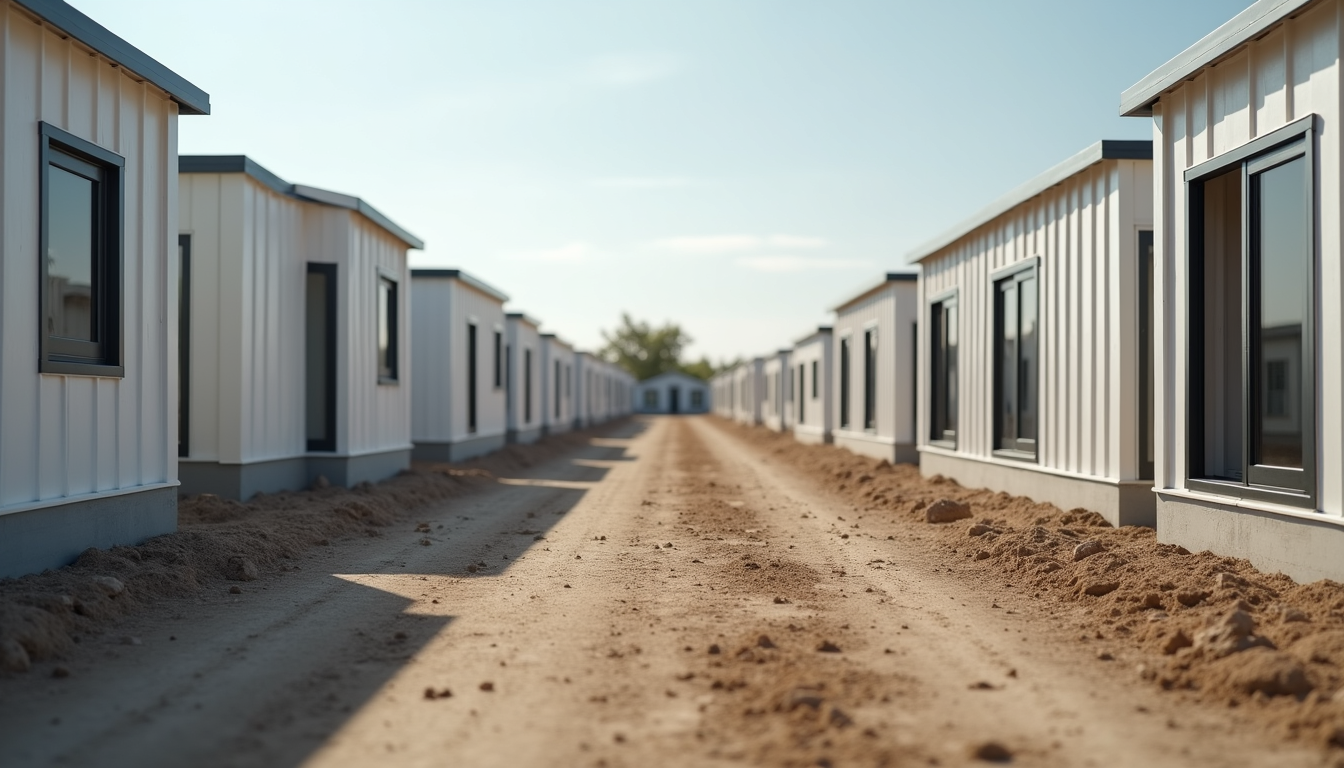
Affordable DIY home-building kits are comprehensive packages that include all necessary materials, instructions, and sometimes tools required to assemble a home. These kits are engineered to optimize efficiency, reduce waste, and minimize the need for specialized labor. They typically feature modular designs that can be customized to meet specific needs and local building codes.
The appeal of these kits lies in their ability to deliver rapid construction without compromising quality. For example, a typical kit might include pre-cut lumber, insulated panels, roofing materials, and hardware, all precisely measured and ready for assembly. This approach significantly reduces the time from project inception to completion, which is critical in disaster relief scenarios where rapid housing solutions are paramount.
Key Advantages of Affordable DIY Home-Building Kits
The adoption of affordable DIY home-building kits offers several strategic advantages:
- Cost Efficiency: By standardizing components and reducing labor requirements, these kits lower overall construction costs. This is particularly beneficial for large-scale housing projects funded by governments or NGOs.
- Speed of Deployment: Prefabricated elements allow for faster assembly compared to traditional construction methods, enabling quicker response times in emergency housing situations.
- Sustainability: Many kits incorporate eco-friendly materials and energy-efficient designs, aligning with global sustainability goals.
- Customization and Scalability: Kits can be tailored to different sizes and configurations, accommodating diverse community needs and geographic conditions.
Quality Control: Factory production of components ensures consistent quality and adherence to safety standards.
These benefits collectively support the mission of organizations aiming to provide durable, affordable housing solutions efficiently and responsibly.
Selecting the Right DIY Home-Building Kit
Choosing an appropriate kit requires careful evaluation of several factors:
- Project Scope and Scale: Determine the number of units needed and the size of each dwelling. Kits vary from small single-family homes to multi-unit complexes.
- Local Climate and Environment: Select materials and designs suited to the regional climate to ensure durability and comfort.
- Regulatory Compliance: Verify that the kit meets local building codes and zoning regulations.
- Logistics and Supply Chain: Assess the availability of kits and the feasibility of transporting components to the construction site.
Technical Support and Training: Ensure that the supplier provides comprehensive assembly instructions and, if necessary, on-site training for local workers.
By addressing these considerations, organizations can optimize the impact and sustainability of their housing projects.
Practical Steps for Building with DIY Kits
Implementing a DIY home-building kit project involves a series of methodical steps:
- Site Preparation: Clear and level the land, ensuring proper drainage and foundation stability.
- Foundation Installation: Depending on the kit design, this may involve concrete slabs, piers, or other foundation types.
- Component Assembly: Follow the detailed instructions to assemble walls, roofs, and interiors. This phase benefits from skilled supervision to maintain quality.
- Utility Integration: Install electrical, plumbing, and HVAC systems as specified.
Finishing Touches: Apply exterior finishes, paint, and landscaping to complete the project.
Throughout the process, maintaining clear communication among stakeholders and adhering to timelines is essential for success.
Leveraging DIY Kits for Disaster Relief and Affordable Housing
The strategic deployment of DIY home-building kits can transform disaster relief efforts and affordable housing initiatives. Their rapid assembly capabilities enable swift shelter provision following natural disasters, reducing displacement and improving community resilience. Additionally, the affordability and sustainability of these kits align with the goals of NGOs and governments seeking long-term housing solutions for underserved populations.
For instance, in regions prone to hurricanes or earthquakes, pre-positioned kits can be dispatched immediately after an event, facilitating quick reconstruction. Moreover, the modular nature of these homes allows for incremental expansion as community needs evolve.
Organizations interested in exploring these solutions can find a variety of diy house kits for sale that cater to different requirements and budgets, ensuring flexibility and scalability.
Future Outlook and Strategic Implications
The integration of affordable DIY home-building kits into housing strategies represents a forward-thinking approach to global housing challenges. As technology advances, these kits will likely incorporate smart home features, enhanced energy efficiency, and even greater customization options.
For entities committed to sustainable development and rapid response, investing in these kits offers a competitive advantage. It enables the delivery of high-quality housing at scale, fostering social stability and economic growth in vulnerable communities.
In conclusion, embracing affordable DIY home-building kits is not merely a construction choice but a strategic imperative for those dedicated to addressing housing shortages and disaster recovery efficiently and sustainably.
Planning a resilient housing project?
Request a Proposal