
Building Your Own Home: The Rise of Affordable Home Kits

The concept of building one’s own home has evolved significantly over recent years. What was once a daunting and time-consuming endeavor has been transformed by the advent of affordable home kits. These kits offer a streamlined, cost-effective, and sustainable approach to housing construction, particularly suited for rapid deployment in disaster relief and underserved communities. As a professional in the field, I have observed how these solutions are reshaping the housing landscape, providing governments, NGOs, and private enterprises with viable options to address urgent housing needs.
The Emergence of Affordable Home Kits in Modern Construction
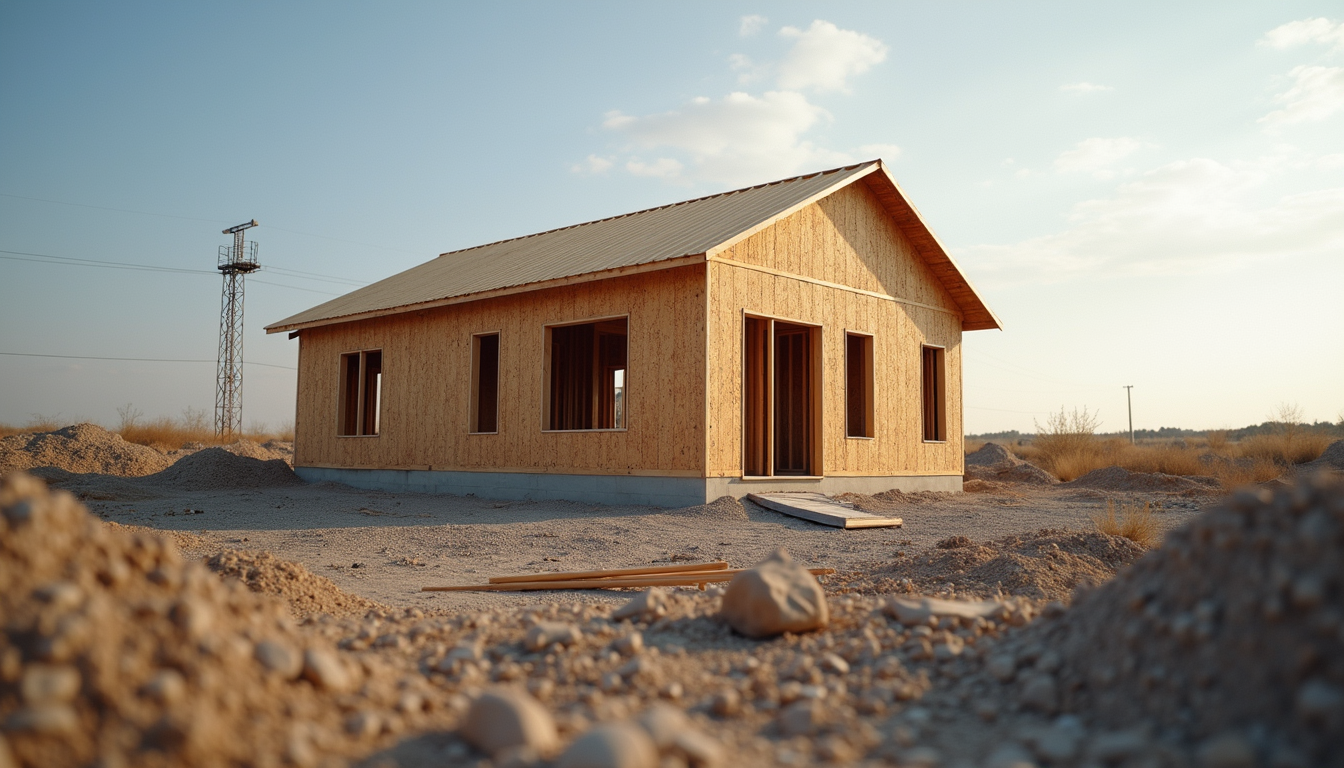
Affordable home kits represent a paradigm shift in residential construction. These kits typically include pre-cut materials, detailed instructions, and all necessary components to assemble a home efficiently. The modular nature of these kits allows for customization while maintaining cost control and reducing waste.
One of the primary advantages of affordable home kits is their ability to accelerate the building process. Traditional construction can take months or even years, but with these kits, homes can be erected in a fraction of the time. This speed is crucial in disaster relief scenarios where displaced populations require immediate shelter.
Moreover, these kits often incorporate sustainable materials and energy-efficient designs. This aligns with global efforts to reduce the environmental footprint of new housing developments. For example, many kits use recycled steel frames, insulated panels, and solar-ready roofing options, ensuring that the homes are both durable and eco-friendly.
Key Features and Benefits of Affordable Home Kits
Affordable home kits offer several distinct features that make them attractive for large-scale housing projects:
- Cost Efficiency: By standardizing components and reducing labor requirements, these kits significantly lower overall construction costs.
- Rapid Deployment: Prefabricated elements enable quick assembly, which is essential for emergency housing.
- Customization: Modular designs allow for various floor plans and finishes to suit different climates and cultural preferences.
- Sustainability: Use of eco-friendly materials and energy-efficient designs supports long-term environmental goals.
Durability: Engineered to withstand harsh weather conditions, these homes provide safe and reliable shelter.
For instance, a government agency tasked with rebuilding after a natural disaster can procure multiple kits and deploy them rapidly across affected areas. The kits’ modularity also means that homes can be expanded or modified as community needs evolve.
Practical Considerations When Selecting DIY House Kits
Selecting the right kit requires careful evaluation of several factors to ensure the project’s success:
- Site Conditions: Soil type, climate, and topography influence the choice of materials and design.
- Regulatory Compliance: Kits must meet local building codes and standards, which vary by region.
- Logistics and Transportation: The size and weight of kit components affect shipping and handling costs.
- Skill Level of Builders: While kits are designed for ease of assembly, some require professional assistance.
After-Sales Support: Reliable customer service and technical support are critical for troubleshooting during construction.
In my experience, engaging with suppliers who provide comprehensive documentation and training resources can mitigate many common challenges. Additionally, integrating local labor not only reduces costs but also fosters community involvement and skill development.
The Role of DIY House Kits in Disaster Relief and Affordable Housing
The utility of DIY house kits extends beyond individual homebuilding projects. They are increasingly recognized as strategic assets in disaster relief and affordable housing initiatives. Governments and NGOs can leverage these kits to address urgent shelter needs while maintaining quality and sustainability standards.
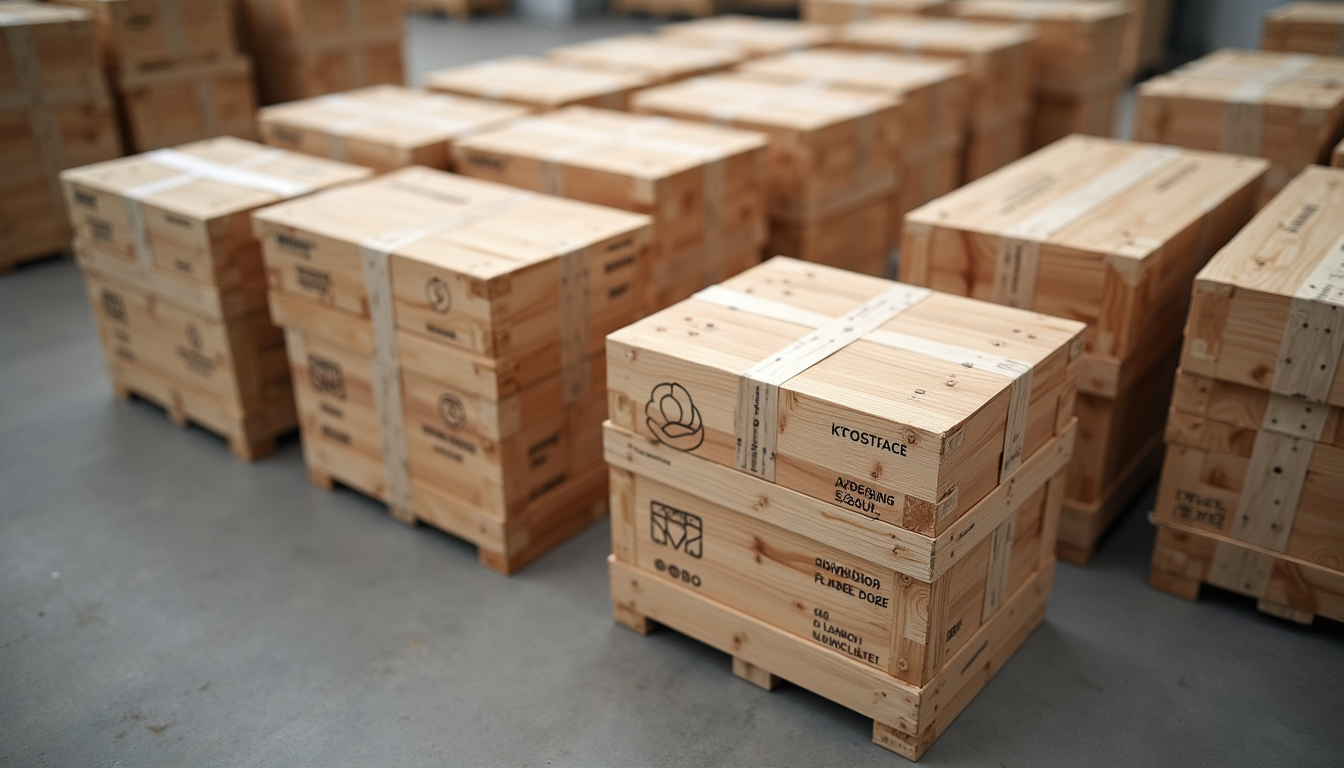
For example, after a major earthquake or flood, rapid housing solutions are paramount. DIY house kits can be shipped in bulk and assembled on-site with minimal infrastructure. This approach reduces dependency on traditional construction supply chains, which may be disrupted during crises.
Furthermore, these kits support long-term community resilience. By providing durable, energy-efficient homes, they reduce future vulnerability to environmental hazards. The affordability factor also enables wider access to safe housing, contributing to social stability and economic development.
Organizations seeking to procure such solutions should consider partnering with providers who specialize in scalable, sustainable housing models. This ensures alignment with broader humanitarian and development goals.
Expanding Access to DIY House Kits for Sale
The market for DIY house kits is expanding rapidly, with numerous options available to meet diverse needs. For entities interested in acquiring these solutions, it is essential to explore reputable sources offering comprehensive packages that include design, materials, and support services.
One can find a variety of diy house kits for sale tailored to different budgets and specifications. These kits range from compact, single-room units to multi-bedroom family homes. When evaluating options, attention should be paid to:
- Material quality and certifications
- Assembly complexity and required tools
- Warranty and maintenance provisions
Environmental impact and energy efficiency ratings
By carefully selecting kits that align with project objectives, stakeholders can maximize the benefits of this innovative housing approach.
Future Prospects and Innovations in DIY Home Building
Looking ahead, the DIY home kit industry is poised for significant advancements. Emerging technologies such as 3D printing, smart home integration, and advanced insulation materials promise to enhance the functionality and sustainability of these homes.
Moreover, increased collaboration between manufacturers, governments, and NGOs will likely drive standardization and cost reductions. This synergy can facilitate the mass production and distribution of affordable housing solutions on a global scale.
As these trends unfold, the potential to address housing shortages and improve living conditions in vulnerable communities will grow substantially. The continued evolution of affordable home kits represents a critical component in the global effort to provide safe, sustainable, and accessible housing for all.
The rise of affordable home kits marks a transformative moment in the construction industry. By combining efficiency, sustainability, and adaptability, these kits offer a practical solution to some of the most pressing housing challenges faced worldwide. For organizations committed to rapid, reliable, and responsible housing development, embracing this approach is both a strategic imperative and a humanitarian opportunity.
Planning a resilient housing project?
Request a Proposal