
Discover Budget-Friendly Housing Options for Modern Living

In the evolving landscape of urban development and disaster relief, the demand for budget-friendly housing options has never been more critical. Rapid urbanization, climate change, and economic disparities have intensified the need for innovative, cost-effective housing solutions that can be deployed swiftly and sustainably. This article explores practical approaches to affordable housing, emphasizing scalable models that governments, NGOs, and private enterprises can adopt to address housing shortages and provide safe, dignified living spaces.
Exploring Budget-Friendly Housing Options
The challenge of providing affordable housing is multifaceted, involving financial constraints, land availability, construction speed, and sustainability. To meet these challenges, several budget-friendly housing options have emerged, each with unique advantages and limitations.
Modular and Prefabricated Housing
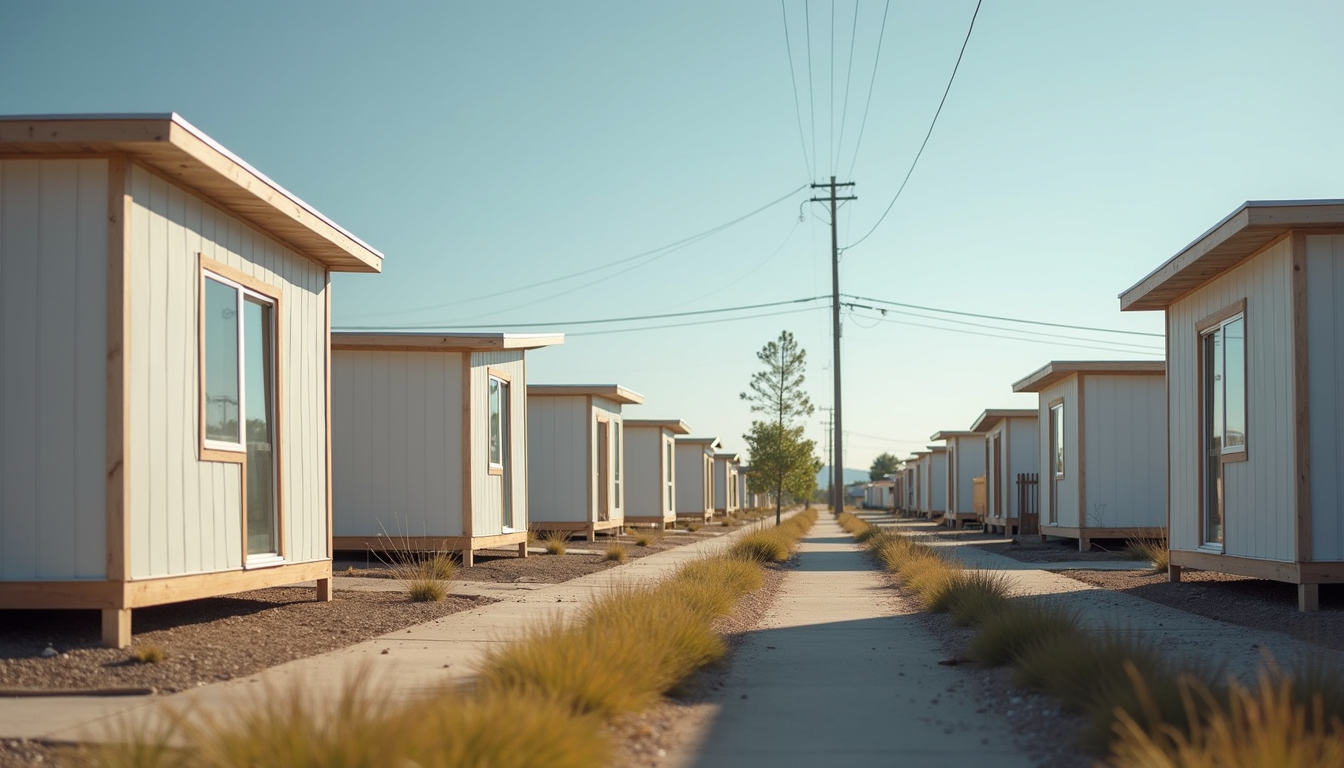
Modular and prefabricated homes are constructed off-site in controlled factory environments and then transported to the final location for assembly. This method significantly reduces construction time and labor costs while maintaining quality standards. Prefabricated units can be customized to meet specific needs, including disaster-resistant features and energy efficiency.
- Advantages: Speed of construction, cost efficiency, reduced waste, and adaptability.
Applications: Disaster relief housing, temporary shelters, and permanent affordable homes.
Tiny Homes and Micro-Apartments
Tiny homes and micro-apartments maximize limited space by focusing on essential living areas without unnecessary square footage. These units are ideal for urban environments where land is scarce and expensive.
- Advantages: Lower construction and maintenance costs, reduced utility expenses, and minimal environmental footprint.
Applications: Urban infill projects, transitional housing, and affordable rental units.
Adaptive Reuse of Existing Structures
Repurposing underutilized buildings such as warehouses, schools, or office spaces into residential units is a sustainable approach to affordable housing. This method leverages existing infrastructure, reducing the need for new construction materials and minimizing environmental impact.
- Advantages: Cost savings on land and materials, preservation of historical architecture, and revitalization of neighborhoods.
Applications: Urban renewal projects and mixed-use developments.
Innovative Strategies for Cost Reduction
Reducing the cost of housing construction and maintenance is essential to expanding access to affordable homes. Several strategies can be implemented to achieve this goal without compromising quality or safety.
Use of Sustainable and Local Materials
Incorporating sustainable materials such as bamboo, recycled steel, and reclaimed wood can lower costs and environmental impact. Utilizing locally sourced materials also reduces transportation expenses and supports local economies.
Streamlined Regulatory Processes
Simplifying zoning laws, building codes, and permitting procedures can accelerate project timelines and reduce administrative costs. Governments and regulatory bodies play a crucial role in facilitating these reforms to encourage affordable housing development.
Public-Private Partnerships
Collaborations between governments, NGOs, and private enterprises can pool resources, expertise, and funding to scale affordable housing projects. These partnerships enable risk-sharing and innovation, leading to more effective solutions.
Where can I live for $500 a month in the USA?
Finding housing for $500 a month in the United States is challenging but possible in certain regions, particularly in rural areas or smaller cities with lower living costs. Examples include:
- Midwest and Southern States: Cities like Cleveland, Ohio; Memphis, Tennessee; and Wichita, Kansas offer rental options within this budget, often in older or less central neighborhoods.
- Shared Housing and Co-Living Spaces: Renting a room in a shared apartment or house can reduce costs significantly, making $500 a month feasible in some urban areas.
Subsidized Housing Programs: Government-assisted housing and vouchers can help individuals access affordable units within this price range.
It is important to consider factors such as transportation, employment opportunities, and community services when evaluating these options.
Implementing Scalable Housing Solutions for Disaster Relief
Rapid response to housing needs following natural disasters requires scalable, efficient solutions that can be deployed quickly. Prefabricated and modular housing systems are particularly suited for this purpose.
Rapid-Build Technologies
Innovations such as 3D printing and panelized construction enable the rapid assembly of durable homes. These technologies reduce labor requirements and material waste, allowing for faster recovery efforts.
Sustainable Design Principles
Incorporating energy-efficient systems, water conservation measures, and resilient construction materials ensures that temporary housing can transition into permanent, sustainable communities.
Community Engagement and Training
Involving local populations in the construction and maintenance of housing fosters ownership and ensures that solutions are culturally appropriate and sustainable.
Future Directions in Affordable Housing Development
The future of affordable housing lies in integrating technology, sustainability, and community-centric approaches. Emerging trends include:
- Smart Housing: Incorporating IoT devices and automation to improve energy management and security.
- Green Building Certifications: Adopting standards such as LEED to promote environmental responsibility.
Inclusive Urban Planning: Designing mixed-income neighborhoods that promote social equity and access to amenities.
By embracing these innovations, stakeholders can create resilient, affordable housing that meets the needs of diverse populations.
Advancing Global Access to Affordable Housing
As a global provider of rapid-build, sustainable, and affordable housing solutions, J. L. Filbey & Sons Capital Partners is committed to expanding its reach to governments, NGOs, and private enterprises worldwide. Through strategic partnerships and continuous innovation, the company aims to address the pressing housing challenges faced by underserved communities and disaster-affected populations.
The integration of cutting-edge construction techniques, sustainable materials, and community-focused design principles positions these efforts at the forefront of affordable housing development. Stakeholders are encouraged to explore collaborative opportunities to leverage these advancements and contribute to a future where safe, dignified housing is accessible to all.
For more information on affordable housing solutions, please visit the official website.
This comprehensive overview underscores the importance of adopting diverse, scalable, and sustainable approaches to meet the growing demand for affordable housing. By prioritizing innovation and collaboration, it is possible to create lasting impact and improve living conditions for millions worldwide.
Planning a resilient housing project?
Request a Proposal