
Discover Budget-Friendly Housing Options for Modern Needs

In today’s rapidly evolving world, the demand for budget-friendly housing options has never been more critical. Governments, NGOs, and private enterprises face mounting pressure to provide rapid, sustainable, and cost-effective housing solutions, especially in the wake of natural disasters and for underserved communities. The challenge lies in balancing affordability with quality, sustainability, and speed of deployment. This article explores innovative approaches and practical strategies to meet these modern housing needs efficiently.
Understanding Budget-Friendly Housing Options
Budget-friendly housing options encompass a variety of construction methods, materials, and designs aimed at reducing costs without compromising safety or comfort. These options are essential for addressing housing shortages in disaster-stricken areas and economically disadvantaged regions.
Some of the most effective budget-friendly housing options include:
- Modular and Prefabricated Homes: These homes are built off-site in controlled environments, reducing construction time and waste. They can be rapidly assembled on location, making them ideal for emergency housing.
- Container Homes: Repurposed shipping containers offer a durable and cost-effective alternative. Their modular nature allows for scalable designs.
- Tiny Homes: Compact living spaces that maximize efficiency and minimize material use.
- Earth-Sheltered Homes: Utilizing natural insulation from the earth, these homes reduce energy costs and material expenses.
3D-Printed Homes: An emerging technology that can significantly cut labor and material costs by automating construction processes.
Each of these options presents unique advantages and challenges. For instance, modular homes require logistical planning for transport, while container homes may need additional insulation to meet climate requirements.
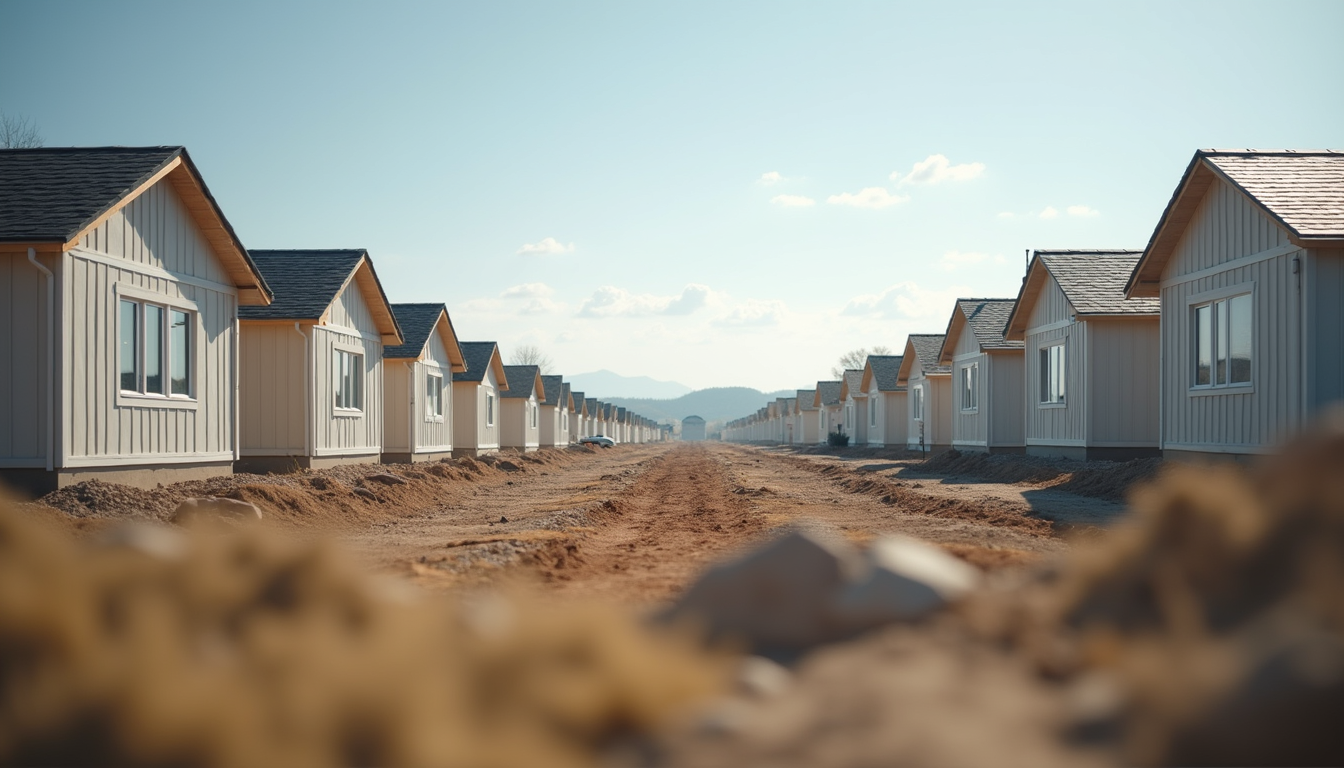
Innovative Approaches to Affordable Housing Solutions
To address the growing need for affordable housing, it is imperative to adopt innovative approaches that leverage technology, sustainable materials, and community involvement. One such approach is the integration of affordable housing solutions that prioritize rapid deployment and environmental responsibility.
Key strategies include:
Sustainable Material Use
Utilizing recycled or locally sourced materials reduces costs and environmental impact. Bamboo, recycled steel, and reclaimed wood are examples of sustainable materials gaining popularity.
Energy Efficiency
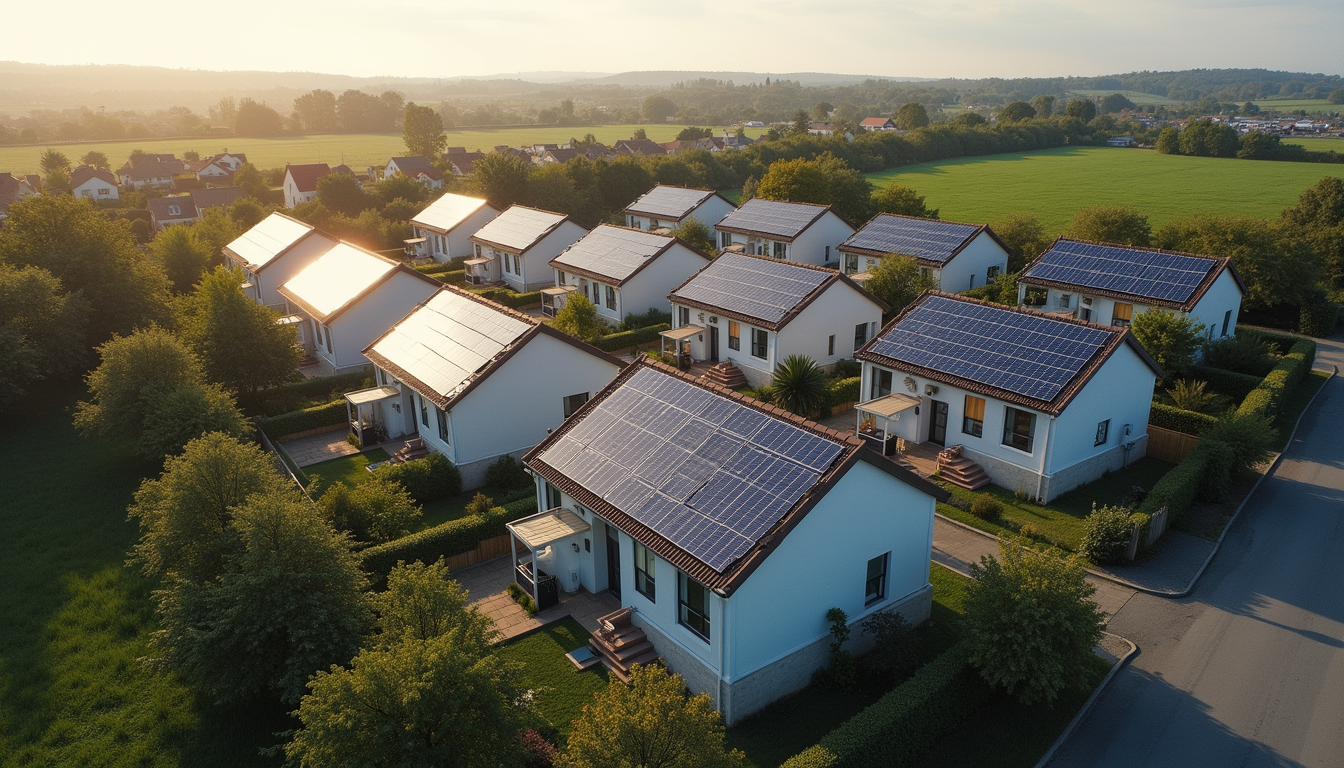
Incorporating solar panels, energy-efficient windows, and insulation reduces long-term utility costs, making homes more affordable over time.
Community-Centric Design
Designing housing clusters that encourage social interaction and shared resources can reduce individual costs and improve quality of life.
Public-Private Partnerships
Collaboration between governments, NGOs, and private enterprises can pool resources and expertise, accelerating project timelines and expanding reach.
Flexible Zoning and Policy Support
Advocating for zoning reforms and streamlined permitting processes can remove bureaucratic barriers that often delay affordable housing projects.
By combining these strategies, stakeholders can create housing solutions that are not only affordable but also resilient and adaptable to future needs.
What disqualifies you from public housing in Tennessee?
While public housing programs aim to assist those in need, certain criteria can disqualify applicants from eligibility. Understanding these disqualifications is crucial for governments and organizations working to provide alternative housing solutions.
Common disqualifications include:
- Income Limits: Applicants must fall within specific income brackets. Exceeding these limits results in ineligibility.
- Criminal History: Certain convictions, especially related to drug offenses or violent crimes, can disqualify applicants.
- Previous Evictions: A history of eviction from public housing or other subsidized programs may lead to denial.
- Non-Citizenship: Applicants must typically be U.S. citizens or have eligible immigration status.
Failure to Comply with Program Rules: Violations of lease agreements or program regulations can result in disqualification.
These restrictions highlight the importance of developing diverse housing options beyond public housing to accommodate those who may not qualify but still require affordable living arrangements.
Practical Recommendations for Implementing Budget-Friendly Housing
Implementing budget-friendly housing options requires a systematic approach that addresses design, financing, construction, and community integration. The following recommendations provide a roadmap for successful project execution:
1. Conduct Comprehensive Needs Assessments
Evaluate the specific housing needs of the target population, including size, location, and cultural preferences. This ensures that solutions are tailored and effective.
2. Prioritize Rapid Deployment Techniques
Utilize modular construction, prefabrication, or 3D printing to reduce build times. Rapid deployment is especially critical in disaster relief scenarios.
3. Secure Diverse Funding Sources
Combine government grants, NGO funding, and private investment to create a robust financial foundation. This diversification mitigates risk and increases project viability.
4. Engage Local Communities
Involve residents in planning and construction phases to foster ownership and ensure that housing meets their needs.
5. Implement Sustainable Practices
Incorporate energy-efficient designs and renewable energy sources to reduce operational costs and environmental impact.
6. Monitor and Evaluate Outcomes
Establish metrics to assess the success of housing projects, including affordability, durability, and resident satisfaction. Use this data to refine future initiatives.
By following these steps, stakeholders can maximize the impact of their housing programs and deliver long-term value.
Future Trends in Affordable Housing Development
The landscape of affordable housing is evolving rapidly, driven by technological advancements and shifting societal priorities. Anticipating future trends can help organizations stay ahead and innovate effectively.
Smart Housing Technologies
Integration of IoT devices and smart home systems can improve energy management, security, and resident comfort, all while maintaining affordability.
Circular Economy Models
Designing homes with materials that can be reused or recycled at the end of their lifecycle supports sustainability and cost reduction.
Climate-Resilient Construction
Building homes that withstand extreme weather events is increasingly important, particularly in disaster-prone regions.
Collaborative Housing Models
Co-housing and shared living arrangements offer cost savings and social benefits, appealing to diverse demographics.
Policy Innovations
Governments may introduce incentives for affordable housing development, such as tax credits or expedited permitting, to stimulate growth.
Staying informed about these trends enables stakeholders to adapt strategies and deliver housing solutions that meet both current and future demands.
Advancing Global Housing Initiatives
The global challenge of providing affordable, sustainable housing requires coordinated efforts across sectors and borders. Organizations like J. L. Filbey & Sons Capital Partners are pioneering rapid-build, eco-friendly housing solutions tailored for disaster relief and underserved communities worldwide.
By leveraging cutting-edge construction technologies and fostering partnerships with governments, NGOs, and private enterprises, these initiatives aim to:
- Accelerate housing delivery timelines
- Reduce environmental footprints
- Enhance living standards for vulnerable populations
Expand access to safe and affordable homes globally
The commitment to innovation and collaboration is essential to overcoming the complex challenges of modern housing needs and achieving lasting impact.
In summary, addressing the demand for budget-friendly housing options necessitates a multifaceted approach that combines technology, sustainability, and community engagement. By embracing innovative construction methods and fostering strategic partnerships, stakeholders can deliver effective and scalable housing solutions that meet the urgent needs of today and the challenges of tomorrow.
Planning a resilient housing project?
Request a Proposal