
Discover Cost-Effective Housing Initiatives for Modern Living
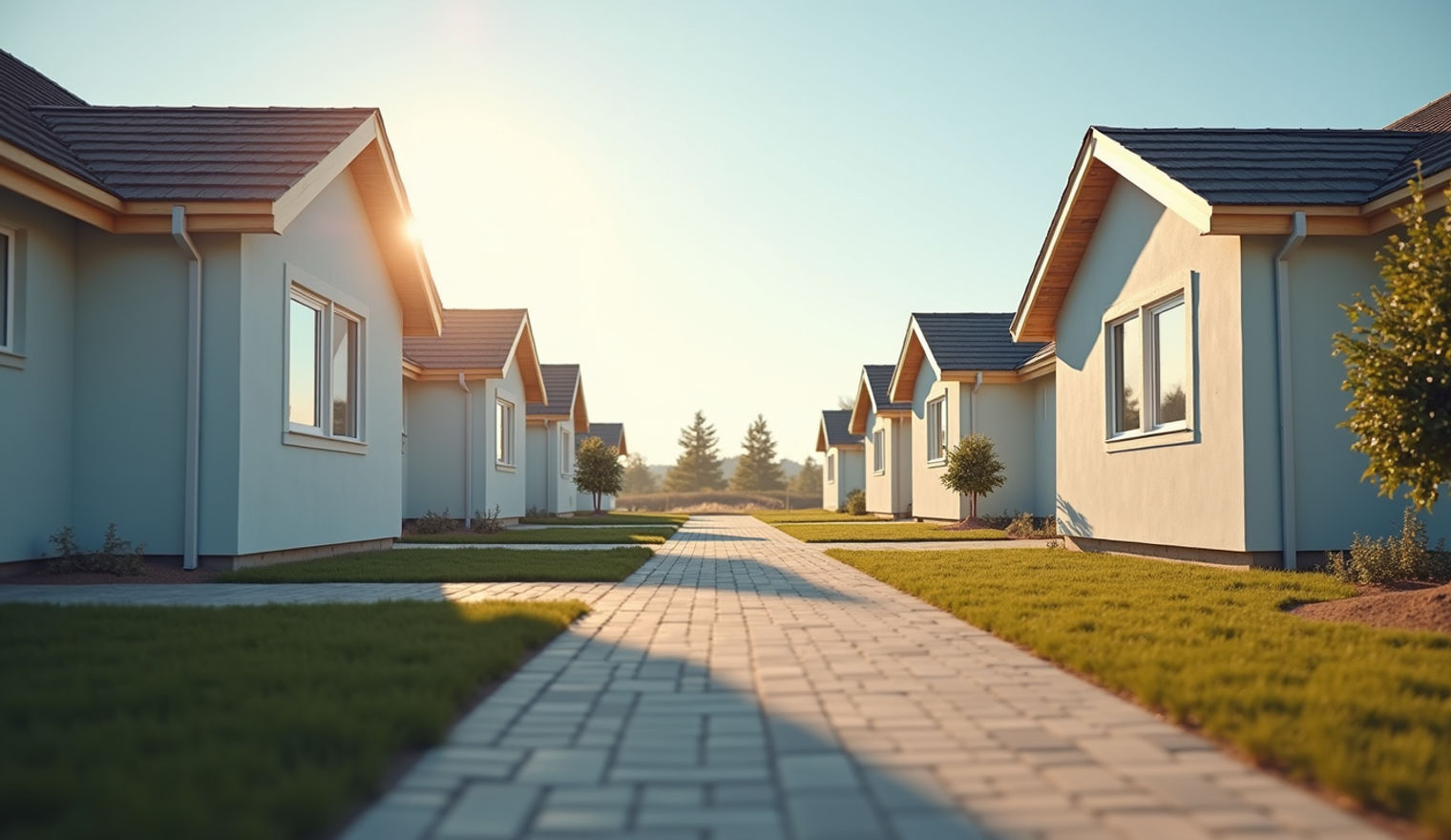
In the contemporary landscape of urban development and humanitarian efforts, the demand for cost-effective housing initiatives has never been more critical. Rapid urbanization, natural disasters, and economic disparities have intensified the need for innovative, sustainable, and affordable housing options. These initiatives not only address the immediate shelter needs but also contribute to long-term community resilience and social stability. This article explores various strategies and technologies that underpin modern affordable housing, emphasizing practical solutions that governments, NGOs, and private enterprises can implement to meet these challenges effectively.
The Imperative for Cost-Effective Housing Initiatives
The global housing crisis is multifaceted, driven by population growth, migration, and climate change impacts. Traditional construction methods often prove too slow and expensive to meet urgent demands, especially in disaster-stricken or underserved regions. Cost-effective housing initiatives focus on reducing construction time and expenses while maintaining quality and sustainability. These initiatives leverage modular construction, prefabrication, and innovative materials to create scalable housing solutions.
For example, modular homes can be manufactured off-site and assembled quickly on location, significantly reducing labor costs and construction waste. Additionally, the use of recycled or locally sourced materials minimizes environmental impact and supports local economies. Governments and NGOs have increasingly adopted these approaches to provide rapid relief housing after natural disasters such as hurricanes, earthquakes, and floods.
Innovative Cost-Effective Housing Initiatives in Practice
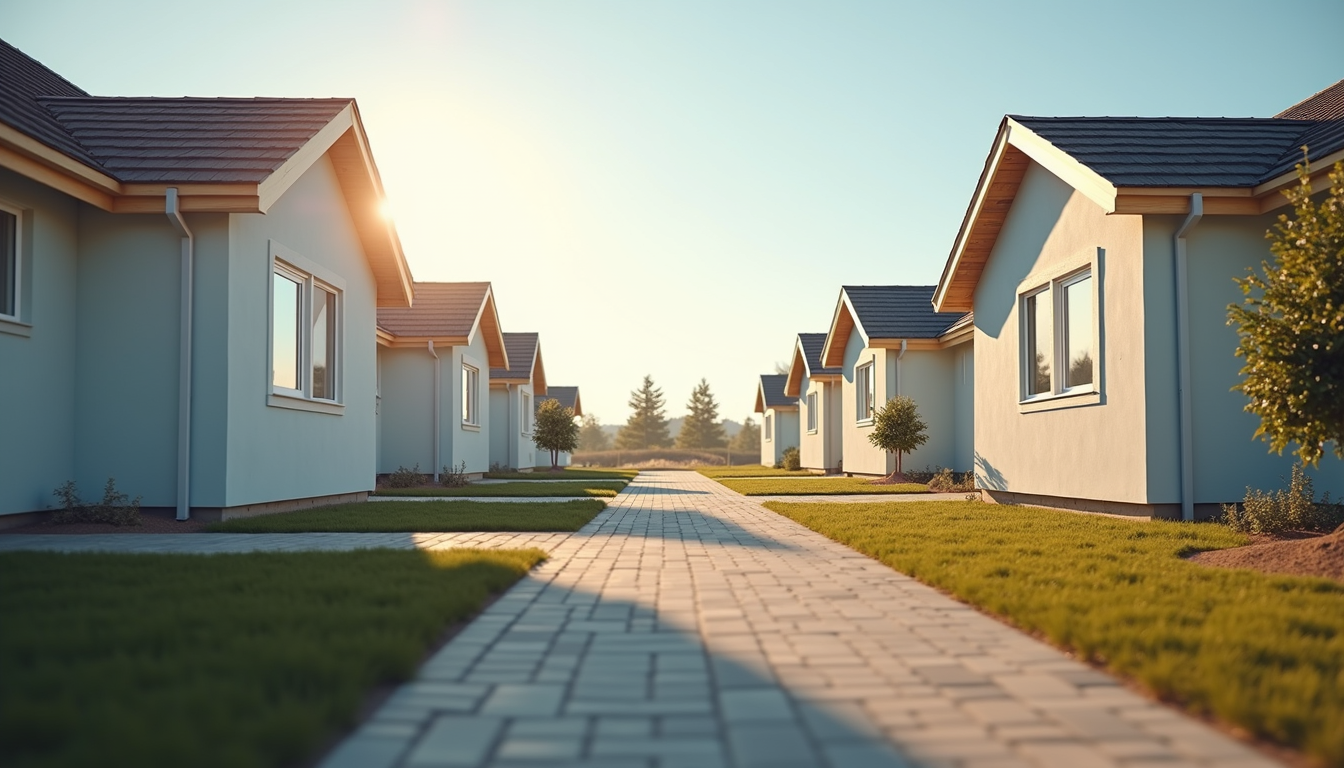
Several pioneering projects worldwide demonstrate the effectiveness of cost-efficient housing strategies. One notable approach is the integration of sustainable design principles with rapid-build technologies. This combination ensures that housing is not only affordable but also energy-efficient and resilient to future environmental challenges.
Prefabricated and Modular Construction
Prefabricated housing components are produced in controlled factory environments, ensuring precision and reducing construction errors. This method accelerates project timelines and lowers costs by minimizing on-site labor and material waste. Modular construction, a subset of prefabrication, involves creating entire sections or modules of a home that are transported and assembled on-site. This technique is particularly advantageous in remote or disaster-affected areas where traditional construction resources are scarce.
Use of Alternative Building Materials
Innovations in building materials contribute significantly to cost reduction. Materials such as compressed earth blocks, bamboo, and recycled plastics offer sustainable alternatives to conventional concrete and steel. These materials often require less energy to produce and can be sourced locally, reducing transportation costs and carbon footprints.
Community-Centric Design
Effective housing initiatives incorporate community input to ensure that designs meet cultural, social, and practical needs. This participatory approach enhances acceptance and long-term sustainability. For instance, incorporating communal spaces and adaptable layouts can foster social cohesion and accommodate changing family structures.
What Disqualifies You from Public Housing in Tennessee?
Understanding eligibility criteria is crucial for effective housing policy implementation. In Tennessee, public housing programs have specific disqualifiers that applicants must be aware of. These include:
- Criminal History: Certain felony convictions, particularly those related to drug offenses or violent crimes, can disqualify applicants.
- Income Limits: Applicants must meet income thresholds that vary by family size and local median income levels.
- Previous Evictions: A history of eviction from public housing or federally assisted housing can impact eligibility.
- False Information: Providing inaccurate or misleading information during the application process results in disqualification.
Non-Citizenship: Applicants must be U.S. citizens or have eligible immigration status.
These criteria ensure that public housing resources are allocated to those most in need while maintaining community safety and program integrity. However, they also highlight the importance of alternative affordable housing solutions for individuals who may not qualify for public assistance.
Strategies for Implementing Affordable Housing Solutions
To effectively address housing shortages, stakeholders must adopt a multi-pronged approach that combines policy reform, technological innovation, and community engagement. The following strategies are essential for successful implementation:
Public-Private Partnerships (PPPs)
Collaborations between governments, NGOs, and private enterprises can pool resources and expertise. PPPs facilitate large-scale housing projects by sharing risks and benefits, accelerating development timelines.
Incentivizing Sustainable Development
Offering tax credits, grants, or zoning incentives encourages developers to incorporate green building practices and affordable units in their projects.
Leveraging Technology
Utilizing Building Information Modeling (BIM), 3D printing, and smart home technologies can optimize design, reduce costs, and improve living standards.
Capacity Building and Training
Investing in local workforce training ensures that communities can maintain and expand housing infrastructure independently.
Flexible Financing Models
Innovative financing, such as microloans and rent-to-own schemes, increases accessibility for low-income families.
By integrating these strategies, stakeholders can create resilient housing ecosystems that adapt to evolving social and environmental conditions.
Future Directions in Affordable Housing Development
The trajectory of affordable housing development points toward greater integration of sustainability, technology, and social equity. Emerging trends include:
- Net-Zero Energy Homes: Buildings designed to produce as much energy as they consume, reducing utility costs and environmental impact.
- Smart Housing Solutions: Incorporation of IoT devices for energy management, security, and health monitoring.
- Circular Economy Practices: Emphasizing reuse and recycling of materials throughout the housing lifecycle.
Disaster-Resilient Designs: Structures engineered to withstand extreme weather events, ensuring safety and reducing recovery costs.
These advancements align with the mission of organizations like J. L. Filbey & Sons Capital Partners, which aim to lead in rapid-build, sustainable, and affordable housing solutions worldwide. By embracing innovation and collaboration, the sector can meet the urgent needs of disaster relief and underserved communities effectively.
In conclusion, the pursuit of affordable housing solutions requires a comprehensive understanding of technological, social, and economic factors. Through strategic initiatives and continuous innovation, it is possible to provide dignified, cost-effective housing that supports modern living and community resilience.
Planning a resilient housing project?
Request a Proposal