
Discover Cost-Effective Housing Options Today

In the face of increasing global challenges, the demand for cost-effective housing options has never been more urgent. Governments, NGOs, and private enterprises are seeking innovative, sustainable, and rapid solutions to provide shelter for disaster-affected populations and underserved communities. As a professional deeply involved in this sector, I have observed that the key to addressing these challenges lies in adopting practical, scalable, and financially viable housing models. This article explores various strategies and technologies that can transform the housing landscape, ensuring accessibility without compromising quality or sustainability.
Exploring Cost-Effective Housing Options
Cost-effective housing options encompass a broad spectrum of approaches designed to reduce construction and maintenance expenses while meeting essential living standards. These options are critical for disaster relief efforts and long-term community development. Among the most promising solutions are modular construction, prefabricated homes, and the use of alternative building materials.
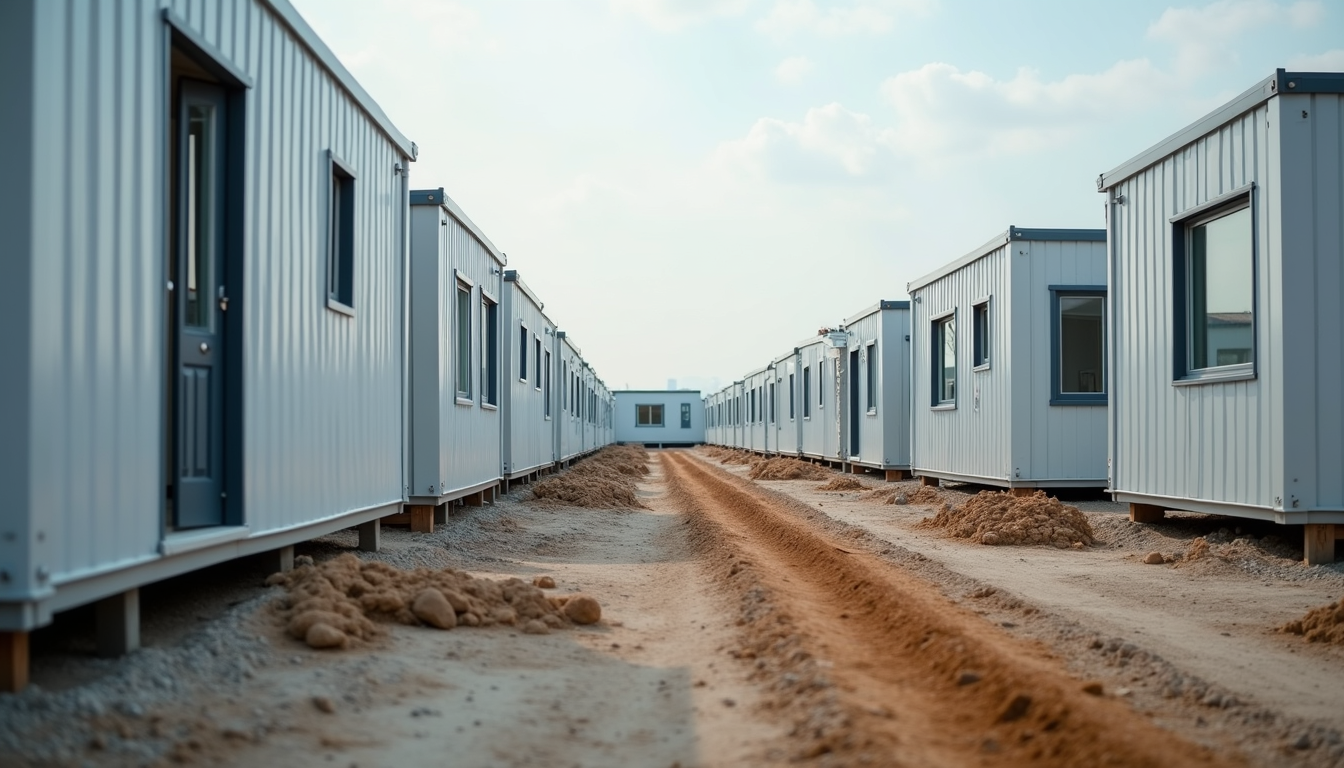
Modular construction involves fabricating sections of a building off-site in controlled environments, then transporting and assembling them on location. This method significantly reduces construction time and labor costs, while improving quality control. For example, modular homes can be erected in weeks rather than months, which is crucial in emergency scenarios.
Prefabricated homes share similarities with modular construction but often include entire units or rooms built off-site. These homes can be customized to meet specific needs and climates, offering flexibility and efficiency. Prefabrication also minimizes waste and environmental impact, aligning with sustainable development goals.
Alternative materials such as compressed earth blocks, recycled plastics, and bamboo offer cost savings and environmental benefits. These materials are often locally sourced, reducing transportation costs and supporting local economies. Additionally, they provide excellent insulation and durability, which are vital for long-term habitation.
Incorporating renewable energy systems like solar panels and rainwater harvesting can further enhance the sustainability and cost-effectiveness of housing projects. These features reduce utility expenses and increase resilience, especially in remote or disaster-prone areas.
Innovative Strategies for Rapid Deployment
Rapid deployment of housing is essential in disaster relief and urgent community support. Several innovative strategies have emerged to meet this need without sacrificing quality or affordability.
One such strategy is the use of 3D printing technology in construction. This method allows for the quick fabrication of building components or entire structures using concrete or composite materials. 3D printing reduces labor costs and material waste, and it can produce complex designs that traditional methods cannot easily achieve.
Another approach is the implementation of container homes. Shipping containers are repurposed into durable, stackable living units that can be transported and assembled quickly. These homes are inherently strong, weather-resistant, and adaptable to various configurations, making them ideal for temporary or permanent housing solutions.
Community-driven construction models also play a vital role. By involving local populations in the building process, projects benefit from reduced labor costs, enhanced cultural appropriateness, and increased community ownership. Training programs can equip residents with construction skills, fostering economic development alongside housing provision.

To maximize impact, these strategies should be integrated with comprehensive planning that includes infrastructure, social services, and economic opportunities. This holistic approach ensures that housing solutions contribute to sustainable community development rather than merely providing shelter.
What Disqualifies You from Public Housing in Tennessee?
Understanding eligibility criteria for public housing is crucial for effective allocation of resources and support. In Tennessee, several factors can disqualify applicants from receiving public housing assistance, which is important for governments and NGOs to consider when planning interventions.
Common disqualifiers include:
- Income exceeding set limits: Public housing programs typically target low-income households. Applicants whose income surpasses the threshold may be deemed ineligible.
- Criminal history: Certain convictions, especially those related to drug offenses or violent crimes, can disqualify individuals or families.
- Previous eviction for lease violations: A history of eviction due to non-compliance with lease terms may affect eligibility.
- Failure to provide accurate documentation: Incomplete or falsified information can result in disqualification.
Non-citizenship or immigration status: Some programs require applicants to be U.S. citizens or have eligible immigration status.
These criteria highlight the importance of alternative housing solutions that can serve populations excluded from public housing. Rapid-build, affordable, and flexible housing models can fill this gap effectively.
Leveraging Technology and Sustainability in Housing
The integration of technology and sustainability principles is transforming the housing sector. Advanced materials, energy-efficient designs, and smart home technologies contribute to reducing costs and environmental impact.
Energy-efficient building designs incorporate insulation, natural ventilation, and passive solar heating to minimize energy consumption. These designs reduce utility bills and improve occupant comfort, which is especially important in resource-limited settings.
Smart home technologies such as automated lighting, temperature control, and security systems can be adapted to affordable housing to enhance safety and convenience. While initial costs may be higher, long-term savings and improved quality of life justify the investment.
Sustainability also involves water conservation measures like low-flow fixtures and greywater recycling. These features reduce water usage and lower utility expenses, contributing to the overall affordability of housing.
Governments and NGOs should prioritize partnerships with technology providers and sustainability experts to incorporate these innovations into housing projects. This collaboration ensures that solutions are both cutting-edge and contextually appropriate.
Financing and Policy Frameworks Supporting Affordable Housing
Effective financing and supportive policy frameworks are essential to scale cost-effective housing solutions. Public-private partnerships, grants, and innovative financing models can mobilize the necessary capital.
Public-private partnerships (PPPs) enable governments to leverage private sector expertise and resources. These collaborations can accelerate project timelines and improve quality while sharing risks and benefits.
Grants and subsidies targeted at affordable housing reduce financial barriers for developers and occupants. These incentives encourage investment in underserved areas and disaster-prone regions.
Innovative financing models such as social impact bonds and microfinance provide alternative funding sources. These models align financial returns with social outcomes, attracting investors interested in both profit and impact.
Policy frameworks should also streamline permitting processes, enforce building codes that support sustainability, and promote land use policies favorable to affordable housing development.
By aligning financial mechanisms with regulatory support, stakeholders can create an enabling environment for rapid, sustainable, and cost-effective housing deployment.
Advancing Global Impact Through Scalable Solutions
The global demand for affordable housing solutions continues to grow, driven by urbanization, climate change, and humanitarian crises. To meet this demand, scalable and adaptable housing models are imperative.
Standardization of design and construction allows for replication across diverse contexts, reducing costs and complexity. Modular and prefabricated systems exemplify this approach, enabling rapid assembly and customization.
Capacity building and knowledge transfer empower local communities and organizations to implement and maintain housing projects independently. Training programs and technical assistance are critical components of sustainable impact.
Monitoring and evaluation frameworks ensure that housing solutions meet quality standards and deliver intended social benefits. Data-driven decision-making supports continuous improvement and accountability.
By focusing on scalability, sustainability, and community engagement, stakeholders can maximize the reach and effectiveness of cost-effective housing options worldwide.
In summary, the pursuit of affordable housing solutions demands a multifaceted approach that combines innovative construction methods, sustainable design, supportive policies, and strategic financing. Through collaboration and commitment, it is possible to provide dignified, resilient, and accessible housing for those who need it most, particularly in disaster relief and underserved communities. The future of housing lies in embracing these cost-effective options and scaling them globally to create lasting social impact.
Planning a resilient housing project?
Request a Proposal