
Discover Effective Low-Cost Housing Strategies for Rapid Relief and Sustainability
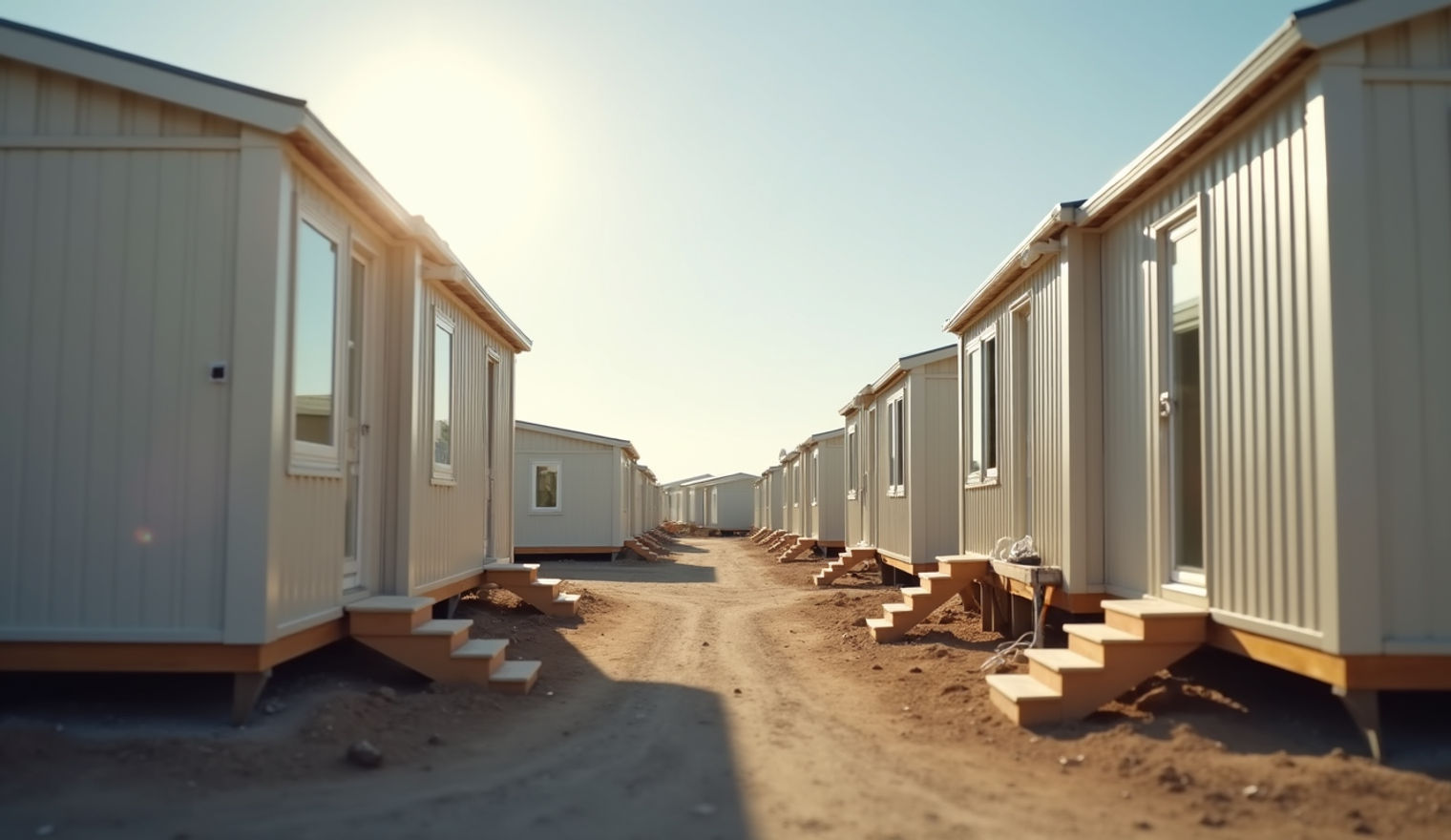
Addressing the global challenge of housing affordability requires innovative, scalable, and sustainable approaches. As urban populations swell and natural disasters displace communities, the demand for low-cost housing strategies has never been more urgent. Governments, NGOs, and private enterprises must collaborate to implement solutions that not only provide shelter but also promote resilience and long-term viability. This article explores practical, effective methods to deliver affordable housing rapidly and sustainably, focusing on disaster relief and underserved populations.
Understanding Low-Cost Housing Strategies: Foundations and Frameworks
Low-cost housing strategies encompass a variety of approaches designed to reduce construction and maintenance expenses while ensuring safety, comfort, and environmental responsibility. These strategies often integrate modern technology, innovative materials, and community-centric planning.
Key components include:
- Modular and Prefabricated Construction: Utilizing factory-built modules that can be quickly assembled onsite reduces labor costs and construction time.
- Sustainable Materials: Incorporating recycled, locally sourced, or renewable materials lowers environmental impact and material expenses.
- Design Efficiency: Optimizing floor plans and structural elements to maximize space and minimize waste.
Community Engagement: Involving future residents in the design and building process fosters ownership and ensures cultural appropriateness.
For example, modular homes constructed with cross-laminated timber panels have demonstrated significant cost savings and rapid deployment capabilities in post-disaster scenarios. These homes also offer superior insulation and durability compared to traditional materials.
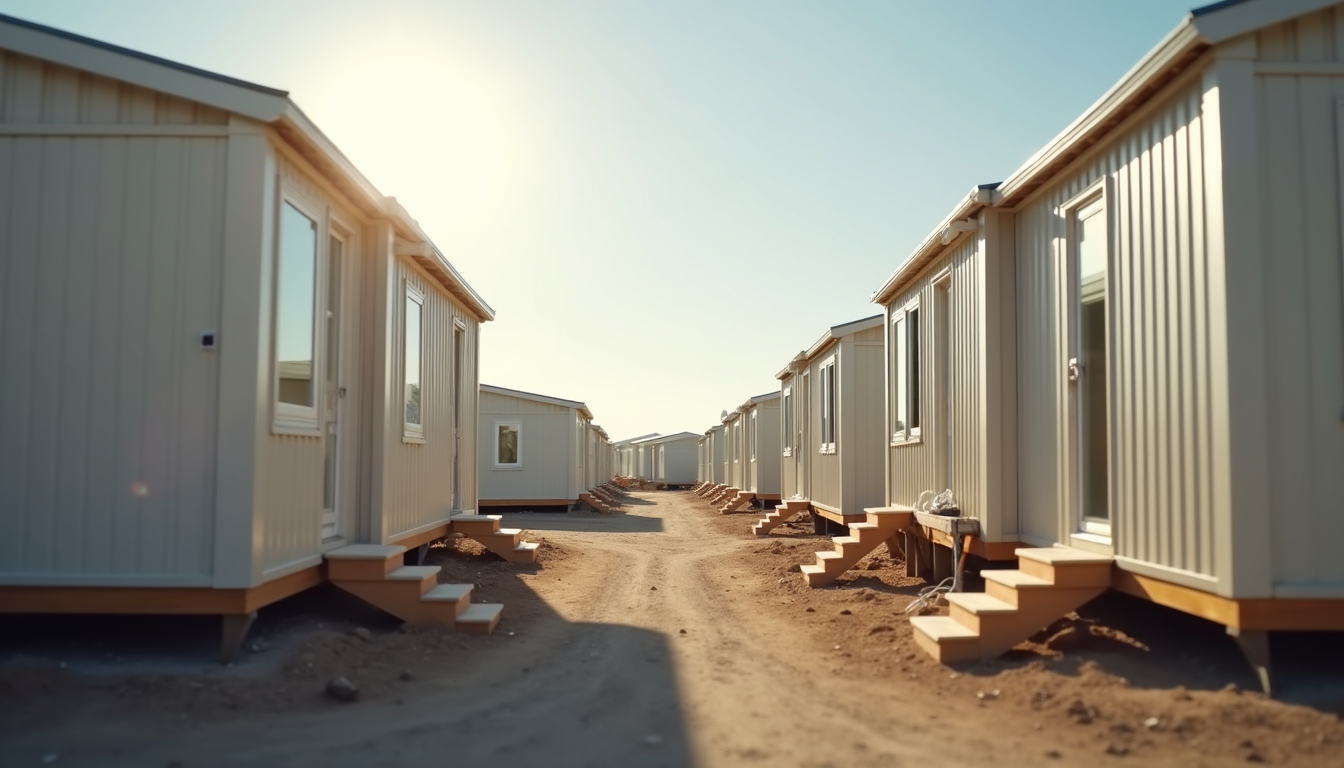
Innovative Approaches to Affordable Housing Solutions
The landscape of affordable housing is evolving with technological advancements and policy innovations. Several promising approaches have emerged:
1. 3D Printing Technology
3D printing enables the construction of entire homes using automated processes that reduce labor costs and material waste. This technology can produce complex architectural designs quickly, making it ideal for emergency housing needs.
2. Shipping Container Conversions
Repurposing shipping containers into livable spaces offers a cost-effective and durable alternative. These structures are inherently strong, stackable, and transportable, making them suitable for temporary or permanent housing.
3. Green Building Certifications
Incorporating green building standards such as LEED or WELL ensures that affordable housing projects meet environmental and health benchmarks, reducing long-term operational costs.
4. Public-Private Partnerships (PPPs)
Collaborations between governments, NGOs, and private enterprises can leverage resources and expertise to scale affordable housing projects efficiently. PPPs often facilitate access to funding, land, and technical support.
5. Micro-Housing and Co-Living Models
Smaller, efficiently designed units and shared communal spaces reduce individual costs and foster social cohesion. These models are particularly effective in urban areas with limited land availability.
Each of these approaches contributes to a diversified toolkit for addressing housing shortages and affordability challenges.
Where can I live for $500 a month in the USA?
For individuals and families seeking affordable living options within the United States, several regions offer rental opportunities around $500 per month. These areas typically feature lower costs of living and may benefit from targeted housing programs.
Examples of Locations:
- Midwestern Cities: Cities such as Cleveland, Ohio, and Detroit, Michigan, have neighborhoods where rental prices remain affordable due to economic shifts and revitalization efforts.
- Rural Areas: Many rural counties across states like Arkansas, West Virginia, and Mississippi offer low-cost housing options, though access to services may be limited.
Suburban Zones: Certain suburban areas near larger metropolitan centers provide affordable rentals, often supported by local housing initiatives.
It is important to note that while rent may be low, additional factors such as transportation, employment opportunities, and community resources must be considered to ensure sustainable living conditions.
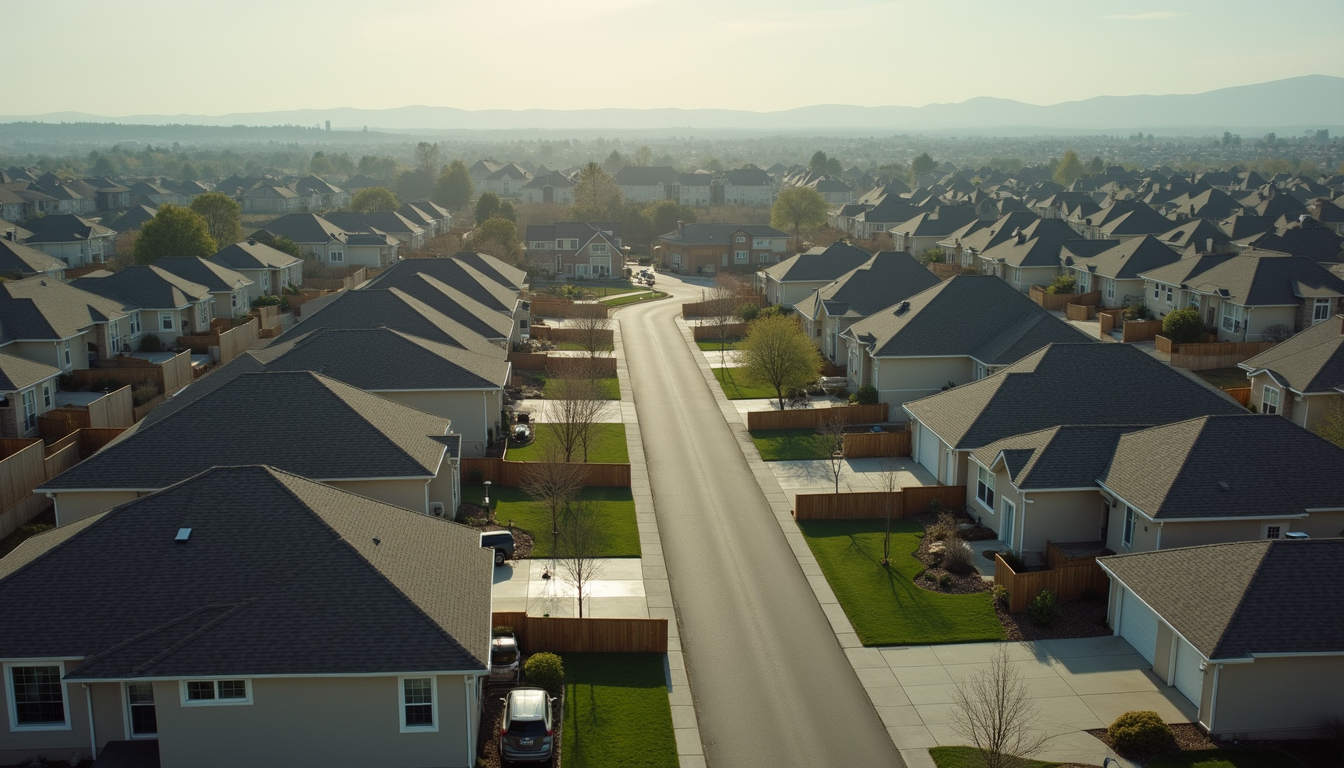
Implementing Rapid-Build Solutions for Disaster Relief
Disasters such as hurricanes, earthquakes, and floods create immediate housing crises. Rapid-build solutions are essential to provide safe shelter quickly while planning for long-term recovery.
Key Elements of Rapid-Build Housing:
- Pre-Engineered Components: Utilizing standardized parts that can be mass-produced and shipped rapidly.
- Scalable Designs: Structures that can be expanded or modified as community needs evolve.
- Durability and Safety: Materials and construction methods that withstand local environmental hazards.
Energy Efficiency: Incorporating solar panels, insulation, and ventilation to reduce utility costs.
For instance, J. L. Filbey & Sons Capital Partners has pioneered rapid-build housing models that combine prefabrication with sustainable materials, enabling deployment within weeks of a disaster event. These homes are designed to be both affordable and resilient, addressing immediate needs without compromising future stability.
Recommendations for Stakeholders:
- Establish pre-disaster agreements with manufacturers and suppliers.
- Develop modular housing templates adaptable to various climates and cultures.
Train local labor forces in assembly and maintenance to foster economic recovery.
Policy and Financial Mechanisms to Support Affordable Housing
Effective low-cost housing strategies require supportive policy frameworks and innovative financing models. Governments and organizations can implement measures to stimulate development and ensure accessibility.
Policy Instruments:
- Inclusionary Zoning: Mandating affordable units within new developments.
- Tax Incentives: Offering credits or abatements to developers investing in affordable housing.
- Land Trusts: Securing land for long-term affordable housing use.
Streamlined Permitting: Reducing bureaucratic delays to accelerate construction.
Financial Models:
- Social Impact Bonds: Attracting private investment with returns linked to social outcomes.
- Grants and Subsidies: Direct funding to lower construction and rental costs.
Microfinance: Providing small loans to individuals for home improvements or purchases.
By combining these mechanisms, stakeholders can create an enabling environment that encourages innovation and investment in affordable housing.
Advancing Sustainable and Scalable Housing Solutions Globally
The future of affordable housing lies in scalable, sustainable models that can be adapted worldwide. Emphasizing environmental stewardship, social inclusion, and economic viability is critical.
Strategies for Global Impact:
- Technology Transfer: Sharing best practices and innovations across regions.
- Capacity Building: Training local communities and organizations in construction and maintenance.
- Data-Driven Planning: Utilizing geographic information systems (GIS) and demographic data to optimize site selection and resource allocation.
Monitoring and Evaluation: Implementing metrics to assess housing quality, affordability, and resident satisfaction.
By integrating these strategies, organizations can enhance their ability to deliver effective affordable housing solutions that meet diverse needs.
The pursuit of effective low-cost housing strategies demands a multifaceted approach that balances speed, cost, quality, and sustainability. Through innovation, collaboration, and sound policy, it is possible to provide dignified shelter to those in need, particularly in disaster-affected and underserved communities. The ongoing commitment to refining and expanding these solutions will shape a more equitable and resilient future for all.
Planning a resilient housing project?
Request a Proposal