
Discover Innovative Affordable Housing Solutions

The global demand for housing that is both affordable and sustainable has never been more urgent. Rapid urbanization, natural disasters, and economic disparities have intensified the need for innovative housing solutions that can be deployed quickly and efficiently. As someone deeply involved in the development and implementation of such projects, I have witnessed firsthand how creative approaches can transform communities and provide lasting relief to underserved populations. This article explores some of the most promising strategies and technologies shaping the future of affordable housing.
Exploring Innovative Housing Solutions for Rapid Deployment
Innovative housing solutions are characterized by their ability to combine speed, cost-effectiveness, and sustainability. Governments, NGOs, and private enterprises require models that can be scaled and adapted to diverse environments, especially in disaster-stricken or resource-limited areas. Among the most effective approaches are modular construction, 3D printing, and the use of eco-friendly materials.
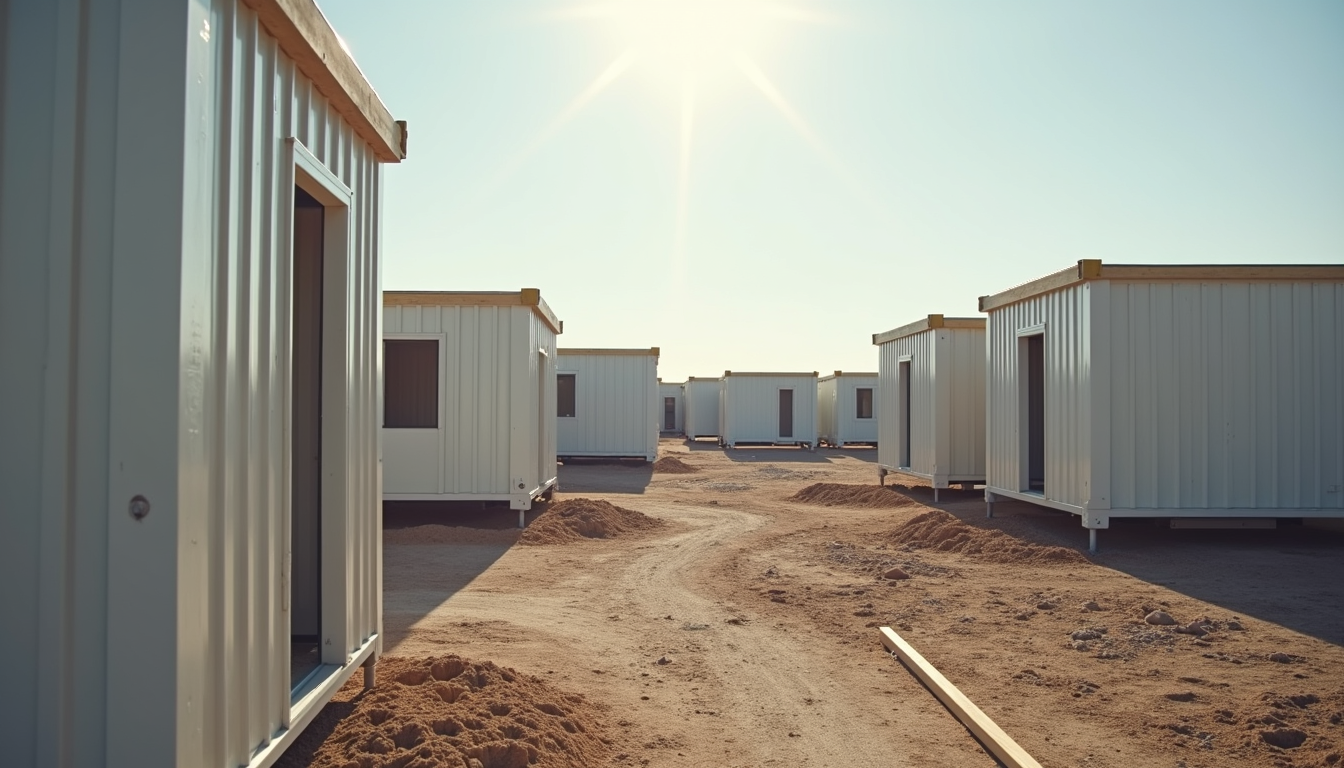
Modular construction involves fabricating housing components off-site in controlled factory settings. These modules are then transported and assembled on location, significantly reducing construction time and labor costs. This method also minimizes waste and environmental impact, aligning with sustainability goals.
3D printing technology has emerged as a revolutionary tool in affordable housing. By using specialized printers to create building components layer by layer, it is possible to produce durable structures rapidly and at a fraction of traditional costs. This technology allows for customization and can utilize locally sourced materials, further reducing expenses.
Eco-friendly materials such as recycled plastics, bamboo, and compressed earth blocks are gaining traction. These materials not only lower the carbon footprint but also enhance the durability and insulation of homes, improving living conditions for residents.
Key Technologies Driving Affordable Housing Solutions
The integration of technology into housing development has unlocked new possibilities for addressing affordability and sustainability. Beyond modular and 3D printing methods, several other technologies contribute to innovative housing solutions:
- Prefabricated panels: These panels are manufactured off-site and can be quickly installed, reducing construction timelines.
- Smart home systems: Incorporating energy-efficient appliances and automated controls helps reduce utility costs for residents.
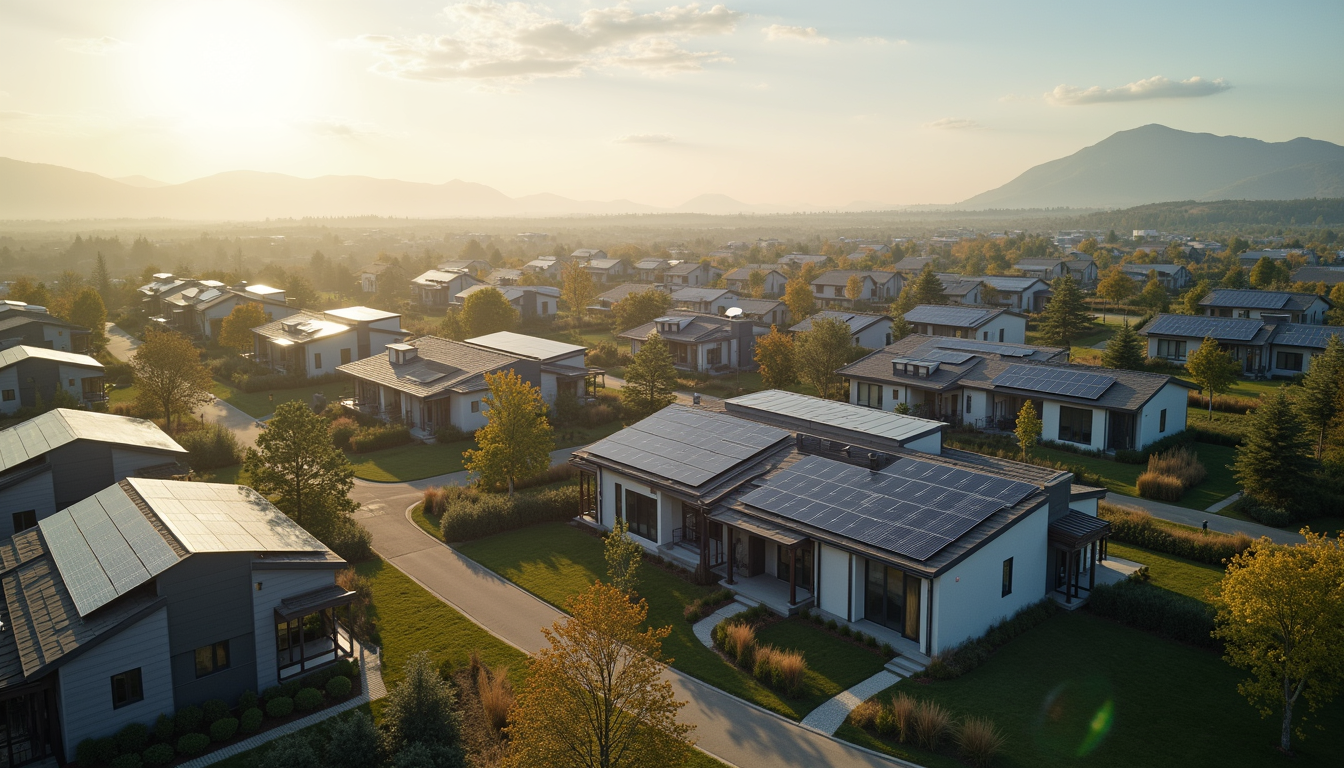
- Renewable energy integration: Solar panels and small-scale wind turbines can be incorporated into housing designs to provide off-grid power solutions.
Water recycling and rainwater harvesting: These systems promote self-sufficiency and reduce dependence on municipal water supplies.
By leveraging these technologies, housing projects can achieve greater resilience and sustainability, which are critical in disaster relief scenarios and underserved communities.
What disqualifies you from public housing in Tennessee?
Understanding eligibility criteria for public housing is essential for governments and organizations aiming to assist vulnerable populations effectively. In Tennessee, several factors can disqualify applicants from receiving public housing assistance:
- Income limits: Applicants must fall within specific income brackets, which vary by family size and local median income.
- Criminal history: Certain convictions, particularly those related to drug offenses or violent crimes, may result in disqualification.
- Eviction records: Previous evictions for lease violations or non-payment can impact eligibility.
- Citizenship status: Applicants must be U.S. citizens or have eligible immigration status.
Household composition: Some programs have restrictions on household size or require dependents.
These criteria ensure that public housing resources are allocated to those most in need while maintaining community safety and program integrity.
Practical Recommendations for Implementing Affordable Housing Projects
Successful deployment of affordable housing solutions requires careful planning, collaboration, and adherence to best practices. Here are several actionable recommendations:
- Conduct thorough needs assessments: Understand the specific requirements of the target community, including cultural preferences, climate considerations, and infrastructure availability.
- Engage local stakeholders: Collaboration with local governments, NGOs, and community leaders ensures alignment with regional priorities and facilitates smoother project execution.
- Prioritize sustainability: Incorporate energy-efficient designs, renewable energy sources, and environmentally friendly materials to reduce long-term costs and environmental impact.
- Utilize scalable construction methods: Modular and prefabricated techniques allow for rapid expansion and adaptation to changing demands.
- Implement training programs: Equip local labor forces with skills in innovative construction methods to promote economic development and project sustainability.
Secure diversified funding: Combine public, private, and philanthropic resources to ensure financial viability and reduce dependency on a single source.
By following these guidelines, organizations can maximize the impact of their housing initiatives and contribute to long-term community resilience.
Future Trends in Affordable Housing Development
The landscape of affordable housing is evolving rapidly, driven by technological advancements and shifting societal needs. Several trends are poised to shape the future:
- Increased use of artificial intelligence (AI): AI can optimize design, construction scheduling, and resource allocation, improving efficiency and reducing costs.
- Circular economy principles: Emphasizing reuse and recycling of materials to minimize waste and environmental impact.
- Community-centric designs: Creating spaces that foster social interaction, safety, and inclusivity.
- Policy innovations: Governments are exploring new zoning laws and incentives to encourage affordable housing development.
Disaster-resilient construction: Incorporating features that withstand extreme weather events to protect vulnerable populations.
Staying abreast of these trends will enable stakeholders to implement forward-thinking solutions that address both current and future housing challenges.
Advancing Global Housing Initiatives with Strategic Partnerships
The complexity of affordable housing demands collaboration across sectors and borders. Strategic partnerships between governments, NGOs, and private enterprises are essential to scale innovative solutions effectively. By pooling expertise, resources, and networks, these alliances can accelerate project delivery and enhance quality.
Organizations like J. L. Filbey & Sons Capital Partners exemplify this approach by focusing on rapid-build, sustainable housing tailored for disaster relief and underserved communities worldwide. Their commitment to expanding reach and impact underscores the importance of coordinated efforts in addressing global housing shortages.
In conclusion, the pursuit of innovative affordable housing solutions is not merely a technical challenge but a humanitarian imperative. Through the adoption of advanced construction technologies, sustainable materials, and collaborative frameworks, it is possible to create resilient communities that offer dignity and security to all residents.
For more information on affordable housing solutions, please visit the official resource.
Planning a resilient housing project?
Request a Proposal