
Discover Innovative Affordable Housing Strategies

The global demand for affordable housing has never been more urgent. Rapid urbanization, economic disparities, and the increasing frequency of natural disasters have intensified the need for sustainable, cost-effective housing solutions. Governments, NGOs, and private enterprises are actively seeking innovative approaches to address these challenges. As a professional deeply involved in this sector, I have observed that the most successful strategies combine technological innovation, community engagement, and policy reform to create scalable and resilient housing models.
Exploring Affordable Housing Strategies for Sustainable Development
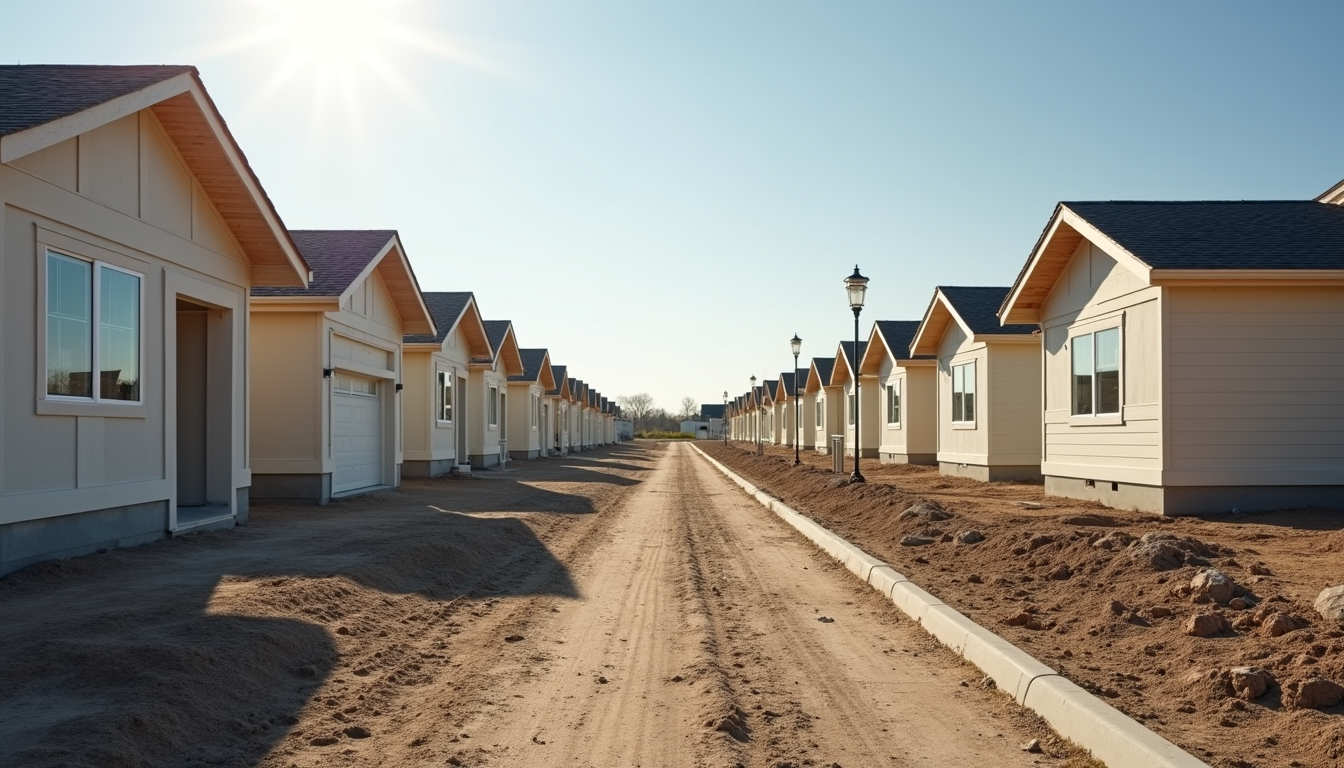
Affordable housing strategies must be multifaceted to effectively meet the diverse needs of underserved populations. One of the most promising approaches involves the integration of modular construction techniques. Modular homes are prefabricated in controlled factory environments, which significantly reduces construction time and costs. This method also minimizes waste and environmental impact, aligning with sustainability goals.
Another critical strategy is the utilization of adaptive reuse of existing structures. Repurposing vacant commercial buildings or underutilized spaces into residential units can provide immediate relief in high-demand areas. This approach not only conserves resources but also revitalizes neighborhoods, fostering economic growth.
Public-private partnerships (PPPs) have emerged as a powerful mechanism to leverage resources and expertise. By combining government incentives with private sector efficiency, PPPs can accelerate the delivery of affordable housing projects. These collaborations often include shared financing models, land grants, and streamlined regulatory processes.
In addition, community land trusts (CLTs) offer a long-term solution by separating land ownership from housing ownership. This model ensures that homes remain affordable for future generations, preventing displacement due to market pressures. CLTs empower residents by involving them in decision-making and maintenance, promoting social cohesion.
Innovative Affordable Housing Strategies in Practice
Implementing innovative affordable housing strategies requires a comprehensive understanding of local contexts and challenges. For instance, in disaster-prone regions, rapid deployment of housing is critical. Prefabricated and modular units can be transported and assembled quickly, providing immediate shelter while permanent solutions are developed.
In urban centers facing land scarcity, vertical construction and micro-apartments maximize space efficiency. These units are designed with multifunctional furniture and shared amenities to enhance livability despite limited square footage. Incorporating green building materials and energy-efficient systems further reduces operational costs for residents.
Technology also plays a pivotal role. The use of Building Information Modeling (BIM) and 3D printing in construction allows for precise planning and customization, reducing errors and material waste. These technologies enable the production of affordable housing units tailored to specific environmental and cultural needs.
Financial innovation is equally important. Microfinance programs and rent-to-own schemes provide flexible options for low-income families to access housing. Governments can support these initiatives through subsidies and credit guarantees, lowering barriers to homeownership.
What disqualifies you from public housing in Tennessee?
Understanding eligibility criteria is essential for effective housing policy implementation. In Tennessee, several factors can disqualify applicants from public housing programs. These include:
- Income limits: Applicants must fall within specific income brackets, typically below 80% of the area median income. Exceeding these limits results in disqualification.
- Criminal history: Certain convictions, especially those related to drug offenses or violent crimes, can render applicants ineligible.
- Eviction records: Previous evictions for lease violations or non-payment may disqualify individuals.
- Citizenship status: Public housing programs generally require applicants to be U.S. citizens or eligible non-citizens.
Household composition: Some programs have restrictions on household size or require dependents.
These criteria aim to prioritize the most vulnerable populations while maintaining program integrity. However, they also highlight the need for alternative affordable housing strategies to serve those who do not qualify for public assistance.
Leveraging Technology and Policy for Scalable Solutions
To scale affordable housing effectively, it is imperative to harness both technological advancements and supportive policy frameworks. Governments can facilitate innovation by revising zoning laws to allow for higher density and mixed-use developments. Streamlining permitting processes reduces delays and costs, encouraging private investment.
On the technology front, smart home systems integrated into affordable housing can improve energy efficiency and reduce utility expenses. Sensors and automation optimize heating, cooling, and lighting, contributing to lower living costs and environmental impact.
Data analytics also enhance decision-making by identifying areas of greatest need and monitoring project outcomes. This evidence-based approach ensures resources are allocated efficiently and programs are continuously improved.
Collaboration across sectors is vital. NGOs often provide on-the-ground insights and community engagement, while private enterprises bring capital and technical expertise. Together, they can pilot innovative models such as co-housing communities and mixed-income developments that promote social integration and economic diversity.
Advancing Global Affordable Housing Solutions
The pursuit of affordable housing solutions is a global imperative. Rapid urban growth in developing countries demands scalable, adaptable models that can be replicated across diverse environments. International cooperation and knowledge sharing accelerate progress by disseminating best practices and lessons learned.
Sustainability remains a cornerstone of these efforts. Incorporating renewable energy, water conservation, and resilient design features ensures that housing developments withstand environmental stresses and reduce their carbon footprint.
Moreover, empowering local communities through participatory planning and capacity building fosters ownership and long-term success. Training programs in construction skills and maintenance create employment opportunities and strengthen social fabric.
In conclusion, the future of affordable housing lies in the convergence of innovation, collaboration, and sustainability. By embracing these principles, stakeholders can deliver rapid-build, cost-effective, and resilient homes that transform lives and communities worldwide.
For those interested in exploring further, affordable housing solutions offer a comprehensive framework to address these challenges effectively.
Planning a resilient housing project?
Request a Proposal