
Discover Practical Innovative Housing Solutions

The global demand for affordable and sustainable housing has never been more urgent. Rapid urbanization, natural disasters, and economic disparities have intensified the need for practical, cost-effective housing options. Governments, NGOs, and private enterprises are increasingly seeking innovative housing solutions that can be deployed quickly and efficiently, especially in disaster relief scenarios and underserved communities. This article explores a range of practical strategies and technologies that address these challenges, offering actionable insights for stakeholders committed to expanding access to quality housing worldwide.
Embracing Innovative Housing Solutions for Rapid Deployment
Innovative housing solutions encompass a variety of approaches designed to reduce construction time, lower costs, and improve sustainability. Prefabricated and modular construction methods have revolutionized the housing sector by enabling rapid assembly and minimizing waste. These techniques involve manufacturing building components off-site in controlled environments, which are then transported and assembled on location. This process not only accelerates project timelines but also enhances quality control and reduces labor costs.
Another promising approach is the use of alternative building materials such as cross-laminated timber (CLT), recycled plastics, and compressed earth blocks. These materials offer environmental benefits by reducing carbon footprints and utilizing locally available resources. For example, CLT panels provide strength comparable to concrete while being lighter and more sustainable. Incorporating renewable energy systems, such as solar panels and rainwater harvesting, further enhances the self-sufficiency of these housing units.
Governments and NGOs can leverage these innovations by establishing partnerships with manufacturers and construction firms specializing in rapid-build technologies. Additionally, integrating digital tools like Building Information Modeling (BIM) facilitates precise planning and resource management, ensuring projects stay within budget and schedule.

Key Technologies Driving Affordable Housing Solutions
The advancement of technology plays a pivotal role in transforming affordable housing. 3D printing, for instance, has emerged as a groundbreaking method for constructing homes quickly and economically. Large-scale 3D printers can fabricate entire walls or structural components using concrete or composite materials, significantly reducing labor requirements and material waste. This technology is particularly advantageous in disaster-stricken areas where speed and resource efficiency are critical.
In addition to 3D printing, smart home technologies contribute to long-term affordability by optimizing energy consumption and maintenance. Automated systems for lighting, heating, and water usage can reduce utility costs, making housing more sustainable and accessible for low-income residents.
Furthermore, Geographic Information Systems (GIS) and data analytics enable precise site selection and risk assessment. By analyzing environmental factors, infrastructure availability, and demographic data, planners can identify optimal locations for new housing developments that maximize impact and minimize costs.
Collaboration between technology providers, policymakers, and community organizations is essential to scale these innovations effectively. Training programs and knowledge-sharing platforms can facilitate the adoption of new construction methods and technologies across diverse regions.
Where can I live for $500 a month in the USA?
Finding housing for $500 a month in the United States is challenging but not impossible, especially when considering non-traditional or subsidized options. Certain rural areas and smaller towns offer lower rental rates compared to urban centers. For example, parts of the Midwest and Southern states have communities where affordable rentals or shared housing arrangements fall within this budget.
Subsidized housing programs, such as those administered by the Department of Housing and Urban Development (HUD), provide opportunities for low-income individuals to access affordable units. Additionally, some nonprofit organizations operate housing cooperatives or transitional shelters that offer reduced rent in exchange for community involvement or work.
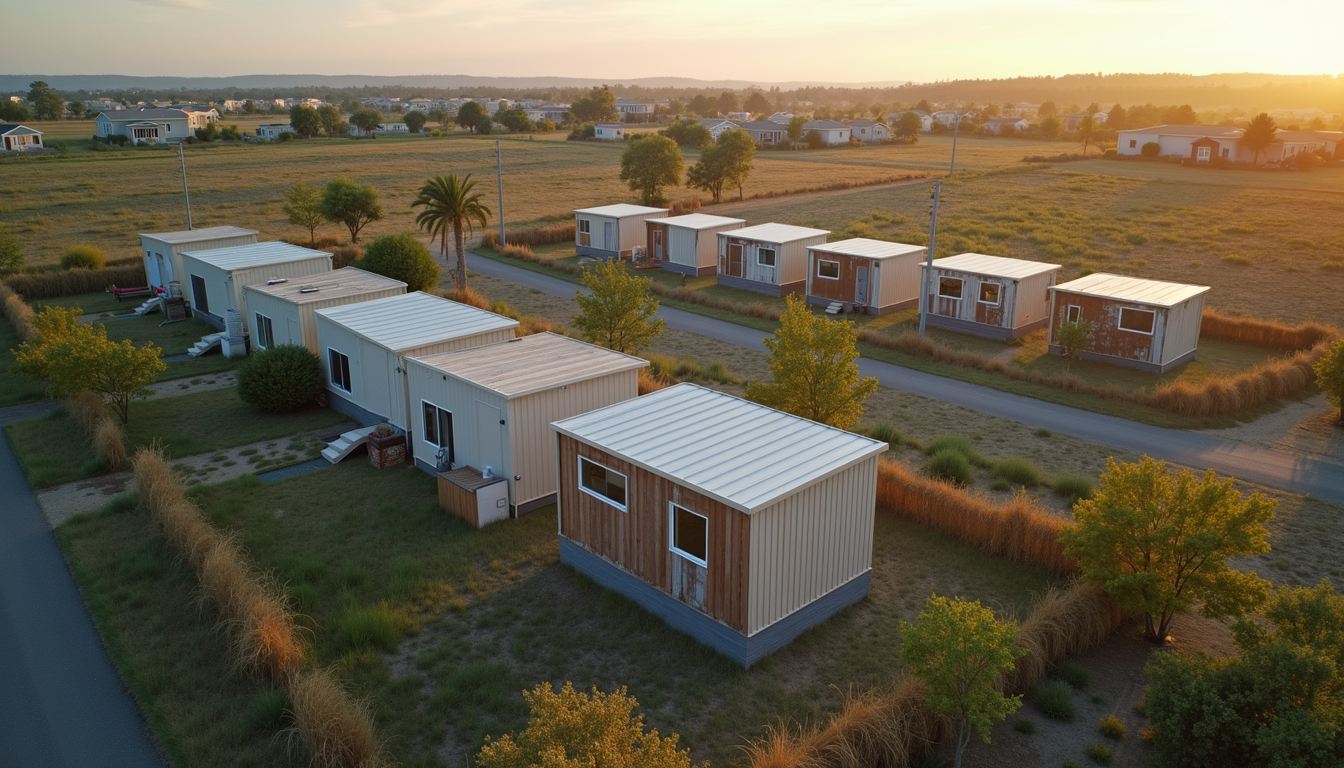
Innovative housing models like tiny homes and micro-apartments are gaining traction as cost-effective alternatives. These units maximize space efficiency and reduce utility expenses, making them suitable for individuals or small families on limited incomes.
While $500 per month may limit options in many metropolitan areas, exploring emerging affordable housing developments and leveraging government assistance programs can expand possibilities. Stakeholders should consider these factors when designing housing initiatives aimed at low-income populations.
Strategies for Sustainable and Scalable Housing Development
Sustainability and scalability are critical considerations in addressing global housing shortages. One effective strategy involves integrating community participation into the planning and construction process. Engaging local residents ensures that housing designs meet cultural preferences and practical needs, fostering a sense of ownership and long-term maintenance commitment.
Public-private partnerships (PPPs) also play a vital role in mobilizing resources and expertise. By combining government support with private sector innovation and investment, PPPs can accelerate project delivery and enhance financial viability. Incentives such as tax breaks, grants, and streamlined permitting processes encourage private enterprises to participate in affordable housing projects.
Moreover, adopting circular economy principles in construction can reduce environmental impact and costs. This includes recycling building materials, designing for disassembly, and utilizing renewable energy sources. Implementing green building certifications and standards ensures that housing developments meet environmental and social benchmarks.
Capacity building through training programs for local builders and contractors enhances the quality and sustainability of housing projects. Knowledge transfer and skill development contribute to the creation of resilient communities capable of maintaining and expanding housing infrastructure independently.
Policy Frameworks and Funding Mechanisms to Support Housing Initiatives
Effective policy frameworks are indispensable for fostering an environment conducive to affordable housing development. Governments must establish clear regulations that facilitate land acquisition, zoning, and construction approvals while protecting the rights of vulnerable populations. Policies promoting mixed-income developments and inclusionary zoning can prevent segregation and promote social cohesion.
Funding mechanisms are equally crucial. Innovative financing models such as social impact bonds, microfinance, and revolving loan funds provide alternative capital sources for housing projects. International aid and development grants can supplement domestic resources, particularly in disaster relief contexts.
Transparency and accountability in fund allocation ensure that resources reach intended beneficiaries and projects are completed as planned. Monitoring and evaluation systems help track progress and inform policy adjustments.
Collaboration among stakeholders, including financial institutions, community organizations, and technical experts, enhances the effectiveness of funding strategies. By aligning incentives and sharing risks, these partnerships can unlock new opportunities for affordable housing expansion.
Advancing Global Access to Rapid-Build Housing
The pursuit of rapid-build, sustainable, and affordable housing solutions is a multifaceted challenge requiring coordinated efforts across sectors and regions. Innovations in construction technology, material science, and digital tools offer unprecedented opportunities to meet this demand efficiently. However, success depends on integrating these advances with sound policy, community engagement, and robust financing.
Expanding the reach of these solutions to disaster-affected and underserved communities necessitates a global perspective and local adaptation. Tailoring housing designs to specific environmental and cultural contexts enhances resilience and acceptance.
As a leading provider of rapid-build housing, J. L. Filbey & Sons Capital Partners is committed to advancing these objectives by collaborating with governments, NGOs, and private enterprises worldwide. Through continuous innovation and strategic partnerships, the vision of accessible, quality housing for all can become a reality.
For more detailed information on practical affordable housing solutions, stakeholders are encouraged to explore specialized resources and engage with industry experts.

Planning a resilient housing project?
Request a Proposal