
Discovering Affordable Housing Options in the U.S.

The challenge of securing affordable housing remains a pressing concern across the United States. With rising living costs and fluctuating economic conditions, identifying viable housing options that meet budgetary constraints without compromising quality is essential. This exploration delves into the landscape of affordable housing options, highlighting practical approaches, government initiatives, and innovative solutions that address the needs of diverse populations, particularly those affected by disasters or underserved communities.
Understanding Affordable Housing Options in the U.S.
Affordable housing options encompass a broad spectrum of living arrangements designed to be financially accessible to individuals and families with limited income. These options range from subsidized rental units to ownership programs and innovative construction methods that reduce costs. The primary objective is to ensure that housing expenses do not exceed a reasonable portion of household income, typically defined as 30 percent or less.
Several factors influence the availability and accessibility of affordable housing:
- Location: Urban centers often have higher costs, while rural areas may offer more affordable alternatives.
- Housing Type: Apartments, single-family homes, manufactured housing, and modular units each present different cost structures.
- Income Eligibility: Many programs target households below specific income thresholds.
- Government and Private Sector Involvement: Collaboration between public agencies and private enterprises is crucial for expanding affordable housing stock.
For governments, NGOs, and private enterprises engaged in disaster relief and community development, understanding these variables is vital for implementing effective housing strategies.
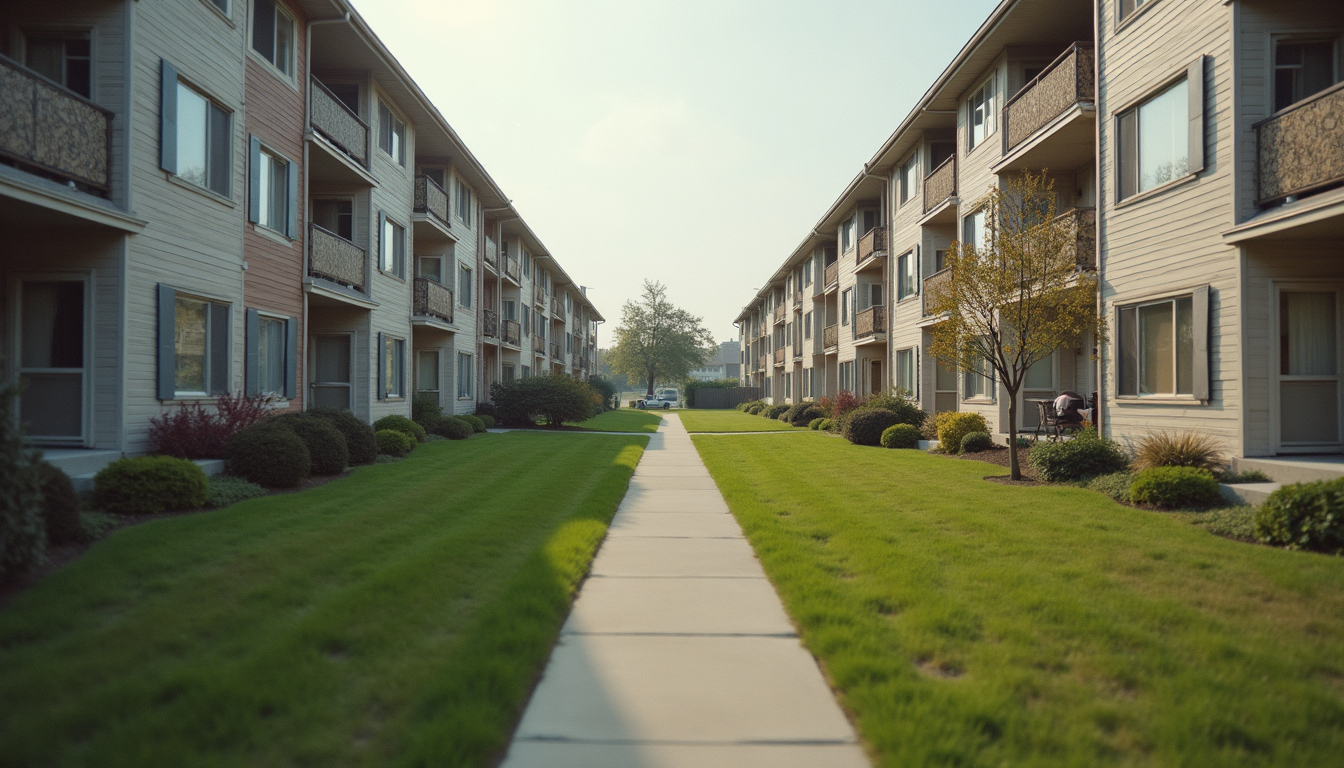
Key Affordable Housing Options Available Today
Navigating the affordable housing market requires familiarity with the primary options available. These include:
1. Subsidized Housing Programs
Subsidized housing remains a cornerstone of affordable housing initiatives. Programs such as the Section 8 Housing Choice Voucher Program provide rental assistance to eligible low-income families, enabling them to afford private market rentals. Public housing authorities manage these programs, ensuring compliance with income and occupancy guidelines.
2. Low-Income Housing Tax Credit (LIHTC) Properties
The LIHTC program incentivizes private developers to build or rehabilitate affordable rental housing by offering tax credits. These properties often have income restrictions and rent limits, making them accessible to moderate- and low-income households.
3. Manufactured and Modular Homes
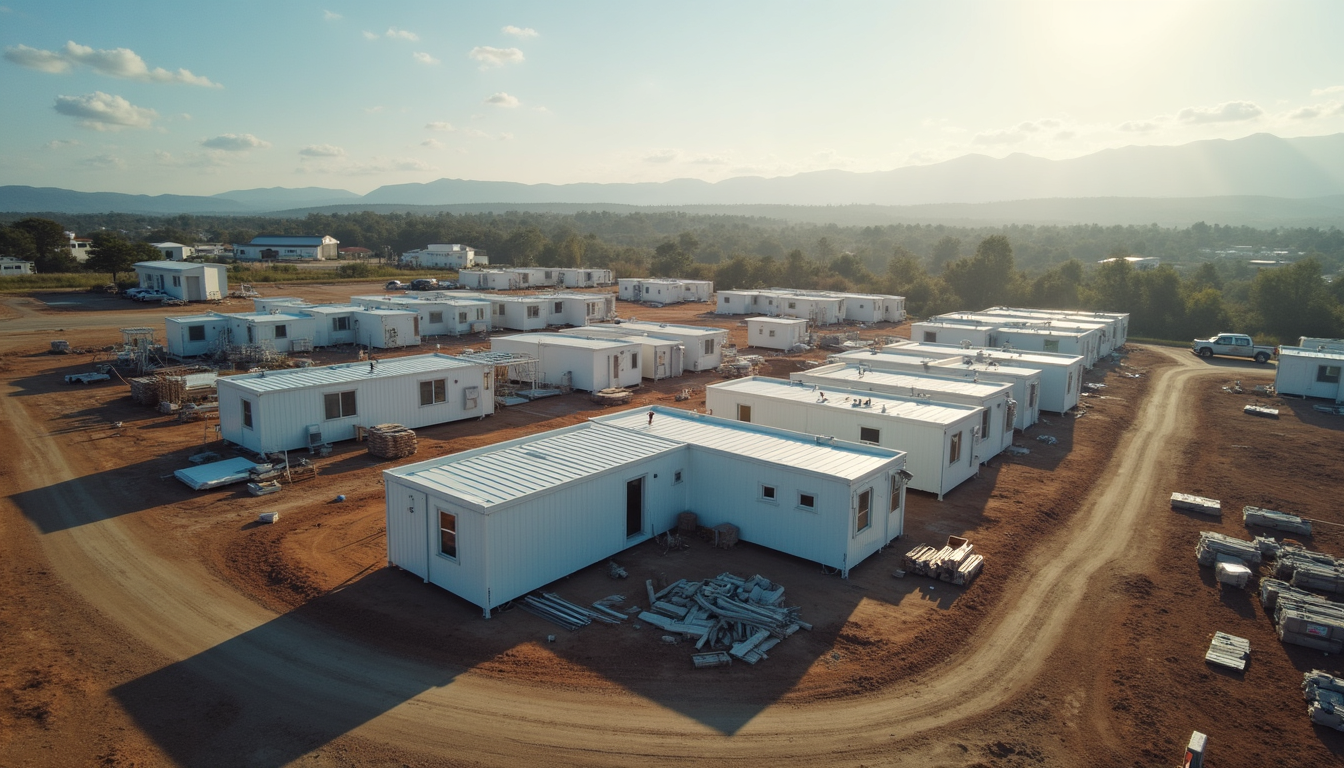
Manufactured and modular homes offer cost-effective alternatives to traditional construction. These homes are built in controlled factory environments, reducing labor and material costs while maintaining quality standards. Their rapid deployment capabilities make them particularly suitable for disaster relief scenarios.
4. Community Land Trusts (CLTs)
CLTs are nonprofit organizations that acquire and hold land to provide affordable housing opportunities. By separating land ownership from housing ownership, CLTs stabilize housing costs and prevent speculative price increases.
5. Shared Housing and Cooperative Models
Shared housing arrangements and housing cooperatives allow multiple individuals or families to share ownership or rental responsibilities, reducing individual financial burdens.
Each of these options presents unique advantages and challenges. Selecting the appropriate solution depends on the specific needs of the community, available resources, and long-term sustainability considerations.
What housing assistance programs are available in Sioux Falls?
Sioux Falls, South Dakota, exemplifies a city actively engaged in expanding affordable housing through various assistance programs. These initiatives aim to support low-income residents, veterans, and families affected by economic hardship or natural disasters.
Rental Assistance Programs
The Sioux Falls Housing and Redevelopment Commission administers rental assistance programs, including Section 8 vouchers, to help eligible households secure affordable rental units. These programs prioritize families with children, elderly residents, and individuals with disabilities.
Homebuyer Assistance
First-time homebuyer programs offer down payment assistance and favorable loan terms to encourage homeownership among low- and moderate-income families. These programs often include financial education components to ensure sustainable homeownership.
Emergency Housing and Disaster Relief
In response to natural disasters, Sioux Falls collaborates with state and federal agencies to provide temporary housing solutions. These include rapid deployment of manufactured homes and temporary shelters to displaced residents.
Supportive Housing Services
Supportive housing combines affordable housing with access to social services, targeting populations such as the homeless or those with chronic health conditions. Sioux Falls partners with NGOs to deliver these integrated services.
Understanding the scope and eligibility criteria of these programs enables stakeholders to effectively channel resources and support to those in need.
Innovative Approaches to Affordable Housing Development
The evolving landscape of affordable housing demands innovative approaches that enhance efficiency, sustainability, and scalability. Several trends and technologies are shaping the future of affordable housing development:
Rapid-Build Construction Techniques
Rapid-build methods, including prefabrication and modular construction, significantly reduce construction timelines and costs. These techniques are particularly advantageous in disaster relief contexts where immediate housing solutions are critical.
Sustainable and Energy-Efficient Designs
Incorporating green building practices reduces long-term operational costs for residents and minimizes environmental impact. Features such as solar panels, efficient insulation, and water-saving fixtures contribute to affordability over time.
Public-Private Partnerships (PPPs)
Collaborations between government entities and private developers leverage combined resources and expertise. PPPs facilitate the development of mixed-income communities that integrate affordable units with market-rate housing.
Technology Integration
Smart home technologies and digital platforms streamline property management, tenant communication, and maintenance, enhancing the overall housing experience and reducing administrative costs.
Community Engagement and Participatory Planning
Involving residents and local stakeholders in the planning process ensures that housing developments meet actual community needs and foster social cohesion.
These innovative strategies align with the mission of organizations like J. L. Filbey & Sons Capital Partners, which focus on delivering rapid-build, sustainable, and affordable housing solutions tailored to disaster relief and underserved populations.
Strategic Recommendations for Expanding Affordable Housing Access
To effectively expand affordable housing access, a multifaceted approach is necessary. The following recommendations provide actionable guidance for governments, NGOs, and private enterprises:
- Leverage Funding Opportunities: Utilize federal and state grants, tax credits, and philanthropic contributions to finance affordable housing projects.
- Adopt Flexible Zoning Policies: Encourage local governments to revise zoning regulations to permit higher-density developments, accessory dwelling units, and mixed-use projects.
- Invest in Rapid-Build Technologies: Prioritize construction methods that reduce costs and accelerate delivery, especially in disaster-affected areas.
- Foster Cross-Sector Collaboration: Establish partnerships among public agencies, private developers, and community organizations to pool resources and expertise.
- Implement Comprehensive Support Services: Integrate housing with social services such as job training, healthcare, and education to promote long-term stability.
- Promote Community Land Trusts and Cooperative Models: Support alternative ownership structures that maintain affordability and empower residents.
- Enhance Data Collection and Analysis: Use data-driven approaches to identify housing needs, monitor program effectiveness, and inform policy decisions.
By adopting these strategies, stakeholders can create resilient housing ecosystems that address both immediate needs and future challenges.
Embracing Affordable Housing Solutions for a Sustainable Future
The pursuit of affordable housing options in the United States is a complex yet vital endeavor. It requires a comprehensive understanding of available programs, innovative construction techniques, and collaborative frameworks. Organizations dedicated to providing rapid, sustainable, and affordable housing solutions play a pivotal role in transforming communities and improving quality of life.
For those engaged in disaster relief and community development, integrating these insights into strategic planning enhances the capacity to respond effectively to housing crises. The commitment to expanding affordable housing stock not only addresses current shortages but also lays the foundation for equitable and resilient communities.
To explore further how affordable housing solutions can be implemented effectively, stakeholders are encouraged to engage with industry leaders and leverage emerging technologies and partnerships.

Planning a resilient housing project?
Request a Proposal