
Explore Affordable DIY House Kits for Sale: A Practical Approach to Rapid Housing Solutions
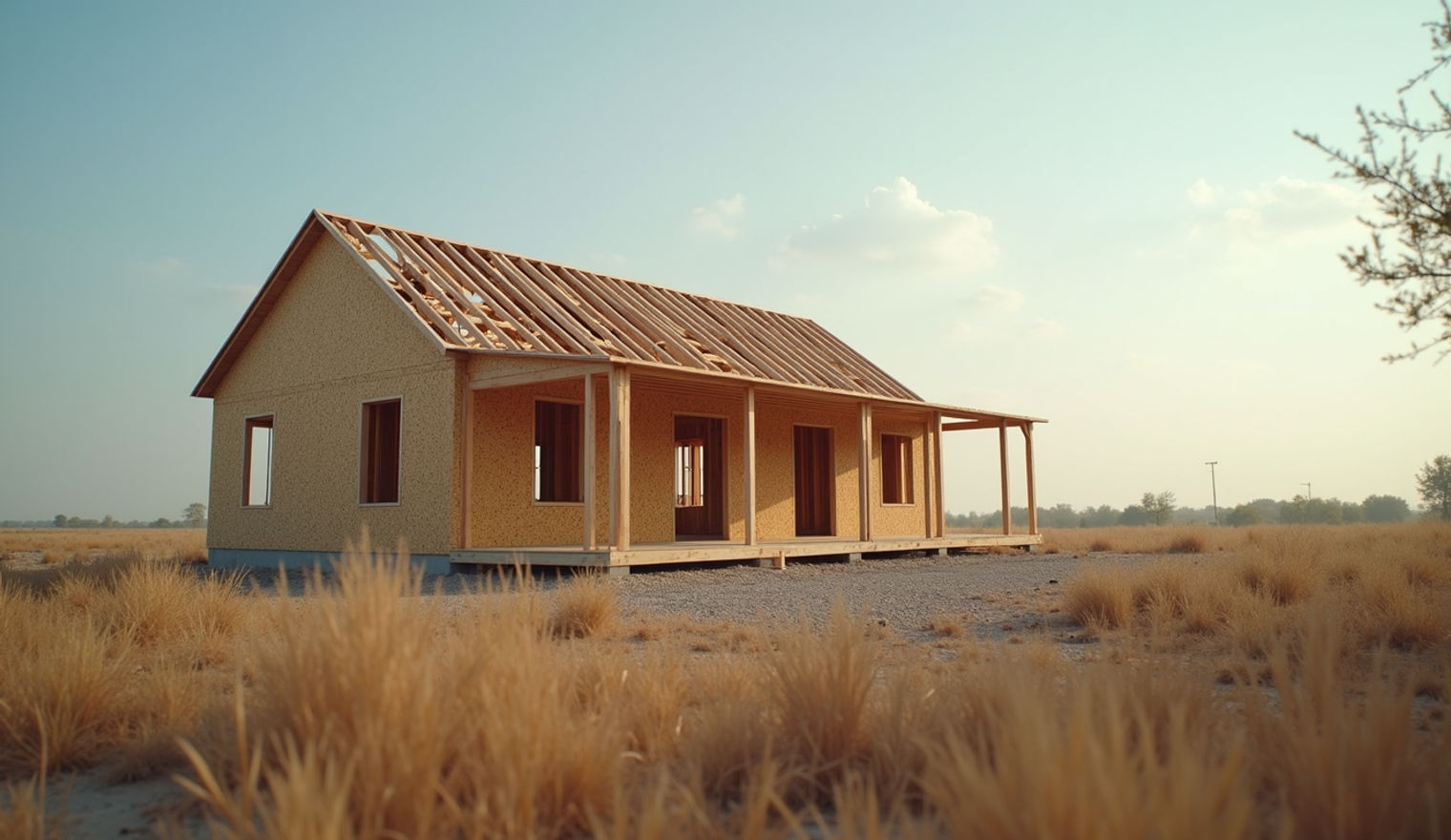
In the face of increasing global challenges such as natural disasters, population displacement, and housing shortages, the demand for rapid, cost-effective, and sustainable housing solutions has never been more critical. Affordable DIY house kits present a compelling option for governments, NGOs, and private enterprises seeking to address these urgent needs efficiently. These kits offer a streamlined approach to constructing durable homes with minimal specialized labor, reducing both time and financial investment.
Understanding Affordable House Kits: Definition and Benefits
Affordable house kits are pre-designed, prefabricated housing units that come with all necessary materials and instructions for assembly. These kits are engineered to be user-friendly, allowing for quick construction even in remote or resource-limited areas. The primary benefits include:
- Cost Efficiency: By standardizing components and minimizing waste, these kits significantly reduce construction expenses.
- Speed of Deployment: Prefabrication accelerates the building process, enabling rapid response in disaster relief scenarios.
- Sustainability: Many kits incorporate eco-friendly materials and energy-efficient designs, aligning with global sustainability goals.
Scalability: Modular designs allow for easy expansion or customization based on specific community needs.
For example, a government agency responding to a flood disaster can deploy affordable house kits to provide immediate shelter, ensuring displaced families have safe and secure housing within weeks rather than months.
Key Features of Affordable House Kits
When evaluating affordable house kits, several technical and practical features warrant close consideration:
Material Quality and Durability
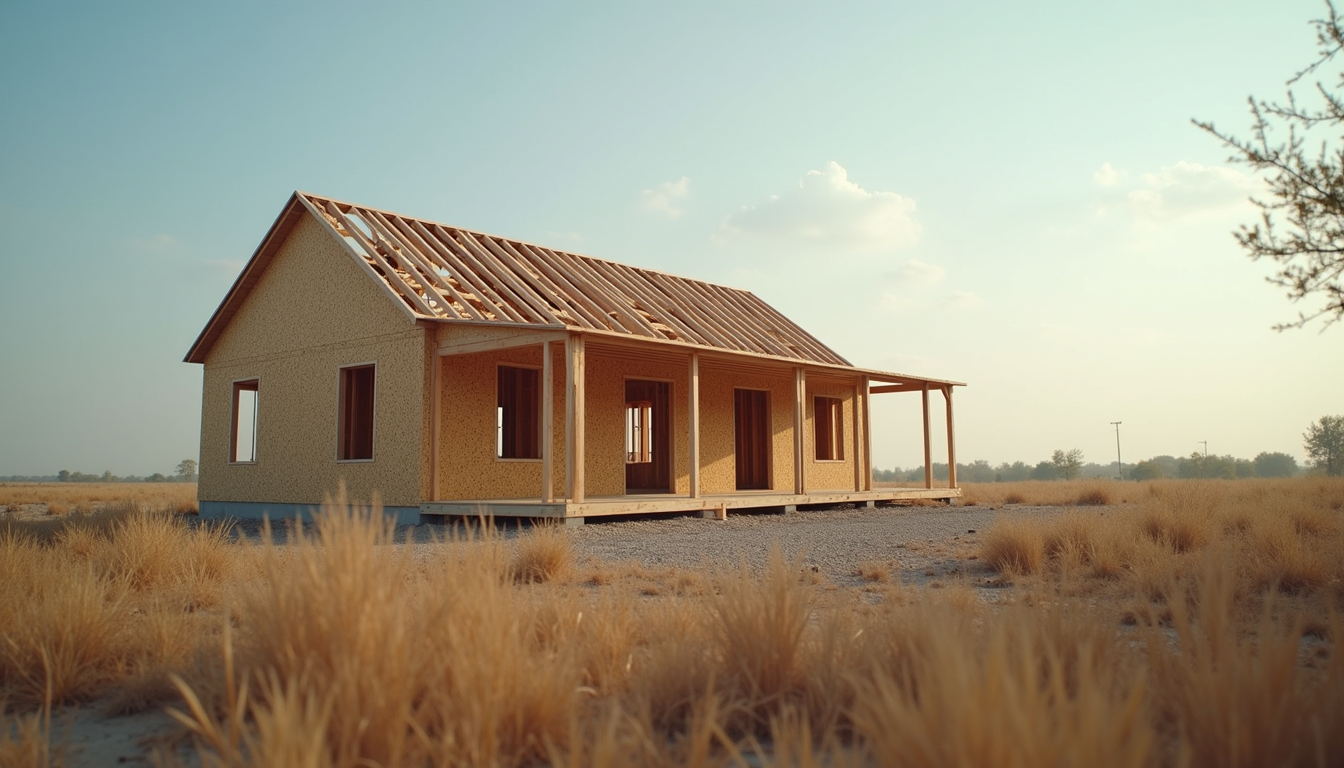
The longevity of a housing solution depends heavily on the materials used. High-grade steel frames, treated wood, and weather-resistant panels are common in quality kits. These materials ensure resilience against environmental stressors such as heavy rain, wind, and seismic activity.
Design Flexibility
Affordable house kits often come with multiple floor plans and customization options. This flexibility allows adaptation to various climates, cultural preferences, and family sizes. For instance, kits designed for tropical regions may include enhanced ventilation features, while those for colder climates might prioritize insulation.
Ease of Assembly
The hallmark of a successful DIY house kit is its straightforward assembly process. Clear, step-by-step instructions, often supplemented by video tutorials, enable teams with limited construction experience to erect homes efficiently. Additionally, kits are designed to minimize the need for specialized tools.
Transportability and Storage
Compact packaging and modular components facilitate easy transportation to remote or disaster-affected areas. This logistical advantage is crucial for rapid deployment and storage before assembly.
Practical Applications and Use Cases
Affordable house kits have proven invaluable in various contexts, particularly in disaster relief and underserved community development.
Disaster Relief Housing
In the aftermath of earthquakes, hurricanes, or floods, immediate shelter is paramount. Affordable house kits can be pre-positioned in strategic locations, ready for rapid deployment. Their quick assembly reduces the time displaced populations spend in temporary shelters, mitigating health risks and improving overall well-being.
Affordable Housing Initiatives
Governments and NGOs aiming to alleviate housing shortages can leverage these kits to construct entire communities. The modular nature allows phased development, aligning with budgetary constraints and population growth.
Remote and Underserved Areas
In regions lacking infrastructure or skilled labor, affordable house kits provide a viable solution. Their self-contained nature reduces dependency on local supply chains and expertise, enabling sustainable development in isolated locations.
Selecting the Right DIY House Kit for Your Needs
Choosing an appropriate kit requires a systematic evaluation of several factors:
- Budget Constraints: Determine the total available funding, including transportation and assembly costs.
- Site Conditions: Assess the geographical and climatic conditions to select suitable materials and designs.
- Intended Use: Define whether the housing is temporary or permanent, which influences durability requirements.
- Local Regulations: Ensure compliance with building codes and zoning laws.
Community Input: Engage with future occupants to incorporate cultural and functional preferences.
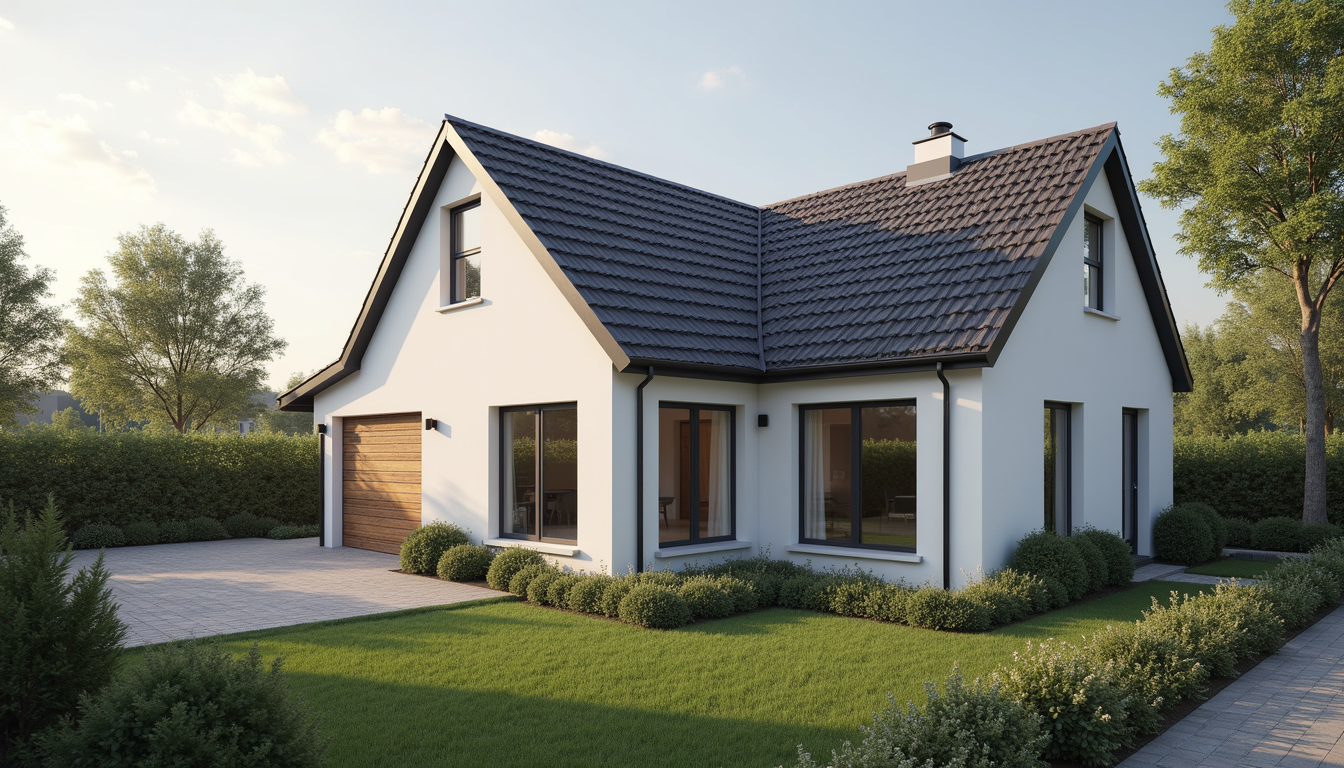
It is advisable to consult with architects and engineers experienced in prefabricated housing to optimize the selection process. Additionally, exploring diy house kits for sale can provide a comprehensive overview of available options tailored to specific project requirements.
Implementing Affordable House Kits: Best Practices
Successful deployment of affordable house kits hinges on meticulous planning and coordination:
- Training and Capacity Building: Equip local teams with the necessary skills through workshops and hands-on training sessions.
- Logistics Management: Develop detailed plans for transportation, storage, and site preparation to avoid delays.
- Quality Control: Establish inspection protocols during assembly to ensure structural integrity and safety.
- Community Engagement: Foster collaboration with local stakeholders to enhance acceptance and sustainability.
Post-Construction Support: Provide maintenance guidelines and support services to prolong the lifespan of the housing units.
By adhering to these best practices, organizations can maximize the impact of their housing initiatives, delivering safe and dignified shelter to those in need.
Future Trends in Affordable Housing Solutions
The landscape of affordable housing is evolving rapidly, driven by technological advancements and shifting societal priorities. Emerging trends include:
- Smart Home Integration: Incorporating IoT devices for energy management and security.
- Advanced Materials: Utilizing composites and recycled materials to enhance sustainability.
- 3D Printing: Exploring additive manufacturing for on-site construction.
Renewable Energy Systems: Integrating solar panels and rainwater harvesting to reduce environmental footprints.
Staying abreast of these developments will enable stakeholders to adopt innovative solutions that further improve affordability, efficiency, and resilience.
Affordable DIY house kits represent a transformative approach to addressing global housing challenges. Their combination of cost-effectiveness, rapid deployment, and adaptability makes them indispensable tools for governments, NGOs, and private enterprises committed to sustainable development and disaster relief. By carefully selecting and implementing these kits, organizations can deliver meaningful, long-lasting impact to vulnerable populations worldwide.
Planning a resilient housing project?
Request a Proposal