
Exploring Cost-Effective Housing Options for Modern Communities

The challenge of providing cost-effective housing options to modern communities is a pressing concern worldwide. Rapid urbanization, economic disparities, and the increasing frequency of natural disasters have intensified the demand for sustainable and affordable living spaces. Governments, NGOs, and private enterprises are actively seeking innovative strategies to address this need, especially in underserved and disaster-affected regions. This article explores various approaches to affordable housing, emphasizing practical solutions that balance cost, sustainability, and rapid deployment.
Understanding the Need for Cost-Effective Housing Options
The global housing crisis is multifaceted, involving economic, social, and environmental dimensions. Traditional construction methods often prove too slow and expensive to meet urgent demands, particularly in disaster relief scenarios. Moreover, the environmental impact of conventional building materials and techniques necessitates a shift toward greener alternatives.
Cost-effective housing options must therefore satisfy several criteria:
- Affordability: Reducing upfront and maintenance costs to ensure accessibility.
- Speed of construction: Enabling rapid deployment, especially in emergency contexts.
- Sustainability: Utilizing eco-friendly materials and energy-efficient designs.
Durability: Ensuring resilience against environmental hazards and long-term wear.
By integrating these factors, stakeholders can develop housing solutions that not only provide shelter but also foster community stability and economic growth.
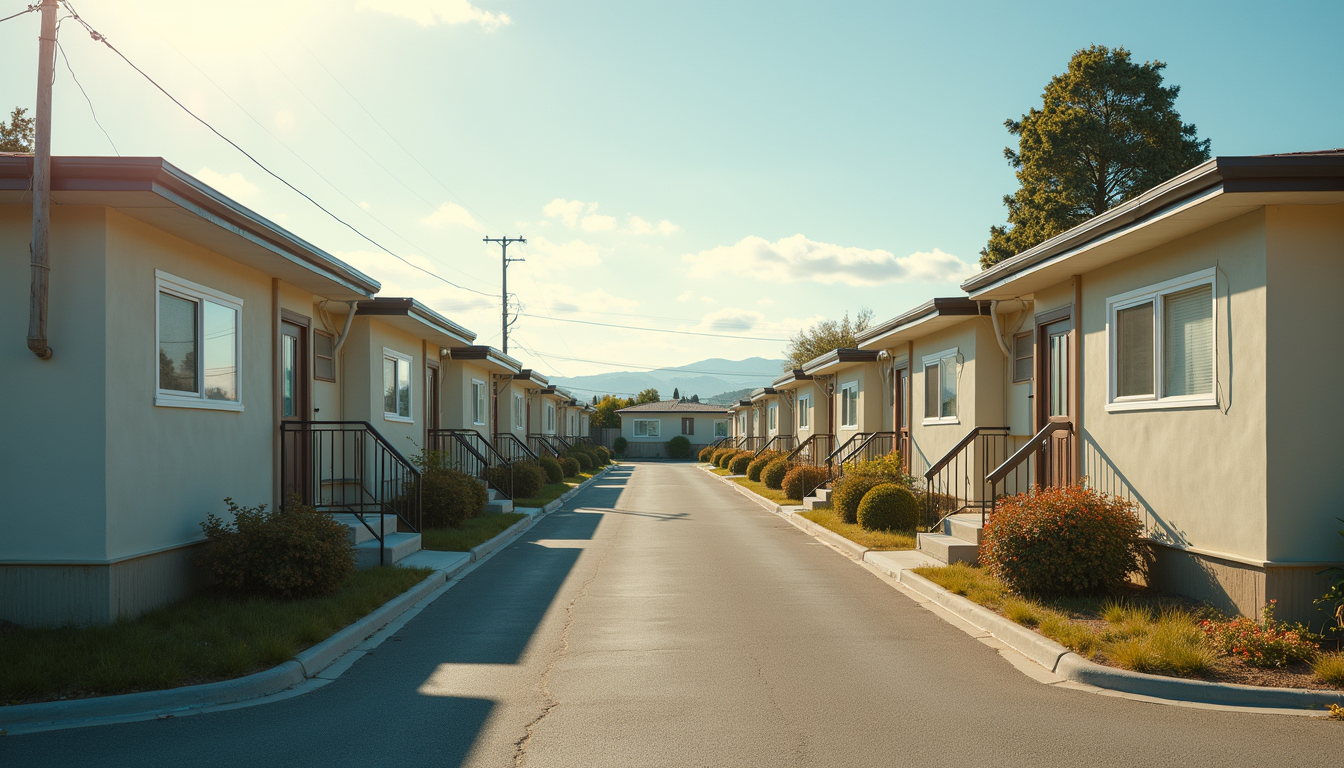
Innovative Cost-Effective Housing Options
Several innovative approaches have emerged as viable cost-effective housing options. These methods leverage advancements in technology, materials science, and design to optimize resource use and reduce costs.
Modular and Prefabricated Construction
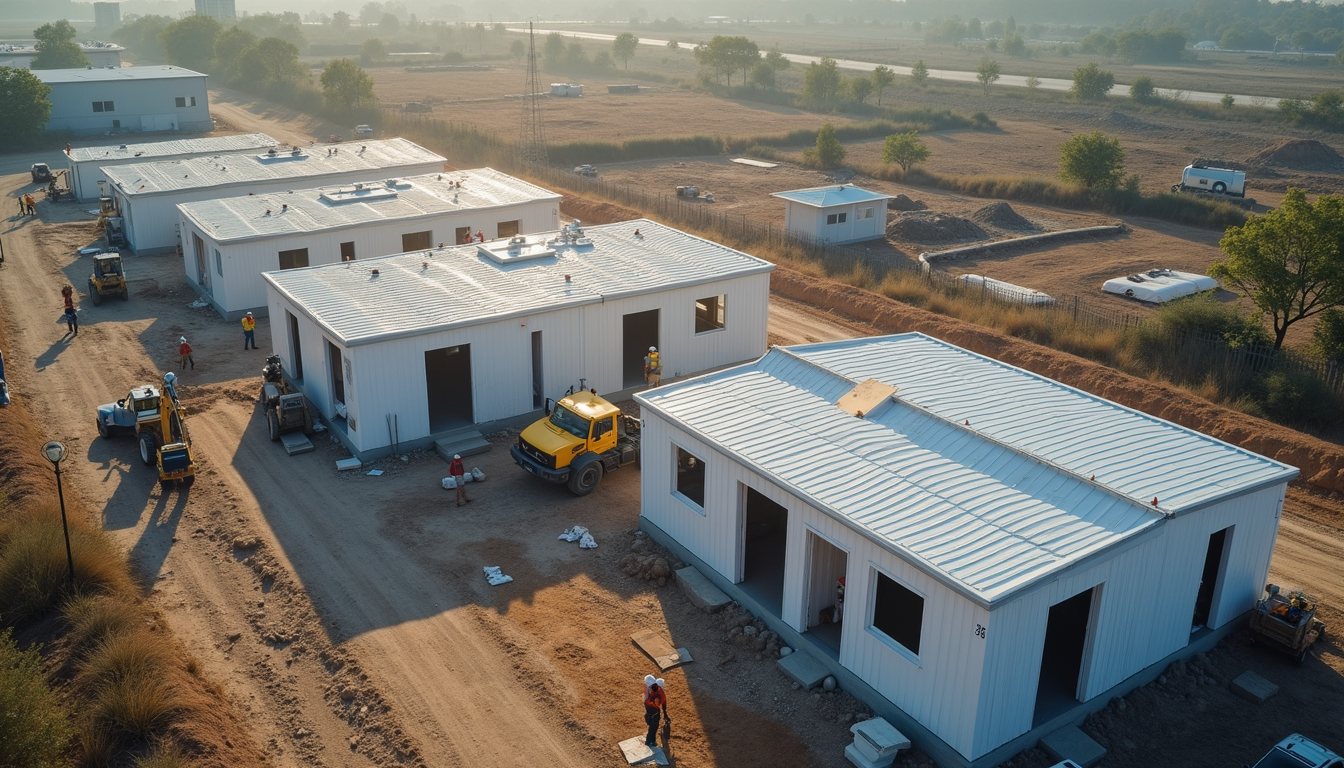
Modular construction involves fabricating building components off-site in controlled factory settings. These modules are then transported and assembled on-site, significantly reducing construction time and labor costs. Prefabricated homes can be customized to meet local needs and environmental conditions.
Advantages:
- Reduced construction waste.
- Faster project completion.
- Consistent quality control.
Lower labor costs.
3D Printing Technology
3D printing in construction is revolutionizing the industry by enabling the creation of complex structures with minimal material waste. This technology can produce entire walls or housing units using concrete or composite materials, often at a fraction of the traditional cost.
Benefits include:
- Rapid production of housing units.
- Customizable designs.
- Reduced reliance on skilled labor.
Potential for on-site printing, minimizing transportation costs.
Use of Sustainable and Recycled Materials
Incorporating sustainable materials such as bamboo, recycled plastics, and reclaimed wood can lower environmental impact and material expenses. These materials often provide excellent insulation and durability, contributing to energy efficiency.
Examples:
- Bamboo framing in tropical regions.
- Recycled plastic bricks for wall construction.
Rammed earth techniques using local soil.
Adaptive Reuse of Existing Structures
Transforming underutilized buildings into residential units is a cost-effective strategy that preserves cultural heritage and reduces urban sprawl. This approach can revitalize neighborhoods and provide affordable housing without extensive new construction.
Key considerations:
- Structural integrity assessments.
- Compliance with modern building codes.
Integration of energy-efficient systems.
What Disqualifies You from Public Housing in Tennessee?
While public housing programs aim to assist low-income families, certain criteria can disqualify applicants. Understanding these disqualifications is essential for stakeholders involved in housing policy and program implementation.
Common Disqualifying Factors
- Income Limits: Applicants exceeding specified income thresholds are ineligible.
- Criminal History: Certain convictions, particularly related to drug offenses or violent crimes, may result in disqualification.
- Previous Evictions: A history of eviction from public housing or subsidized programs can affect eligibility.
- Non-Citizenship: Applicants must typically be U.S. citizens or have eligible immigration status.
Failure to Comply with Program Rules: Violations of lease agreements or program regulations can lead to removal or denial.
Implications for Housing Providers
Understanding these disqualifications helps in designing inclusive programs that balance fairness with community safety. It also underscores the need for alternative affordable housing options for those who do not qualify for public housing.
Strategies for Implementing Affordable Housing Solutions
To effectively address housing shortages, stakeholders must adopt comprehensive strategies that incorporate policy, finance, and community engagement.
Public-Private Partnerships (PPPs)
Collaborations between government entities and private developers can leverage resources and expertise. PPPs facilitate the development of affordable housing projects by sharing risks and benefits.
Key elements:
- Clear contractual agreements.
- Incentives such as tax credits or subsidies.
Transparent monitoring and evaluation.
Innovative Financing Models
Access to capital is a significant barrier in affordable housing development. Innovative financing mechanisms include:
- Social impact bonds: Investors fund projects with returns linked to social outcomes.
- Community land trusts: Nonprofits acquire land to ensure long-term affordability.
Microfinance and cooperative ownership: Empowering residents to invest in their housing.
Incorporating Technology and Data Analytics
Utilizing data analytics can optimize site selection, design, and resource allocation. Technologies such as Geographic Information Systems (GIS) help identify areas with the greatest need and potential for development.
Community Involvement and Capacity Building
Engaging local communities in planning and decision-making ensures that housing solutions meet actual needs. Capacity building through training and education fosters sustainable maintenance and management.
Future Directions in Affordable Housing Development
The future of affordable housing lies in integrating emerging technologies with sustainable practices and inclusive policies. Rapid urbanization and climate change will continue to challenge traditional approaches, necessitating adaptive and resilient solutions.
Emphasis on Sustainability and Resilience
Housing must withstand environmental stresses while minimizing ecological footprints. Innovations in renewable energy integration, water conservation, and green building certifications will become standard.
Expansion of Rapid-Build Technologies
Rapid-build methods, including modular and 3D-printed homes, will play a crucial role in disaster relief and emergency housing. Scaling these technologies globally requires investment in research and infrastructure.
Policy Reforms and Global Collaboration
Harmonizing policies across regions and fostering international cooperation can accelerate the dissemination of best practices. Sharing knowledge and resources will enhance the effectiveness of affordable housing initiatives.
In summary, addressing the housing needs of modern communities demands a multifaceted approach that prioritizes cost-effectiveness, sustainability, and rapid deployment. By embracing innovative construction methods, financing models, and community engagement, stakeholders can develop resilient housing solutions that serve vulnerable populations and contribute to long-term social and economic stability. For those seeking to explore further, affordable housing solutions offer a comprehensive framework to guide these efforts.
Planning a resilient housing project?
Request a Proposal