
Exploring Innovative Housing Strategies for Affordable Living

The global demand for affordable housing has never been more pressing. Rapid urbanization, population growth, and economic disparities have intensified the need for effective, scalable, and sustainable housing solutions. As a professional deeply engaged in the housing sector, I have observed that traditional approaches often fall short in addressing the multifaceted challenges faced by underserved communities and disaster-affected regions. This article explores innovative housing strategies that can transform the landscape of affordable housing, particularly for governments, NGOs, and private enterprises involved in disaster relief and community development.
Embracing Innovative Housing Strategies for Sustainable Development
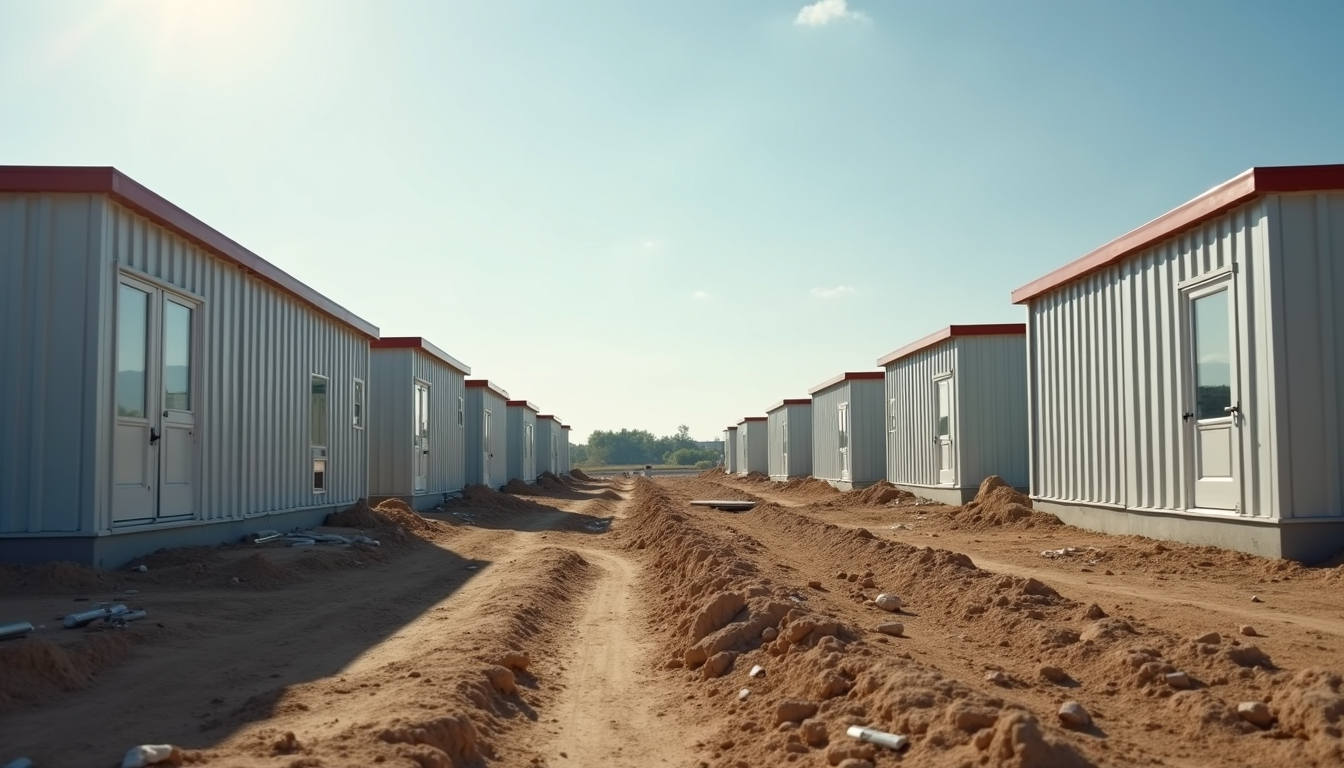
Innovative housing strategies encompass a broad spectrum of approaches that leverage technology, design, and policy to create cost-effective and resilient living spaces. These strategies prioritize sustainability, rapid deployment, and adaptability to diverse environments. One notable trend is the integration of modular construction techniques, which allow for prefabricated components to be assembled quickly on-site. This method significantly reduces construction time and labor costs while maintaining quality standards.
Another promising approach involves the use of alternative building materials such as recycled plastics, bamboo, and compressed earth blocks. These materials not only lower expenses but also minimize environmental impact. For instance, bamboo, a fast-growing and renewable resource, has been successfully utilized in tropical regions to construct durable and aesthetically pleasing homes.
Governments and NGOs can also benefit from adopting digital tools like Building Information Modeling (BIM) and Geographic Information Systems (GIS) to optimize site selection, resource allocation, and project management. These technologies enhance decision-making processes and ensure that housing projects meet the specific needs of target populations.
Leveraging Technology to Accelerate Affordable Housing Solutions
The intersection of technology and housing development has opened new avenues for addressing affordability challenges. 3D printing, for example, has emerged as a revolutionary technique capable of producing entire homes with minimal human intervention. This technology reduces material waste and labor costs, enabling the construction of durable structures within days rather than months.
In addition to 3D printing, smart home technologies are being integrated into affordable housing to improve energy efficiency and occupant comfort. Solar panels, energy-efficient appliances, and automated climate control systems contribute to lower utility bills, making housing more affordable in the long term.
Furthermore, digital platforms facilitate community engagement and transparency throughout the housing development process. By involving residents and stakeholders early on, projects can be tailored to local cultural and social contexts, enhancing acceptance and sustainability.

What Disqualifies You from Public Housing in Tennessee?
Understanding eligibility criteria is crucial for effective housing policy implementation. In Tennessee, several factors can disqualify applicants from public housing programs. These include:
- Criminal history: Certain convictions, particularly those related to drug offenses or violent crimes, may result in disqualification.
- Income limits: Applicants must meet specific income thresholds, which vary by household size and local median income.
- Previous evictions: A history of eviction due to non-payment or lease violations can affect eligibility.
Failure to comply with program rules: This includes providing false information or not adhering to lease agreements in prior housing assistance programs.
These disqualifications aim to ensure that limited resources are allocated to those most in need while maintaining safe and stable communities. However, they also highlight the importance of developing alternative affordable housing options for individuals who may not qualify for public housing.
Collaborative Models for Expanding Housing Access
Addressing the affordable housing crisis requires collaboration among multiple stakeholders. Public-private partnerships (PPPs) have proven effective in pooling resources, expertise, and risk-sharing to deliver housing projects at scale. Governments can provide land or subsidies, while private enterprises contribute capital and technical know-how.
Non-governmental organizations play a vital role in community outreach, needs assessment, and ensuring that housing solutions are culturally appropriate and inclusive. By fostering partnerships that align incentives and leverage diverse capabilities, it is possible to accelerate the delivery of affordable housing.
Microfinance and cooperative housing models also offer innovative pathways. Microfinance institutions provide small loans to low-income families, enabling them to build or improve homes incrementally. Cooperative housing, where residents collectively own and manage properties, promotes affordability and social cohesion.
Policy Innovations to Support Rapid-Build Housing Initiatives
Effective policy frameworks are essential to facilitate the adoption of innovative housing strategies. Streamlining permitting processes and reducing bureaucratic hurdles can significantly shorten project timelines. Some jurisdictions have introduced fast-track approvals for modular and prefabricated housing, recognizing their potential to address urgent housing needs.
Incentives such as tax credits, grants, and low-interest loans encourage private sector investment in affordable housing. Additionally, zoning reforms that allow for higher density and mixed-use developments can increase housing supply without expanding urban footprints.
Disaster relief housing benefits from policies that prioritize rapid deployment and flexibility. Establishing pre-approved designs and contracts with manufacturers of rapid-build units ensures readiness when emergencies occur.
By integrating these policy measures, governments can create an enabling environment that supports innovation and expands access to affordable housing.
Advancing the Future of Affordable Housing
The pursuit of affordable housing solutions demands a multifaceted approach that combines technological innovation, collaborative partnerships, and supportive policies. As I have observed, the integration of modular construction, alternative materials, and digital tools offers a promising path forward. Moreover, understanding eligibility constraints and fostering inclusive models ensures that housing initiatives reach those most in need.
Organizations like J. L. Filbey & Sons Capital Partners exemplify the commitment to delivering rapid-build, sustainable, and affordable housing worldwide. Their focus on disaster relief and underserved communities aligns with the urgent global imperative to provide safe and dignified shelter for all.
By embracing these innovative housing strategies, stakeholders can make significant strides toward resolving the affordable housing crisis and building resilient communities for the future.
For more information on affordable housing solutions, please visit the official site.
Planning a resilient housing project?
Request a Proposal