
Exploring Innovative Housing Strategies for Modern Communities

The challenge of providing affordable, sustainable housing in modern communities is a pressing concern for governments, NGOs, and private enterprises worldwide. Rapid urbanization, economic disparities, and the increasing frequency of natural disasters have intensified the demand for effective housing solutions. As an expert in the field, I have observed that innovative housing strategies are essential to address these multifaceted issues. This article explores various approaches that can be implemented to create resilient, cost-effective, and scalable housing options, particularly for disaster relief and underserved populations.
The Importance of Innovative Housing Strategies
Innovative housing strategies are not merely about constructing buildings; they encompass a holistic approach to urban planning, resource management, and community engagement. These strategies aim to optimize land use, reduce construction costs, and enhance the quality of life for residents. For instance, modular construction techniques allow for rapid assembly and customization, significantly reducing the time and labor required compared to traditional methods.
One notable example is the use of prefabricated components that can be manufactured off-site and transported to the location for quick installation. This method minimizes waste and environmental impact while ensuring consistent quality. Additionally, integrating renewable energy sources such as solar panels and rainwater harvesting systems can make these homes more self-sufficient and sustainable.
Governments and NGOs can leverage these strategies to develop housing projects that are both affordable and resilient to environmental challenges. By adopting a data-driven approach, stakeholders can identify the most vulnerable areas and tailor solutions accordingly, ensuring that resources are allocated efficiently.
Key Innovative Housing Strategies for Modern Communities
Several innovative housing strategies have emerged as effective tools to combat the housing crisis. These include:
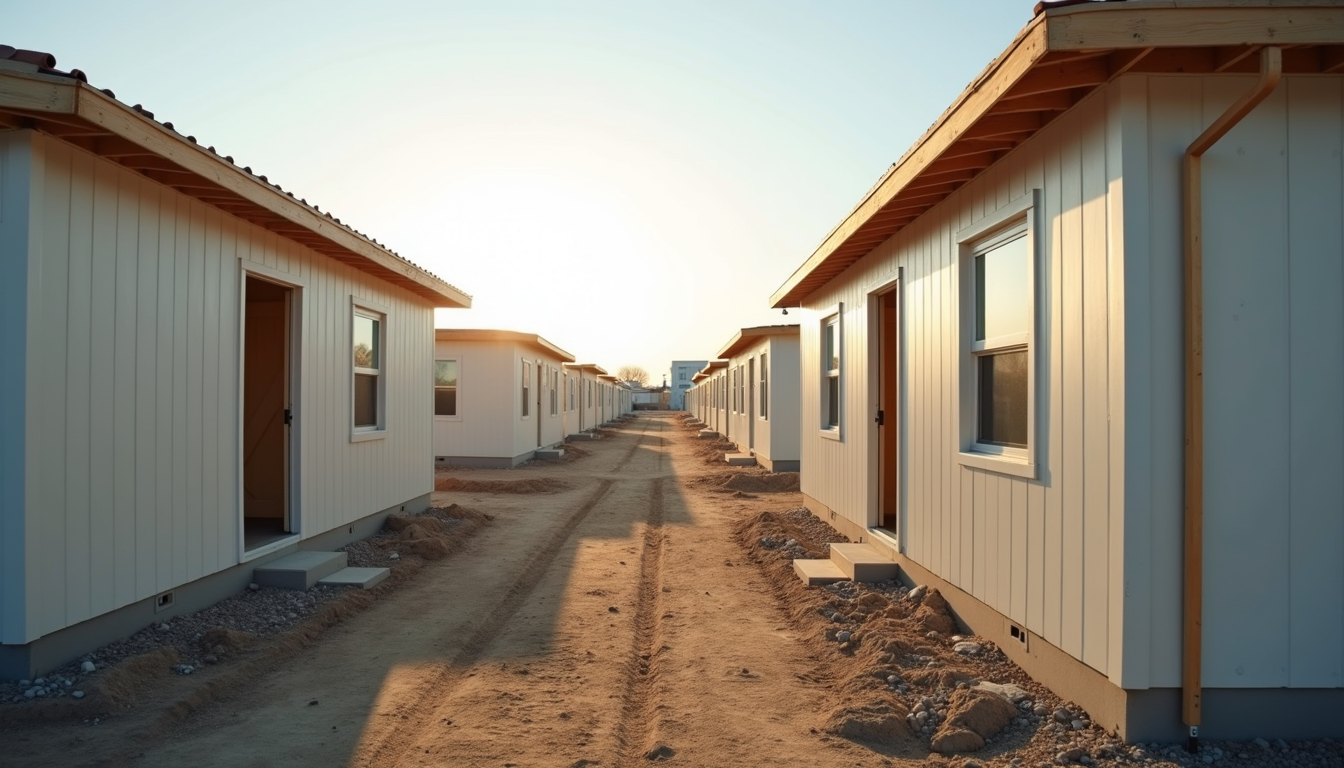
Modular and Prefabricated Housing
Modular housing involves constructing sections of a building in a factory setting before transporting them to the site for assembly. This approach reduces construction time and costs while maintaining high standards of quality control. Prefabricated housing can be customized to meet specific community needs, including accessibility features and energy efficiency.
Adaptive Reuse of Existing Structures
Repurposing underutilized buildings such as warehouses, schools, or office spaces into residential units can provide affordable housing without the need for new construction. This strategy preserves cultural heritage and reduces urban sprawl.
Micro-Housing and Co-Living Spaces
Micro-housing offers compact, efficient living spaces that maximize functionality. Co-living arrangements promote shared amenities and communal living, reducing individual costs and fostering social interaction.
Sustainable Building Materials
Utilizing eco-friendly materials such as recycled steel, bamboo, and rammed earth can lower environmental impact and improve building durability. These materials often require less energy to produce and can be sourced locally, supporting regional economies.
Smart Urban Planning
Integrating affordable housing within mixed-use developments ensures access to essential services, public transportation, and employment opportunities. Smart planning also involves creating green spaces and pedestrian-friendly environments to enhance livability.
These strategies, when combined, create a comprehensive framework for addressing housing needs in diverse contexts. For example, a disaster-affected area might benefit from modular homes equipped with solar panels and water recycling systems, rapidly deployed to provide immediate shelter while supporting long-term sustainability.
What disqualifies you from public housing in Tennessee?
Understanding eligibility criteria for public housing is crucial for effective policy implementation and community outreach. In Tennessee, several factors can disqualify applicants from receiving public housing assistance. These include:
- Criminal History: Individuals with certain felony convictions, particularly those related to drug offenses or violent crimes, may be ineligible.
- Income Limits: Applicants must meet specific income thresholds, which vary by family size and local median income levels.
- Eviction Records: A history of eviction due to non-payment or lease violations can disqualify applicants.
- Citizenship Status: Only U.S. citizens or eligible non-citizens can qualify for public housing.
Failure to Comply with Program Rules: This includes providing false information or failing to meet residency requirements.
These disqualifications are designed to ensure that public housing resources are allocated to those most in need and capable of maintaining tenancy. However, they also highlight the importance of complementary affordable housing solutions that can serve individuals who do not qualify for public programs.
Leveraging Technology and Data for Housing Development
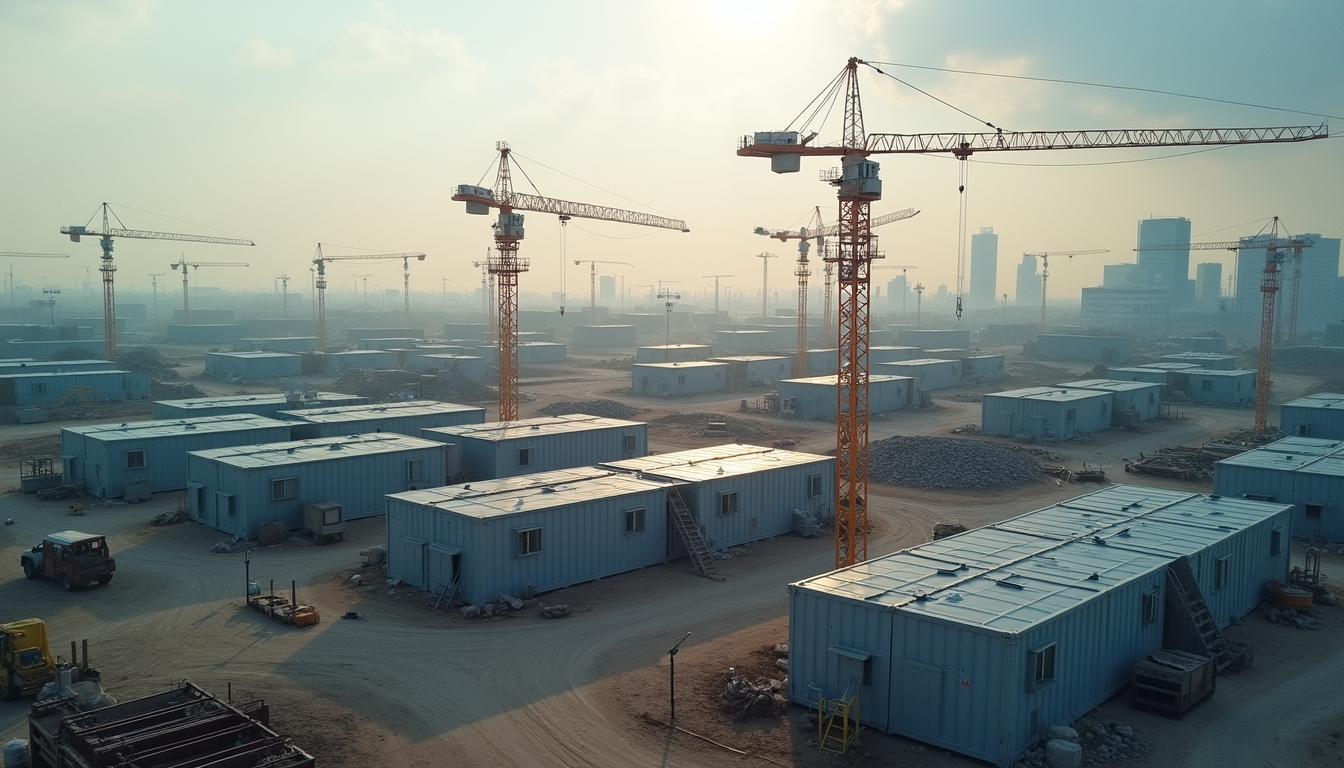
The integration of technology and data analytics plays a pivotal role in advancing innovative housing strategies. Geographic Information Systems (GIS) enable planners to map vulnerable populations, assess land suitability, and optimize infrastructure placement. This data-driven approach facilitates targeted interventions and efficient resource allocation.
Building Information Modeling (BIM) enhances the design and construction process by creating detailed digital representations of buildings. BIM allows for better coordination among architects, engineers, and contractors, reducing errors and delays. It also supports lifecycle management, enabling maintenance and upgrades to be planned proactively.
Furthermore, the use of drones and remote sensing technologies can accelerate site surveys and monitor construction progress, particularly in hard-to-reach or disaster-affected areas. These tools improve safety and provide real-time data to stakeholders.
By embracing these technological advancements, housing developers can increase precision, reduce costs, and deliver projects that meet the evolving needs of modern communities.
Practical Recommendations for Implementing Affordable Housing Solutions
To effectively implement affordable housing solutions, stakeholders should consider the following actionable recommendations:
- Engage Community Stakeholders Early: Involving residents, local leaders, and service providers in the planning process ensures that housing projects address actual needs and gain community support.
- Prioritize Flexibility and Scalability: Designs should accommodate future expansion or adaptation to changing demographics and environmental conditions.
- Secure Diverse Funding Sources: Combining public funds, private investment, and philanthropic contributions can enhance financial sustainability.
- Incorporate Resilience Measures: Buildings should be designed to withstand natural disasters, incorporating features such as elevated foundations, reinforced structures, and emergency power supplies.
- Promote Policy Alignment: Coordination among government agencies, NGOs, and private enterprises is essential to streamline regulations and facilitate project approvals.
Invest in Workforce Development: Training local labor forces in modern construction techniques supports economic development and ensures quality workmanship.
By following these guidelines, housing initiatives can achieve greater impact and longevity, ultimately improving living conditions for vulnerable populations.
Future Directions in Affordable Housing Development
Looking ahead, the future of affordable housing lies in the continued integration of innovation, sustainability, and social equity. Emerging trends such as 3D printing of homes, smart home technologies, and circular economy principles offer promising avenues for reducing costs and environmental footprints.
Moreover, the global focus on climate change adaptation necessitates housing solutions that are not only affordable but also resilient to extreme weather events. This requires ongoing research, cross-sector collaboration, and the willingness to adopt novel approaches.
As J. L. Filbey & Sons Capital Partners strives to lead in rapid-build, sustainable housing, the emphasis on scalable, adaptable models will be paramount. Expanding partnerships with governments, NGOs, and private enterprises worldwide will facilitate the dissemination of best practices and the replication of successful projects.
Ultimately, the goal is to create communities where every individual has access to safe, dignified, and affordable housing, contributing to broader social and economic stability.
This exploration of innovative housing strategies underscores the critical role of thoughtful design, technology, and collaboration in addressing the global housing challenge. By embracing these principles, stakeholders can develop effective, sustainable solutions that meet the needs of modern communities.
For more information on affordable housing solutions, please visit the official resource.
Planning a resilient housing project?
Request a Proposal