
Exploring Sustainable Housing Options for Modern Needs

The global demand for housing continues to rise, driven by population growth, urbanization, and the increasing frequency of natural disasters. Addressing this demand requires innovative approaches that balance cost, speed, and environmental impact. Sustainable housing options have emerged as a critical focus for governments, NGOs, and private enterprises aiming to provide rapid, durable, and eco-friendly shelter solutions. This article explores various strategies and technologies that meet modern housing needs while emphasizing sustainability and affordability.
The Importance of Sustainable Housing Options in Contemporary Development
Sustainable housing options are designed to minimize environmental impact while maximizing resource efficiency and occupant well-being. These solutions incorporate renewable materials, energy-efficient systems, and adaptable designs that can withstand changing climatic conditions. The integration of sustainability principles in housing development is no longer optional but essential for long-term resilience.
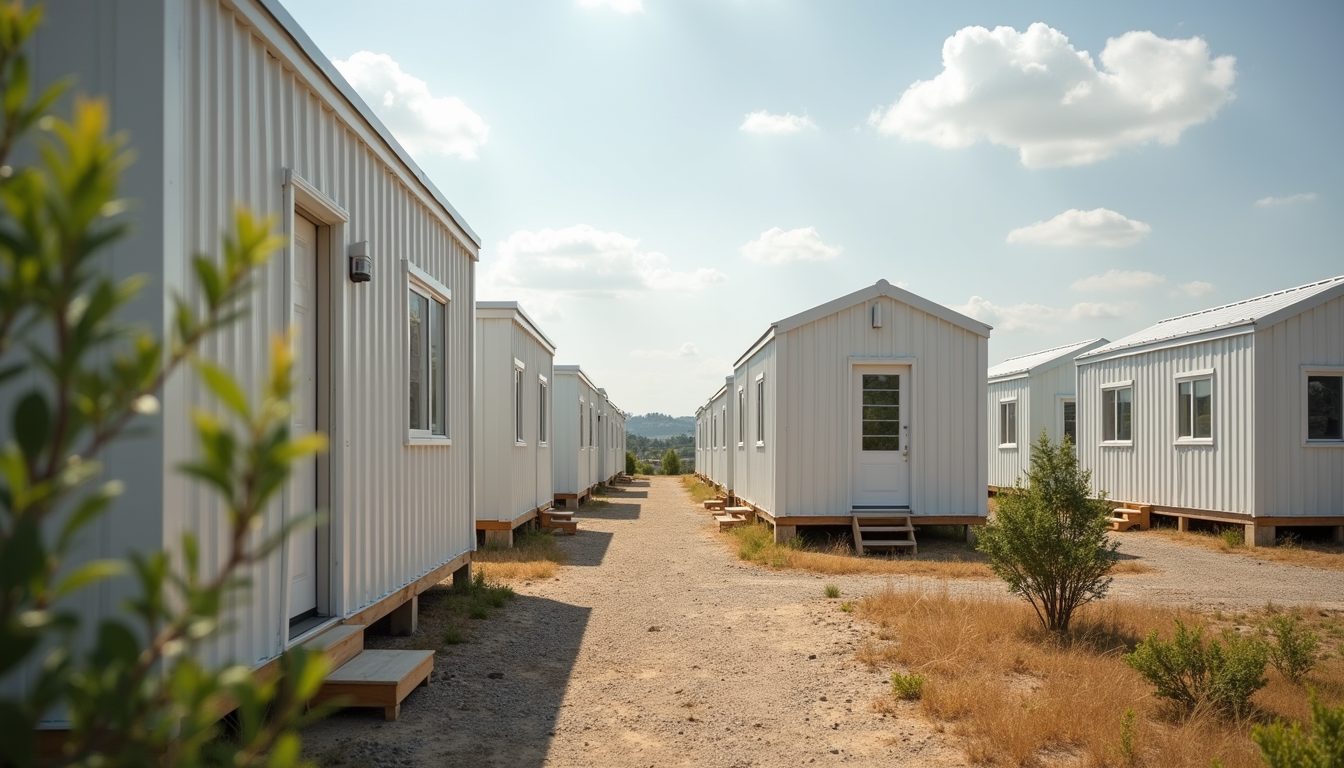
For instance, modular construction techniques allow for prefabricated components to be assembled quickly on-site, reducing waste and construction time. Additionally, the use of recycled or locally sourced materials lowers the carbon footprint associated with transportation and manufacturing. Incorporating solar panels, rainwater harvesting systems, and natural ventilation further enhances the sustainability profile of these homes.
Governments and organizations involved in disaster relief and affordable housing must prioritize these sustainable options to ensure that new developments are both cost-effective and environmentally responsible. This approach not only addresses immediate shelter needs but also contributes to broader goals such as climate change mitigation and social equity.
Innovative Technologies Driving Affordable and Sustainable Housing
Advancements in construction technology have revolutionized the way affordable housing is delivered. Among the most promising innovations are 3D printing, cross-laminated timber (CLT), and advanced insulation materials.
3D Printing: This technology enables the rapid fabrication of building components or entire structures using concrete or composite materials. 3D printing reduces labor costs and material waste, allowing for customized designs that meet specific site requirements. Projects worldwide have demonstrated the feasibility of 3D-printed homes as a scalable solution for disaster relief and low-income housing.
Cross-Laminated Timber (CLT): CLT is a sustainable alternative to traditional concrete and steel. It is lightweight, strong, and renewable, making it ideal for multi-story residential buildings. CLT panels can be prefabricated and assembled quickly, reducing construction timelines and environmental impact.
Advanced Insulation Materials: Innovations such as aerogels and vacuum-insulated panels provide superior thermal performance, reducing energy consumption for heating and cooling. These materials contribute to occupant comfort and lower utility costs, which are critical factors in affordable housing.
By integrating these technologies, developers can create housing solutions that are not only affordable but also resilient and environmentally sound. This synergy is vital for meeting the complex demands of modern housing markets.
What disqualifies you from public housing in Tennessee?
Understanding eligibility criteria for public housing is essential for effective allocation of resources and ensuring that assistance reaches those in genuine need. In Tennessee, several factors can disqualify applicants from public housing programs:
Income Limits: Applicants must fall within specified income brackets, typically defined as a percentage of the area median income (AMI). Exceeding these limits results in disqualification.
Criminal History: Certain criminal convictions, particularly those related to drug offenses or violent crimes, may render an applicant ineligible.
Previous Evictions: A history of eviction from public housing or other federally assisted housing can disqualify an individual or family.
Failure to Comply with Program Rules: Non-compliance with lease agreements or program requirements in prior housing assistance can lead to disqualification.
Citizenship Status: Applicants must be U.S. citizens or have eligible immigration status to qualify.
These criteria ensure that public housing resources are directed toward those most in need while maintaining program integrity. However, they also highlight the importance of alternative housing solutions that can accommodate individuals and families who may not qualify for traditional public housing.
Strategies for Rapid Deployment of Housing in Disaster Relief Scenarios
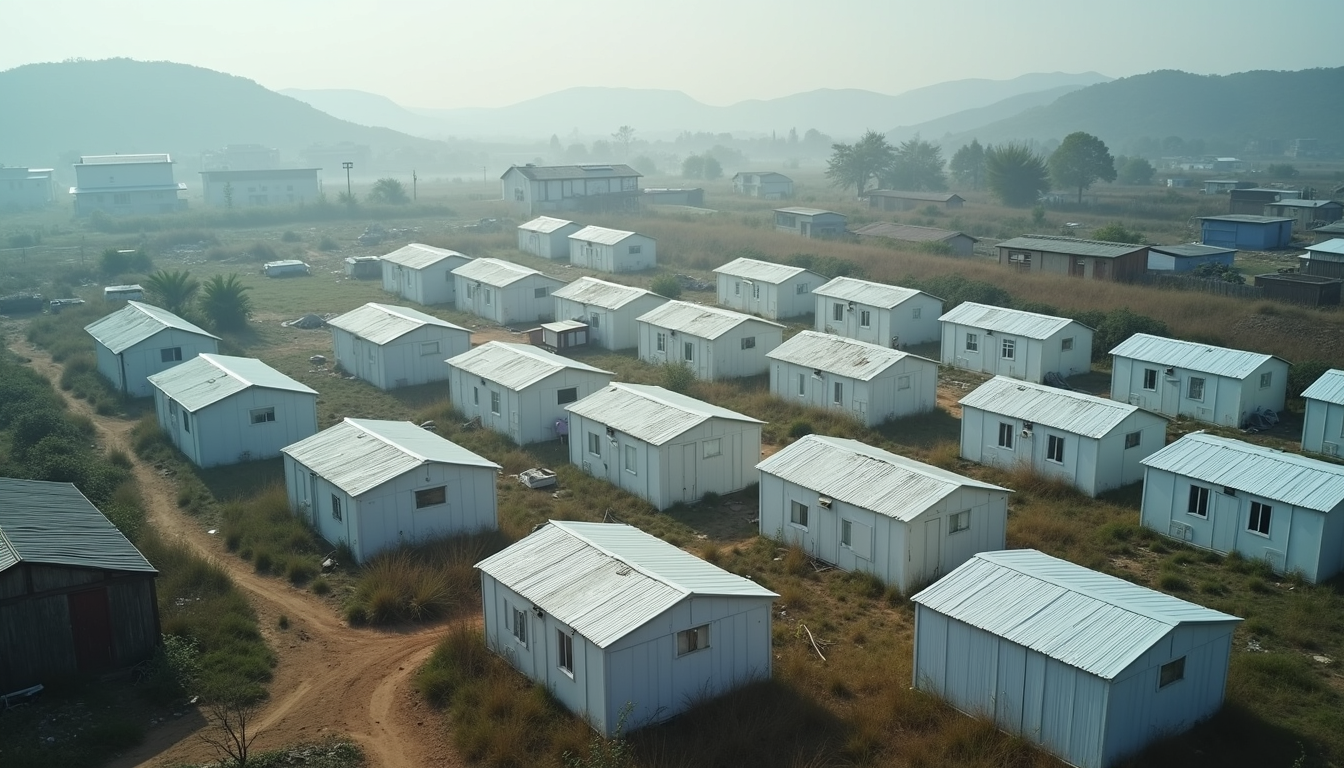
Disasters such as hurricanes, earthquakes, and floods create urgent housing needs that require swift and effective responses. Rapid deployment of housing solutions is critical to provide safe shelter and facilitate community recovery.
Key strategies include:
Prefabricated and Modular Housing: These units can be manufactured off-site and transported to affected areas for quick assembly. Their standardized design allows for scalability and efficient logistics.
Temporary to Permanent Housing Transition: Initial temporary shelters can be designed for easy upgrading into permanent homes, reducing the need for multiple relocations.
Community Involvement and Local Labor: Engaging local populations in construction and planning fosters ownership and accelerates rebuilding efforts.
Use of Durable, Weather-Resistant Materials: Selecting materials that withstand harsh conditions ensures longevity and reduces maintenance costs.
Integration of Renewable Energy and Water Systems: Off-grid capabilities enhance resilience, especially in areas where infrastructure is compromised.
These approaches enable organizations to respond effectively to crises while laying the groundwork for sustainable community development.
Policy Recommendations to Support Sustainable and Affordable Housing Development
To foster the widespread adoption of sustainable housing options, policymakers must implement supportive frameworks that encourage innovation and investment. Recommendations include:
Incentivizing Green Building Practices: Tax credits, grants, and subsidies for developers who incorporate sustainable materials and technologies can accelerate adoption.
Streamlining Regulatory Approvals: Simplifying permitting processes for modular and prefabricated construction reduces delays and costs.
Promoting Public-Private Partnerships: Collaboration between governments, NGOs, and private enterprises can leverage resources and expertise for large-scale projects.
Establishing Clear Affordability Standards: Defining and enforcing affordability criteria ensures that housing remains accessible to low- and moderate-income populations.
Investing in Workforce Training: Developing skilled labor pools familiar with sustainable construction techniques supports quality and efficiency.
By adopting these policies, stakeholders can create an enabling environment that supports the delivery of rapid, sustainable, and affordable housing solutions.
Future Directions in Sustainable Housing Development
The trajectory of housing development is increasingly aligned with sustainability and resilience imperatives. Emerging trends suggest a future where housing is not only affordable and eco-friendly but also adaptable to evolving social and environmental conditions.
Key areas of focus include:
Smart Housing Technologies: Integration of IoT devices and automation to optimize energy use and enhance occupant comfort.
Circular Economy Principles: Designing homes for disassembly and material reuse to minimize waste.
Climate-Adaptive Designs: Incorporating features that respond dynamically to weather patterns and natural hazards.
Community-Centric Planning: Emphasizing social cohesion and shared resources to improve quality of life.
As these innovations mature, they will redefine the standards for housing worldwide, ensuring that shelter solutions meet the complex demands of the 21st century.
In summary, the pursuit of sustainable housing options is a multifaceted endeavor that requires collaboration, innovation, and strategic policy support. By embracing these principles, stakeholders can effectively address the pressing need for affordable, resilient, and environmentally responsible housing across diverse contexts.
For those interested in exploring further, affordable housing solutions offer a comprehensive approach to meeting these challenges with proven expertise and commitment.
Planning a resilient housing project?
Request a Proposal