
Exploring the Simplicity of Affordable DIY House Kits

The increasing demand for rapid, cost-effective, and sustainable housing solutions has led to a significant rise in the popularity of DIY house kits. These kits offer a streamlined approach to constructing homes, particularly beneficial for disaster relief efforts and underserved communities. By simplifying the building process, DIY house kits provide an accessible alternative to traditional construction methods, enabling faster deployment and reduced costs. This article explores the fundamental aspects of affordable DIY house kits, their advantages, and practical considerations for implementation.
Understanding Affordable DIY House Kits
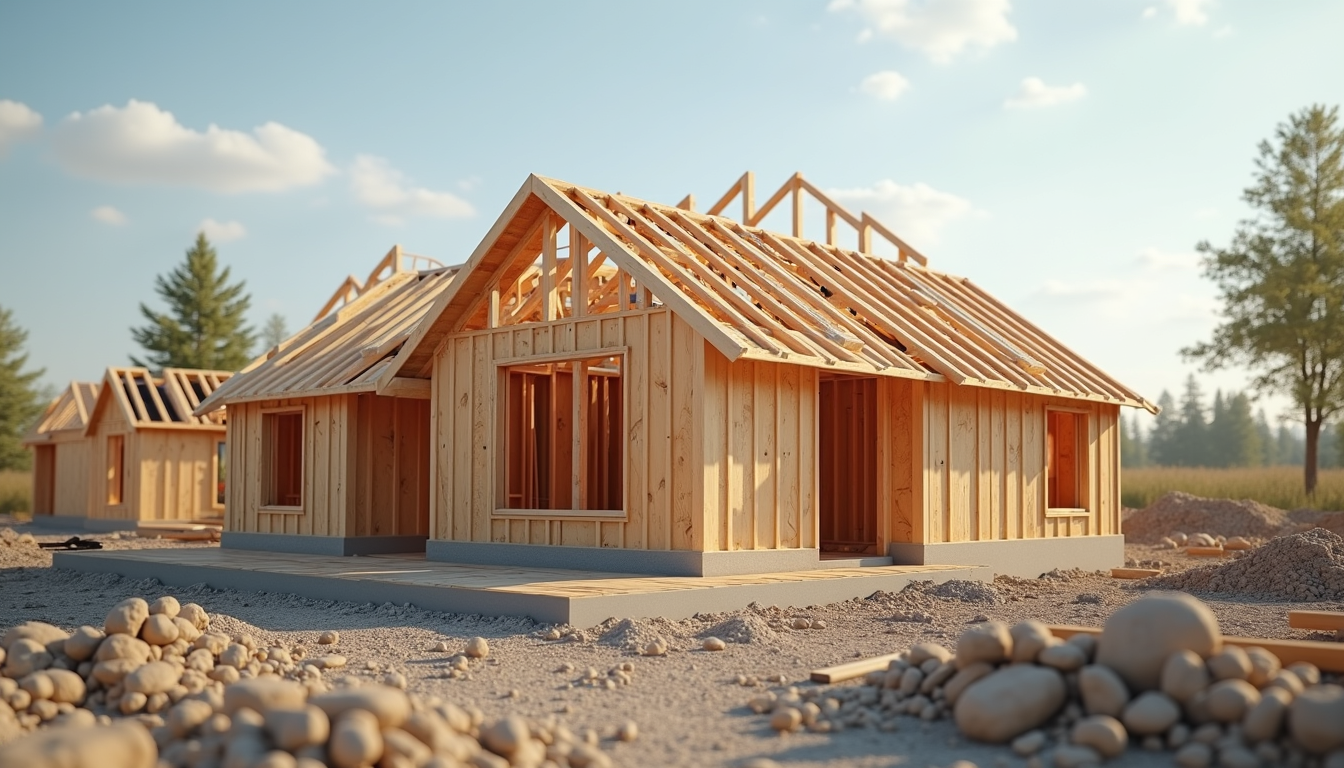
Affordable DIY house kits are pre-packaged sets of materials and instructions designed to facilitate the construction of a home with minimal professional intervention. These kits typically include pre-cut lumber, panels, fasteners, and detailed assembly guides. The modular nature of these kits allows for efficient transportation and rapid on-site assembly, which is crucial in emergency housing scenarios.
The affordability of these kits stems from several factors:
- Standardized components: Mass production of uniform parts reduces manufacturing costs.
- Simplified design: Streamlined architectural plans minimize waste and complexity.
Reduced labor requirements: Clear instructions enable non-specialists to participate in construction.
Such kits are particularly advantageous for governments, NGOs, and private enterprises seeking scalable housing solutions in regions affected by natural disasters or economic hardship.
Key Benefits of Affordable DIY House Kits
The appeal of affordable DIY house kits lies in their ability to address multiple challenges simultaneously. Below are some of the primary benefits:
Speed of Construction
Traditional building methods often require extended timelines due to the sequential nature of tasks and dependency on skilled labor. In contrast, DIY house kits are engineered for rapid assembly. Pre-fabricated components arrive ready to be joined, significantly reducing construction time. This speed is critical in disaster relief contexts where shelter must be provided promptly.
Cost Efficiency
By minimizing the need for specialized labor and reducing material waste, DIY house kits offer a cost-effective alternative. The economies of scale achieved through mass production further lower expenses. Additionally, the kits’ modular design allows for incremental expansion, enabling budget-conscious stakeholders to phase construction according to available resources.
Sustainability and Resource Optimization
Many DIY house kits incorporate sustainable materials and energy-efficient designs. The controlled manufacturing environment ensures precise material usage, reducing waste. Furthermore, some kits integrate features such as insulation panels and solar-ready roofing, contributing to long-term energy savings and environmental responsibility.
Accessibility and Empowerment
The straightforward assembly process empowers local communities to participate actively in building their own homes. This involvement fosters a sense of ownership and skill development, which can have positive social and economic impacts beyond the immediate housing solution.
Practical Considerations for Implementation
While the advantages of DIY house kits are compelling, successful deployment requires careful planning and consideration of several factors:
Site Preparation and Infrastructure
Adequate site preparation is essential to ensure structural stability and longevity. This includes leveling the ground, establishing foundations, and ensuring access to utilities such as water and electricity. Coordination with local authorities and utility providers is often necessary to facilitate these preparations.
Training and Support
Although DIY house kits are designed for ease of assembly, providing training sessions or instructional workshops can significantly improve outcomes. Clear, multilingual manuals and video tutorials enhance comprehension, especially in diverse or low-literacy populations. Additionally, establishing support channels for troubleshooting during construction can mitigate delays.
Customization and Scalability
While standardization is a hallmark of DIY house kits, flexibility in design allows adaptation to local climatic conditions, cultural preferences, and family sizes. Modular components can be combined or expanded to accommodate varying needs. Stakeholders should evaluate available options to select kits that best align with their specific requirements.
Regulatory Compliance
Ensuring that DIY house kits meet local building codes and safety standards is paramount. Collaboration with regulatory bodies during the planning phase can prevent legal complications and guarantee that constructed homes are safe and durable.
The Role of DIY House Kits in Disaster Relief and Affordable Housing
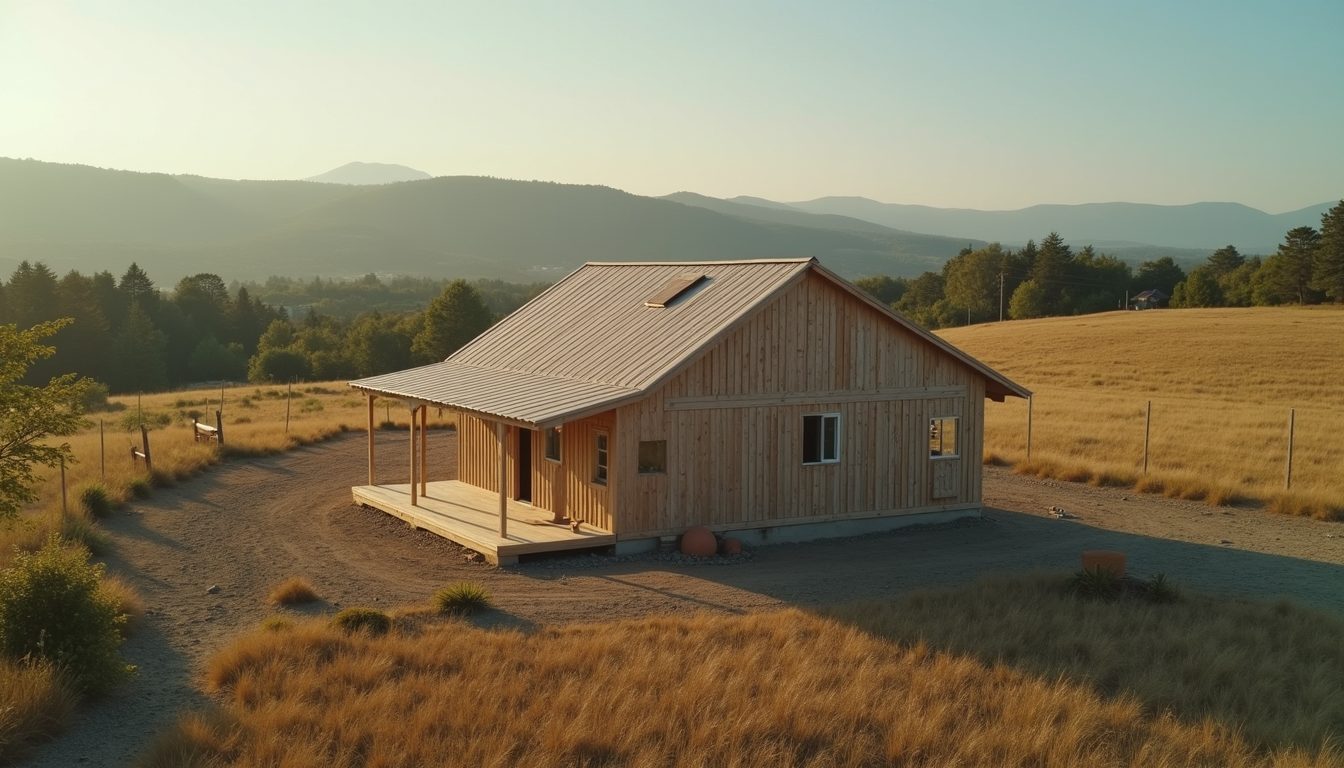
In the aftermath of natural disasters, the immediate provision of shelter is a critical priority. DIY house kits offer a viable solution by enabling rapid deployment of habitable structures. Their portability and ease of assembly allow relief organizations to distribute kits to affected areas efficiently.
Moreover, in regions facing chronic housing shortages, these kits provide an affordable pathway to homeownership. By reducing construction costs and timelines, they help bridge the gap between demand and supply. The ability to customize and expand homes over time further enhances their suitability for long-term habitation.
The integration of sustainable materials and energy-efficient designs aligns with global efforts to promote environmentally responsible development. This synergy supports the broader goals of resilience and sustainability in vulnerable communities.
For organizations seeking to acquire such solutions, numerous options for diy house kits for sale exist, offering a range of designs and specifications tailored to diverse needs.
Future Prospects and Innovations in DIY House Kits
The evolution of DIY house kits continues to be driven by technological advancements and shifting societal needs. Emerging trends include:
- Smart home integration: Incorporating IoT devices for energy management and security.
- Advanced materials: Utilizing composites and recycled materials to enhance durability and sustainability.
- 3D printing: Exploring additive manufacturing techniques to produce custom components on-site.
Community-driven design: Engaging end-users in the design process to ensure cultural relevance and functionality.
These innovations promise to expand the applicability and effectiveness of DIY house kits, reinforcing their role as a cornerstone of affordable and rapid housing solutions worldwide.
The simplicity and efficiency of affordable DIY house kits represent a transformative approach to addressing global housing challenges. By combining speed, cost-effectiveness, and sustainability, these kits offer a practical solution for governments, NGOs, and private enterprises committed to improving living conditions in disaster-affected and underserved regions. Continued investment in research, development, and collaboration will be essential to maximize their impact and reach.
Planning a resilient housing project?
Request a Proposal