
How Affordable DIY House Kits Transform Home Ownership

The concept of home ownership has evolved significantly over recent years, driven by technological advancements and shifting economic realities. Among the most transformative innovations is the rise of affordable DIY house kits. These kits offer a practical, cost-effective, and sustainable solution to the pressing need for rapid housing development, particularly in disaster relief scenarios and underserved communities. As someone deeply involved in the housing sector, I have observed firsthand how these kits are reshaping the landscape of home ownership and construction.
The Emergence of Affordable DIY House Kits
Affordable DIY house kits represent a paradigm shift in the construction industry. Traditionally, building a home required substantial capital, skilled labor, and extended timelines. These factors often placed home ownership beyond the reach of many individuals and organizations tasked with providing emergency or affordable housing. DIY house kits address these challenges by offering pre-designed, pre-fabricated components that can be assembled on-site with minimal specialized skills.
These kits typically include all necessary materials, from framing lumber and insulation to roofing and fixtures, accompanied by detailed instructions. The modular nature of these kits allows for customization to meet specific needs, whether for a small family dwelling or a larger community housing project. This flexibility is crucial for governments, NGOs, and private enterprises aiming to deploy housing solutions rapidly and efficiently.
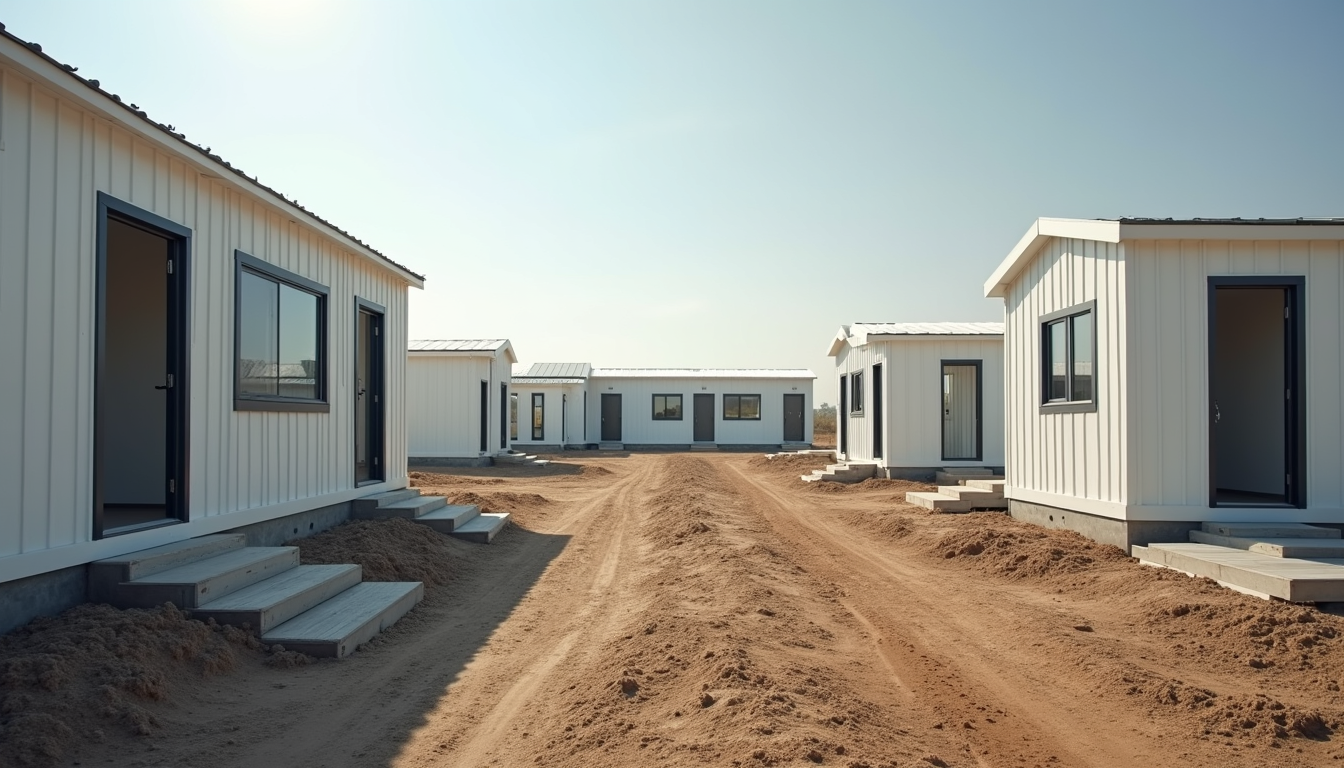
Advantages of Affordable DIY House Kits in Rapid Housing Deployment
The benefits of affordable DIY house kits extend beyond cost savings. Their design inherently supports rapid deployment, which is essential in disaster relief efforts where time is of the essence. By reducing reliance on skilled labor and complex logistics, these kits enable faster construction timelines without compromising structural integrity or quality.
Key advantages include:
- Cost Efficiency: Bulk procurement of materials and streamlined manufacturing processes reduce overall expenses.
- Sustainability: Many kits incorporate eco-friendly materials and energy-efficient designs, aligning with global sustainability goals.
- Scalability: Kits can be produced and assembled in large quantities, facilitating mass housing projects.
Adaptability: Designs can be modified to suit local climate conditions, cultural preferences, and regulatory requirements.
For example, in regions prone to natural disasters, such as hurricanes or earthquakes, affordable DIY house kits can be pre-positioned and quickly assembled to provide immediate shelter. This capability significantly enhances disaster response strategies and mitigates the long-term social and economic impacts of housing loss.
Practical Considerations for Implementing DIY House Kits
Successful implementation of DIY house kits requires careful planning and coordination. Stakeholders must consider several factors to maximize the benefits of this approach:
- Site Preparation: Ensuring the building site is properly leveled and accessible is critical for efficient assembly.
- Training and Support: Providing basic training to local workers or volunteers can improve assembly speed and quality.
- Regulatory Compliance: Kits must meet local building codes and standards to ensure safety and legal approval.
- Logistics Management: Coordinating the delivery and storage of kit components minimizes delays and damage.
Community Engagement: Involving future occupants in the building process fosters ownership and maintenance commitment.
By addressing these considerations, organizations can optimize the deployment of affordable DIY house kits and achieve sustainable housing outcomes.
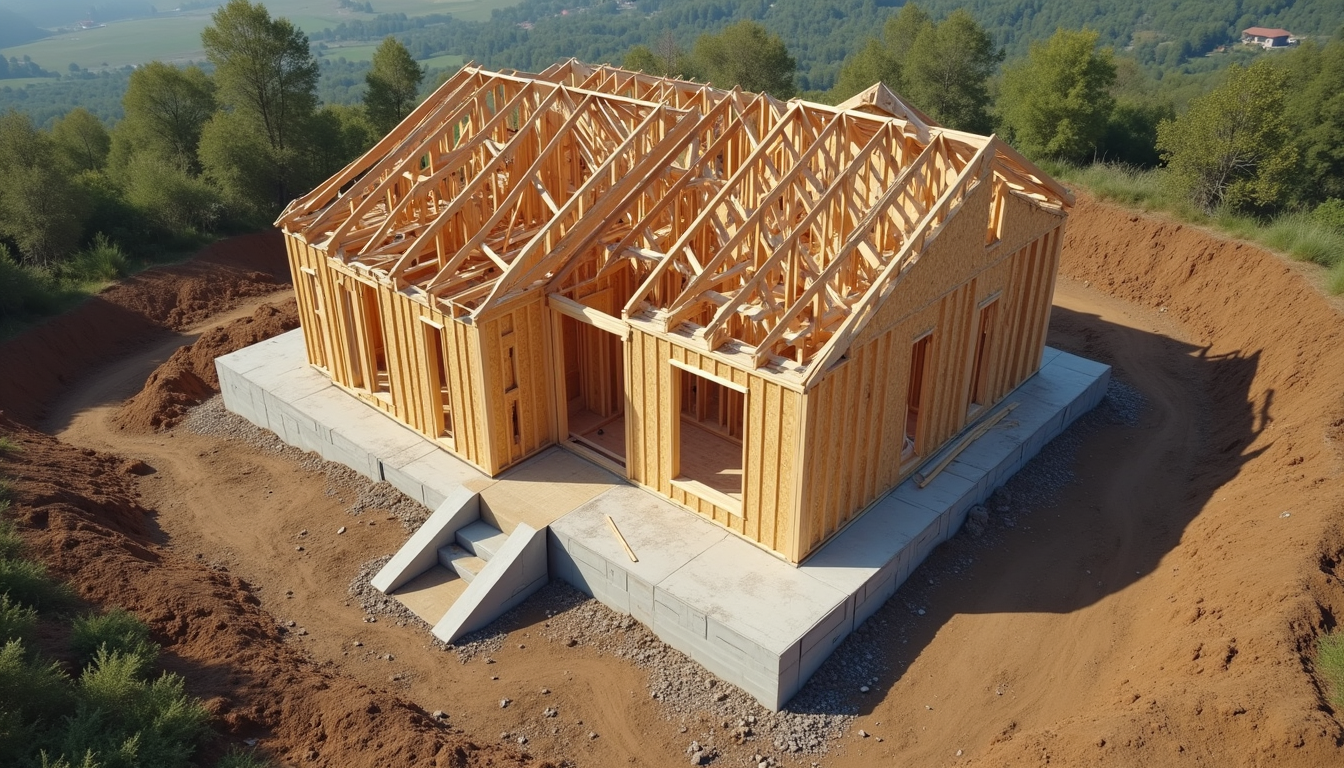
The Role of DIY House Kits in Sustainable Development Goals
Affordable housing is a cornerstone of sustainable development, directly impacting health, education, and economic stability. DIY house kits contribute to several United Nations Sustainable Development Goals (SDGs), including:
- SDG 1: No Poverty - By reducing housing costs, these kits help lift families out of poverty.
- SDG 11: Sustainable Cities and Communities - They promote resilient infrastructure and inclusive urbanization.
SDG 13: Climate Action - Incorporating energy-efficient designs reduces carbon footprints.
Moreover, the modular and prefabricated nature of these kits minimizes construction waste and environmental disruption. This aligns with the increasing emphasis on green building practices worldwide.
Expanding Access Through Strategic Partnerships
To fully realize the potential of affordable DIY house kits, collaboration among governments, NGOs, and private enterprises is essential. These partnerships can facilitate:
- Funding and Resource Allocation: Pooling financial and material resources to scale production.
- Research and Development: Innovating new materials and designs tailored to diverse environments.
- Capacity Building: Training local workforces to sustain housing initiatives.
Policy Advocacy: Promoting regulatory frameworks that support modular construction.
By leveraging collective expertise and resources, stakeholders can accelerate the delivery of quality housing solutions to those most in need.
For organizations seeking reliable sources, exploring diy house kits for sale offers a practical starting point to acquire kits designed for rapid assembly and durability.
Future Outlook: Transforming Home Ownership Globally
The adoption of affordable DIY house kits signals a transformative era in home ownership and construction. As these kits become more sophisticated and accessible, they will empower communities worldwide to overcome traditional barriers to housing. This transformation is particularly vital for disaster-prone and underserved regions, where rapid, affordable, and sustainable housing solutions are urgently needed.
In my experience, the integration of technology, sustainable materials, and modular design principles will continue to enhance the efficiency and appeal of DIY house kits. This evolution aligns perfectly with the mission of organizations like J. L. Filbey & Sons Capital Partners, which strive to lead the global market in providing rapid-build, sustainable housing solutions.
Ultimately, affordable DIY house kits represent more than just a construction method - they embody a strategic approach to addressing one of humanity's most fundamental needs: safe, dignified, and accessible shelter.
Planning a resilient housing project?
Request a Proposal