
Innovative Affordable Housing Ideas: Transforming the Future of Shelter

Affordable housing remains a critical challenge worldwide, particularly in regions affected by natural disasters and economic instability. The demand for cost-effective, sustainable, and rapidly deployable housing solutions has never been greater. As a professional deeply engaged in this sector, I have observed a surge in innovative affordable housing ideas that promise to revolutionize how governments, NGOs, and private enterprises address shelter needs. This article explores these pioneering approaches, highlighting practical examples and actionable strategies that can be adopted to meet the growing demand for affordable housing.
Exploring Innovative Affordable Housing Ideas
Innovation in affordable housing is no longer confined to traditional construction methods. New technologies, materials, and design philosophies are converging to create housing that is not only affordable but also sustainable and resilient. One of the most promising trends is the use of modular and prefabricated construction techniques. These methods allow for rapid assembly, reduced labor costs, and minimized waste, making them ideal for disaster relief scenarios and underserved communities.
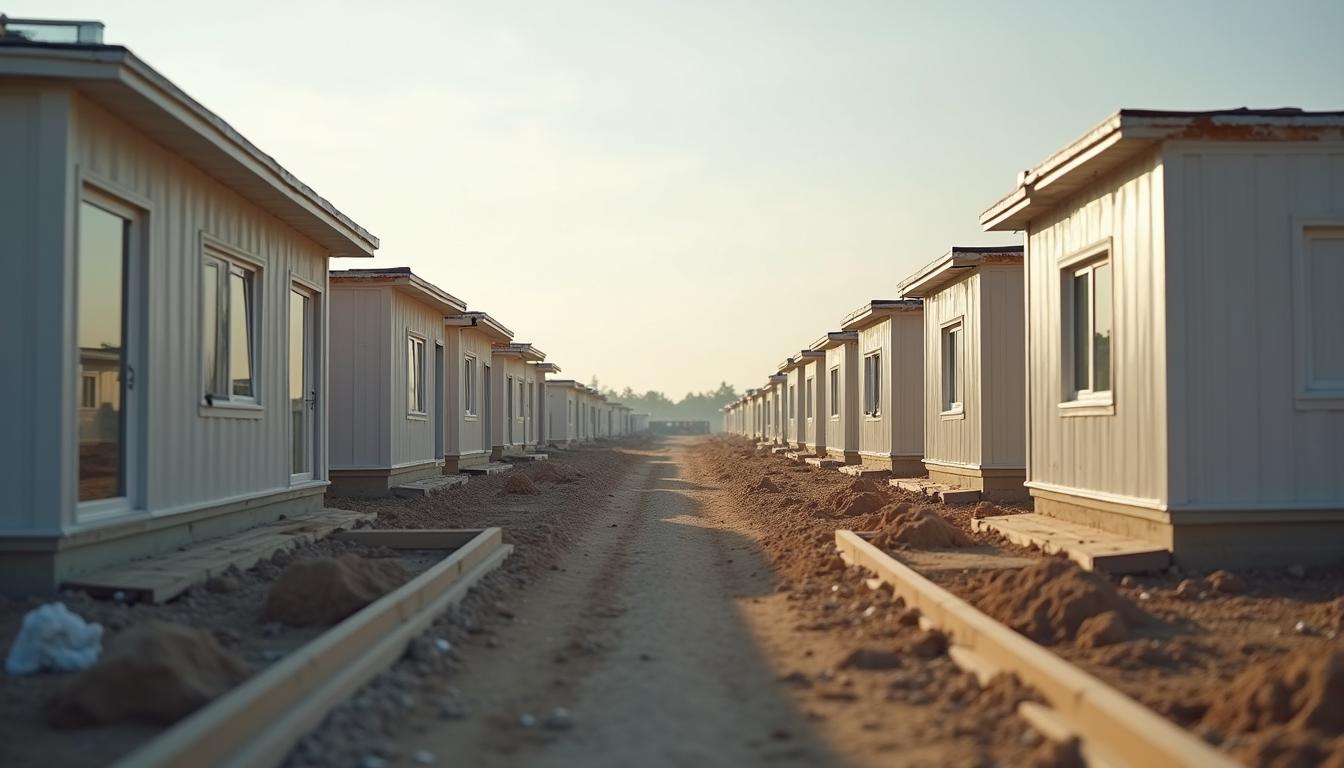
For instance, modular homes can be manufactured off-site in controlled environments, ensuring quality and consistency. Once transported to the site, these units can be quickly assembled, significantly reducing construction time. This approach also facilitates scalability, allowing for the expansion of housing complexes as needed.
Another innovative idea involves the integration of green building technologies. Solar panels, rainwater harvesting systems, and energy-efficient insulation materials are increasingly incorporated into affordable housing designs. These features not only reduce the environmental footprint but also lower utility costs for residents, enhancing long-term affordability.
Additionally, adaptive reuse of existing structures presents a cost-effective solution. Converting abandoned commercial buildings or warehouses into residential units can revitalize urban areas while providing affordable housing options. This strategy leverages existing infrastructure, reducing the need for new construction and preserving community character.
Leveraging Technology for Affordable Housing Solutions
The role of technology in affordable housing cannot be overstated. Digital tools such as Building Information Modeling (BIM) and Geographic Information Systems (GIS) enable precise planning and resource management. BIM facilitates detailed visualization and coordination among architects, engineers, and contractors, reducing errors and delays. GIS helps identify optimal locations for housing projects by analyzing factors like land availability, accessibility, and environmental risks.
Moreover, 3D printing technology is emerging as a game-changer in the construction industry. Large-scale 3D printers can fabricate building components or even entire structures using concrete or composite materials. This method drastically cuts down construction time and labor costs while allowing for complex architectural designs that traditional methods cannot easily achieve.
Incorporating smart home technologies also enhances the livability of affordable housing. Automated lighting, climate control, and security systems improve energy efficiency and safety, contributing to residents' quality of life. These technologies can be integrated cost-effectively through economies of scale in large housing developments.
What Disqualifies You from Public Housing in Tennessee?
Understanding eligibility criteria for public housing is essential for effective policy-making and program implementation. In Tennessee, several factors can disqualify applicants from receiving public housing assistance. These include:
- Criminal History: Individuals with certain felony convictions, particularly those involving violence or drug-related offenses, may be ineligible.
- Income Limits: Applicants must meet specific income thresholds, which vary by family size and local median income levels.
- Eviction Records: Previous evictions due to non-payment or lease violations can disqualify applicants.
- Citizenship Status: Only U.S. citizens or eligible non-citizens qualify for public housing programs.
Failure to Comply with Program Rules: This includes providing false information or failing to meet residency requirements.
These disqualifications aim to ensure that public housing resources are allocated to those most in need while maintaining community safety and program integrity. However, they also highlight the importance of complementary affordable housing initiatives that can serve individuals who do not qualify for public housing.
Sustainable Materials and Design in Affordable Housing
Sustainability is a cornerstone of modern affordable housing development. Utilizing eco-friendly materials and innovative design principles can significantly reduce environmental impact and operational costs. For example, cross-laminated timber (CLT) is gaining popularity as a renewable alternative to steel and concrete. CLT panels are lightweight, strong, and provide excellent thermal insulation, making them suitable for rapid construction.
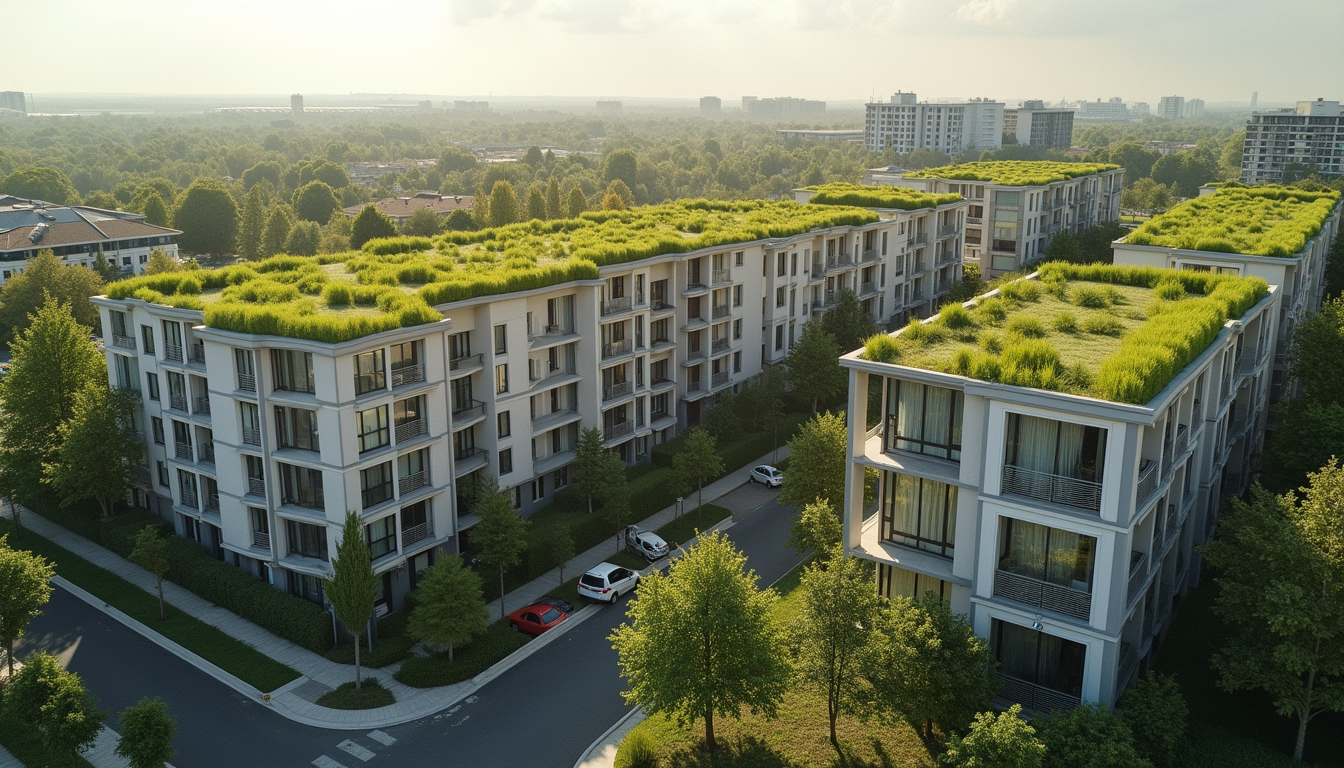
Passive design strategies, such as optimizing building orientation for natural light and ventilation, further enhance energy efficiency. Incorporating green roofs and community gardens not only improves aesthetics but also promotes biodiversity and social cohesion.
Water-efficient fixtures and greywater recycling systems are practical additions that conserve resources and reduce utility expenses. These features are particularly valuable in regions facing water scarcity or high utility costs.
Policy and Financing Innovations to Support Affordable Housing
Innovative affordable housing ideas must be supported by progressive policies and financing mechanisms. Governments and financial institutions play a pivotal role in enabling access to capital and incentivizing sustainable development.
One effective policy tool is inclusionary zoning, which requires or encourages developers to allocate a portion of new housing units as affordable. This approach integrates affordable housing within broader communities, promoting social diversity and reducing segregation.
Public-private partnerships (PPPs) are another avenue for mobilizing resources and expertise. By collaborating with private enterprises, governments and NGOs can leverage investment capital, technical know-how, and operational efficiencies to scale affordable housing projects.
Innovative financing models, such as social impact bonds and community land trusts, provide alternative funding sources while ensuring long-term affordability. These models align the interests of investors, developers, and residents, fostering sustainable community development.
Implementing Rapid-Build Housing for Disaster Relief
Rapid-build housing solutions are critical in responding to natural disasters and humanitarian crises. The ability to deploy safe, durable, and comfortable shelters quickly can save lives and facilitate recovery.
Prefabricated and modular units are particularly suited for rapid deployment. Their standardized components allow for mass production and streamlined logistics. Additionally, designs that prioritize ease of assembly and disassembly enable flexibility in relocation or reuse.
Incorporating resilient features, such as elevated foundations, reinforced structures, and weather-resistant materials, enhances the durability of disaster relief housing. These considerations are vital in regions prone to floods, hurricanes, or earthquakes.
Training local communities in assembly and maintenance empowers residents and creates employment opportunities, contributing to economic recovery.
Final Thoughts on Advancing Affordable Housing
The landscape of affordable housing is evolving through a confluence of technological innovation, sustainable design, and progressive policy frameworks. By embracing these innovative affordable housing ideas, stakeholders can address the pressing need for shelter in a manner that is efficient, equitable, and environmentally responsible.
As I have observed, the integration of modular construction, green technologies, and smart financing models offers a comprehensive pathway to scalable and sustainable housing solutions. These approaches not only meet immediate shelter needs but also lay the foundation for resilient communities capable of thriving in the face of future challenges.
For those engaged in the development and implementation of affordable housing projects, it is imperative to remain informed about emerging trends and best practices. Collaboration across sectors and disciplines will be essential to realize the full potential of these innovations.
To explore more about practical and effective affordable housing solutions, I encourage stakeholders to consider partnerships that leverage expertise, technology, and resources to maximize impact.
By advancing these innovative strategies, we can collectively contribute to a future where safe, affordable, and sustainable housing is accessible to all who need it.
Planning a resilient housing project?
Request a Proposal