
Innovative Affordable Housing Models for Communities

Addressing the global housing crisis requires a multifaceted approach that combines sustainability, cost-efficiency, and rapid deployment. As urban populations swell and natural disasters displace millions, the demand for innovative affordable housing models has never been more urgent. These models must not only provide shelter but also foster resilient, inclusive communities. Drawing from recent advancements and practical implementations, this article explores cutting-edge strategies that governments, NGOs, and private enterprises can adopt to meet these pressing needs.
Exploring Innovative Affordable Housing Models
Innovative affordable housing models encompass a variety of construction techniques, design philosophies, and financing mechanisms aimed at reducing costs while enhancing quality and sustainability. Among the most promising approaches are modular construction, 3D printing, and adaptive reuse of existing structures.
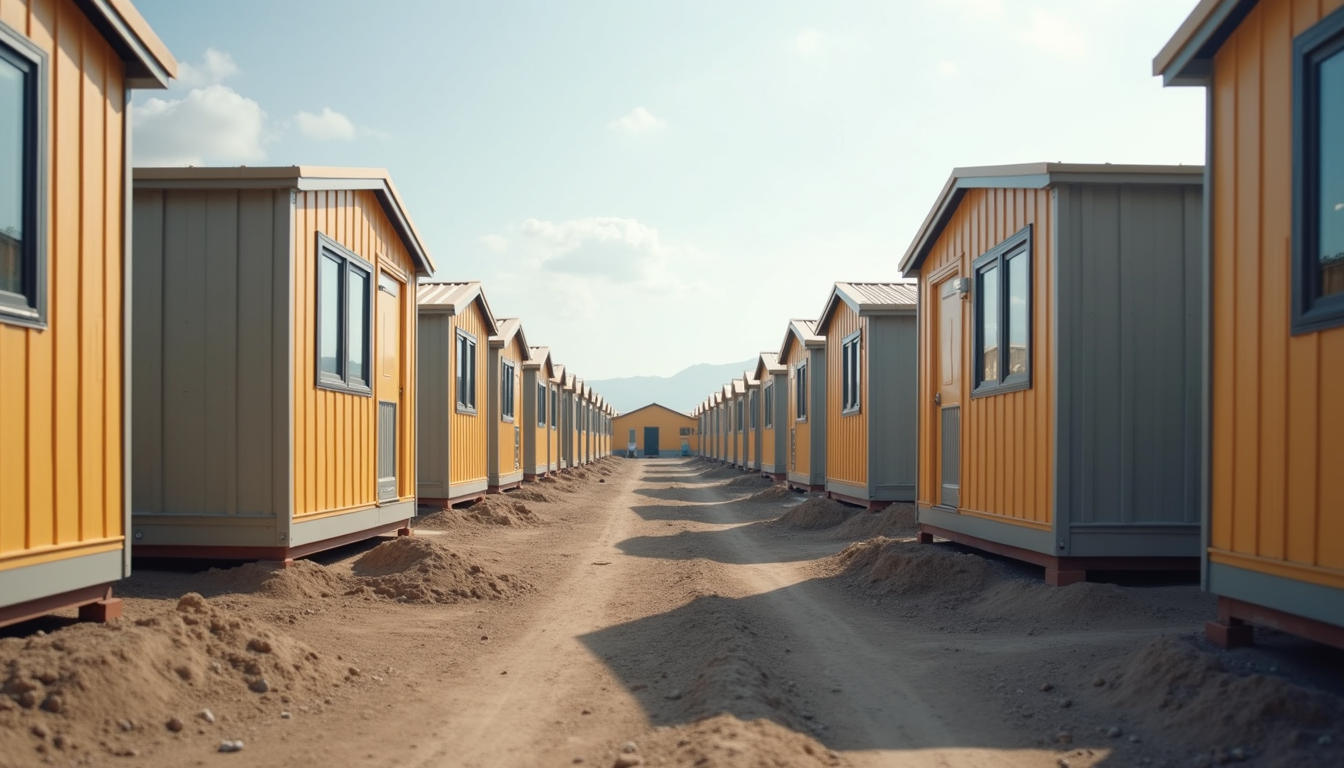
Modular construction involves fabricating housing components off-site in controlled factory settings. This method significantly reduces construction time and waste, while improving quality control. For example, modular units can be rapidly assembled on-site, enabling swift responses to disaster-stricken areas or underserved communities.
3D printing technology has emerged as a revolutionary tool in affordable housing. By using concrete or composite materials, entire homes can be printed layer by layer with minimal labor and material waste. This technology allows for customization and scalability, making it ideal for diverse geographic and economic contexts.
Adaptive reuse leverages existing buildings or materials to create new housing units. Converting warehouses, schools, or office buildings into residential spaces can preserve cultural heritage and reduce environmental impact. This approach also often benefits from existing infrastructure, lowering overall costs.
These models are frequently combined with sustainable design principles, such as energy-efficient systems, water conservation, and the use of renewable materials. Such integration not only reduces operational costs for residents but also aligns with global climate goals.
Financing and Policy Innovations Supporting Affordable Housing
The success of innovative affordable housing models depends heavily on supportive financing structures and policy frameworks. Governments and private entities must collaborate to create incentives and reduce barriers to development.
One effective strategy is the implementation of public-private partnerships (PPPs). These partnerships leverage government resources and private sector expertise to finance, build, and manage affordable housing projects. By sharing risks and rewards, PPPs can accelerate project timelines and improve quality.
Inclusionary zoning policies require or incentivize developers to include affordable units within market-rate projects. This approach promotes socioeconomic diversity and integrates affordable housing into thriving neighborhoods.
Tax credits and subsidies remain vital tools. Programs such as Low-Income Housing Tax Credits (LIHTC) in the United States encourage investment by providing financial benefits to developers who prioritize affordability.
Additionally, community land trusts (CLTs) offer a sustainable model by separating land ownership from housing ownership. This mechanism stabilizes housing costs and prevents speculative price increases, ensuring long-term affordability.
Governments and NGOs should also explore innovative financing mechanisms like social impact bonds and microfinance to support smaller-scale projects and empower local communities.
Where can I live for $500 a month in the USA?
Finding housing for $500 a month in the United States is challenging but not impossible, especially when considering innovative affordable housing models and targeted programs. Certain rural areas and smaller cities offer lower rental costs, often supported by government subsidies or nonprofit initiatives.
For instance, parts of the Midwest and Southern states have communities where rents for modest apartments or shared housing fall within this budget. Programs such as Section 8 vouchers and affordable housing developments funded through LIHTC can also make this feasible in urban areas.
Moreover, emerging models like tiny home villages and co-housing communities provide affordable alternatives. These models emphasize shared resources and communal living, reducing individual costs while fostering social support networks.
It is essential to consider additional factors such as transportation access, employment opportunities, and local services when evaluating affordability. Integrating housing with broader community development initiatives enhances the sustainability of these solutions.
Sustainable Materials and Technologies in Affordable Housing
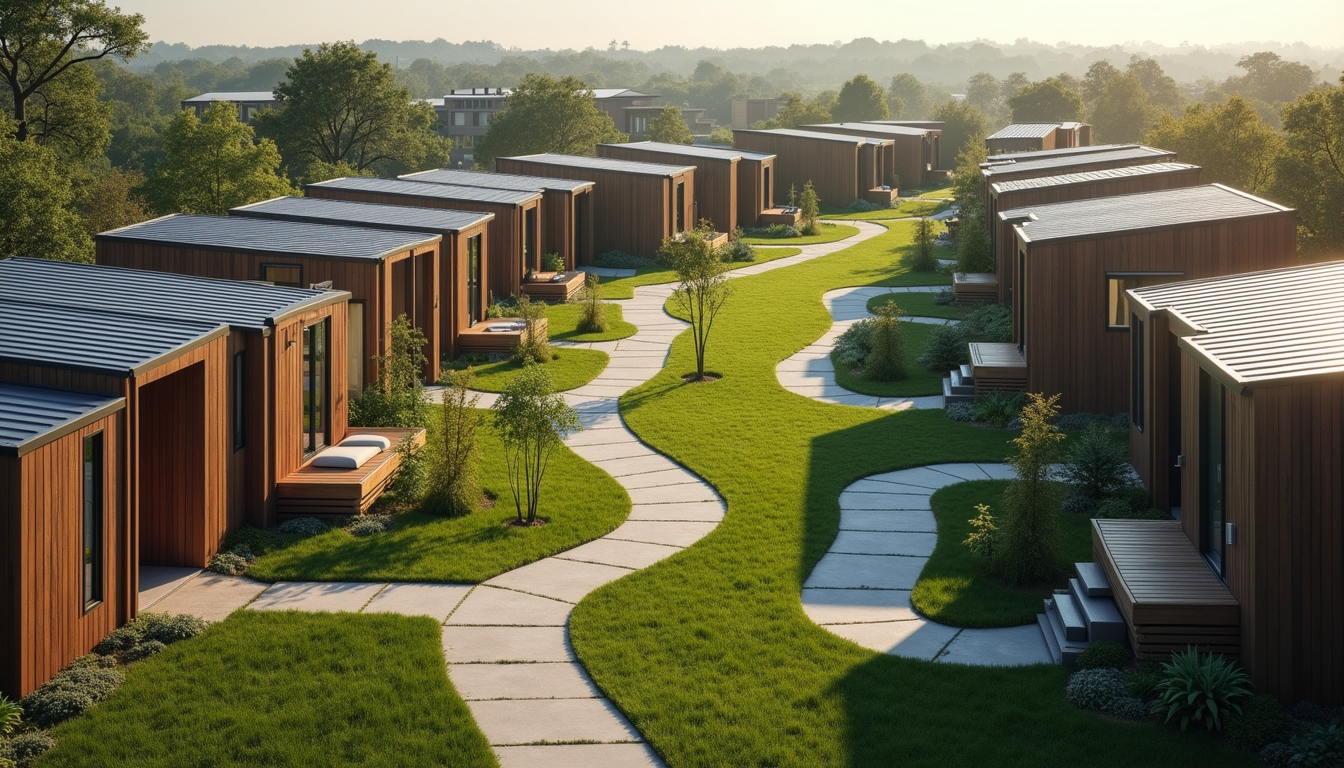
Sustainability is a cornerstone of modern affordable housing models. Utilizing eco-friendly materials and energy-efficient technologies reduces environmental impact and lowers long-term costs for residents.
Cross-laminated timber (CLT) is gaining popularity as a renewable alternative to concrete and steel. CLT panels are lightweight, strong, and can be prefabricated, speeding up construction while sequestering carbon.
Recycled materials, such as reclaimed wood, recycled steel, and repurposed plastics, contribute to circular economies and reduce landfill waste. Incorporating these materials requires careful design to maintain structural integrity and safety.
Energy-efficient technologies, including solar panels, passive heating and cooling systems, and LED lighting, significantly reduce utility expenses. Water-saving fixtures and rainwater harvesting systems further enhance sustainability.
Smart home technologies can optimize energy use and improve residents’ quality of life. For example, programmable thermostats and energy monitoring systems enable efficient resource management.
Integrating these materials and technologies requires upfront investment but yields substantial benefits over the housing lifecycle, aligning with the goals of rapid-build, sustainable, and affordable housing.
Strategies for Rapid Deployment in Disaster Relief
Rapid deployment of housing is critical in disaster relief scenarios where displaced populations require immediate shelter. Innovative affordable housing models offer scalable and adaptable solutions to meet these urgent needs.
Pre-fabricated modular units can be stockpiled and transported quickly to affected areas. Their standardized design allows for efficient assembly, often within days, providing safe and dignified housing.
Inflatable shelters and temporary container homes serve as interim solutions while permanent housing is constructed. These options prioritize speed and mobility but can be upgraded or replaced as needed.
3D printed homes have demonstrated potential for rapid construction with minimal labor. Their ability to use local materials reduces logistical challenges and costs.
Coordination among governments, NGOs, and private enterprises is essential to streamline procurement, logistics, and community engagement. Training local labor forces in assembly and maintenance fosters resilience and economic recovery.
Incorporating community input into design ensures that housing meets cultural and practical needs, enhancing acceptance and long-term success.
Advancing Global Impact through Collaboration and Innovation
The future of affordable housing lies in the continuous evolution of innovative models and collaborative frameworks. By combining technological advancements with inclusive policies and sustainable practices, stakeholders can address the complex challenges faced by vulnerable populations worldwide.
Organizations like J. L. Filbey & Sons Capital Partners exemplify this approach by focusing on rapid-build, sustainable, and affordable housing solutions tailored for disaster relief and underserved communities. Expanding partnerships with governments, NGOs, and private enterprises will amplify impact and accelerate progress.
To maximize effectiveness, it is crucial to:
- Invest in research and development of new materials and construction methods.
- Foster knowledge sharing and capacity building among practitioners.
- Prioritize community-centered design and participatory planning.
Implement robust monitoring and evaluation systems to measure outcomes.
By embracing these principles, the global community can move closer to ensuring safe, affordable, and sustainable housing for all.
This exploration of innovative affordable housing models underscores the importance of integrating technology, policy, and community engagement. The path forward demands commitment, creativity, and cooperation to transform housing from a challenge into an opportunity for resilience and growth.
Planning a resilient housing project?
Request a Proposal