
Innovative Affordable Housing Options for Every Community

Addressing the global challenge of housing affordability requires a multifaceted approach that integrates innovation, sustainability, and rapid deployment. As urban populations swell and disaster events increase in frequency, the demand for cost-effective, scalable housing solutions intensifies. Governments, NGOs, and private enterprises must collaborate to implement strategies that not only provide shelter but also foster resilient, inclusive communities. This article explores a range of innovative affordable housing options designed to meet diverse needs across various contexts, emphasizing practical applications and forward-thinking methodologies.
Exploring Innovative Housing Options for Diverse Needs
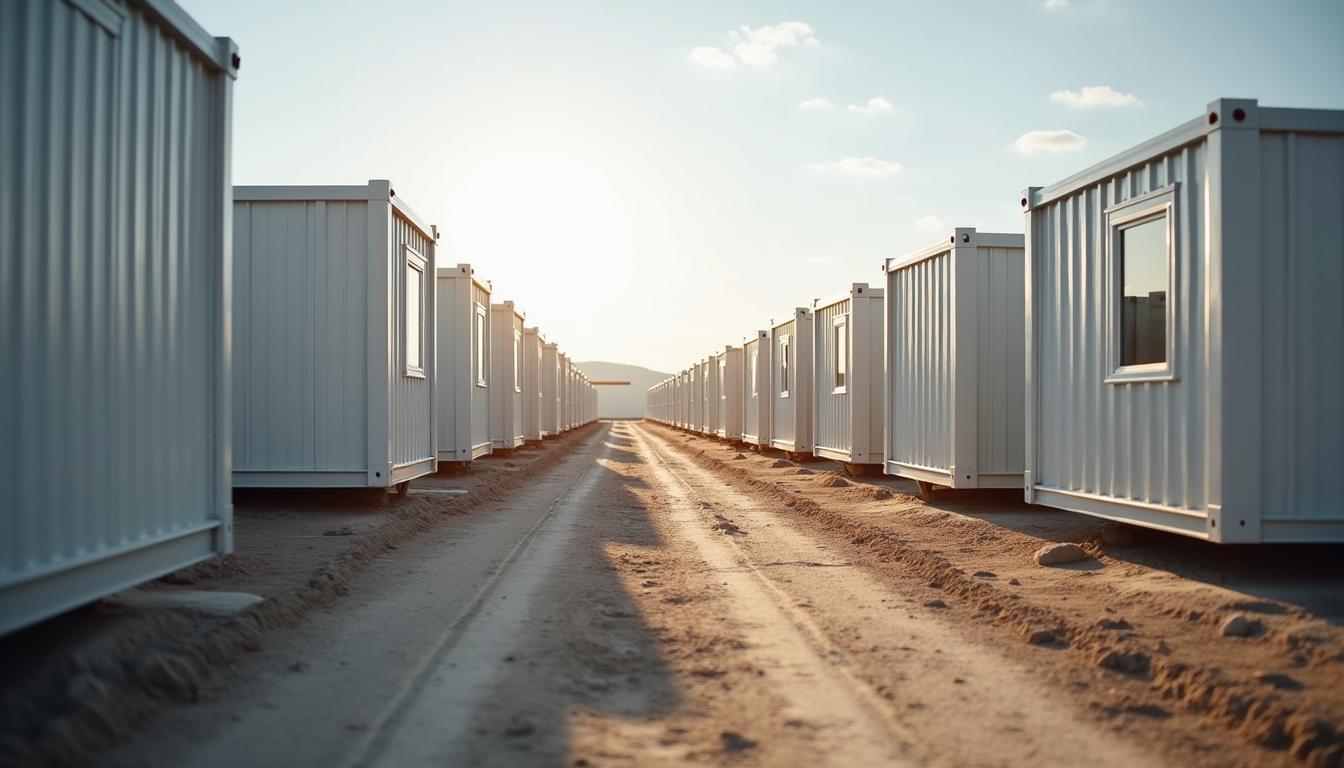
Innovative housing options encompass a broad spectrum of designs, materials, and construction techniques aimed at reducing costs while enhancing quality and sustainability. Modular construction, for instance, has emerged as a transformative approach. By fabricating housing components in controlled factory environments, modular building reduces waste, accelerates timelines, and ensures consistent quality. This method is particularly advantageous in disaster relief scenarios where rapid deployment is critical.
Another promising avenue is the use of alternative materials such as cross-laminated timber (CLT), recycled plastics, and compressed earth blocks. These materials not only lower environmental impact but also often reduce costs compared to traditional concrete and steel. For example, CLT panels provide structural strength with a smaller carbon footprint, making them suitable for multi-story affordable housing projects.
Community land trusts (CLTs) represent an innovative financial and governance model. By separating land ownership from housing ownership, CLTs maintain long-term affordability and empower residents through collective stewardship. This model has been successfully implemented in various regions to stabilize neighborhoods and prevent displacement.
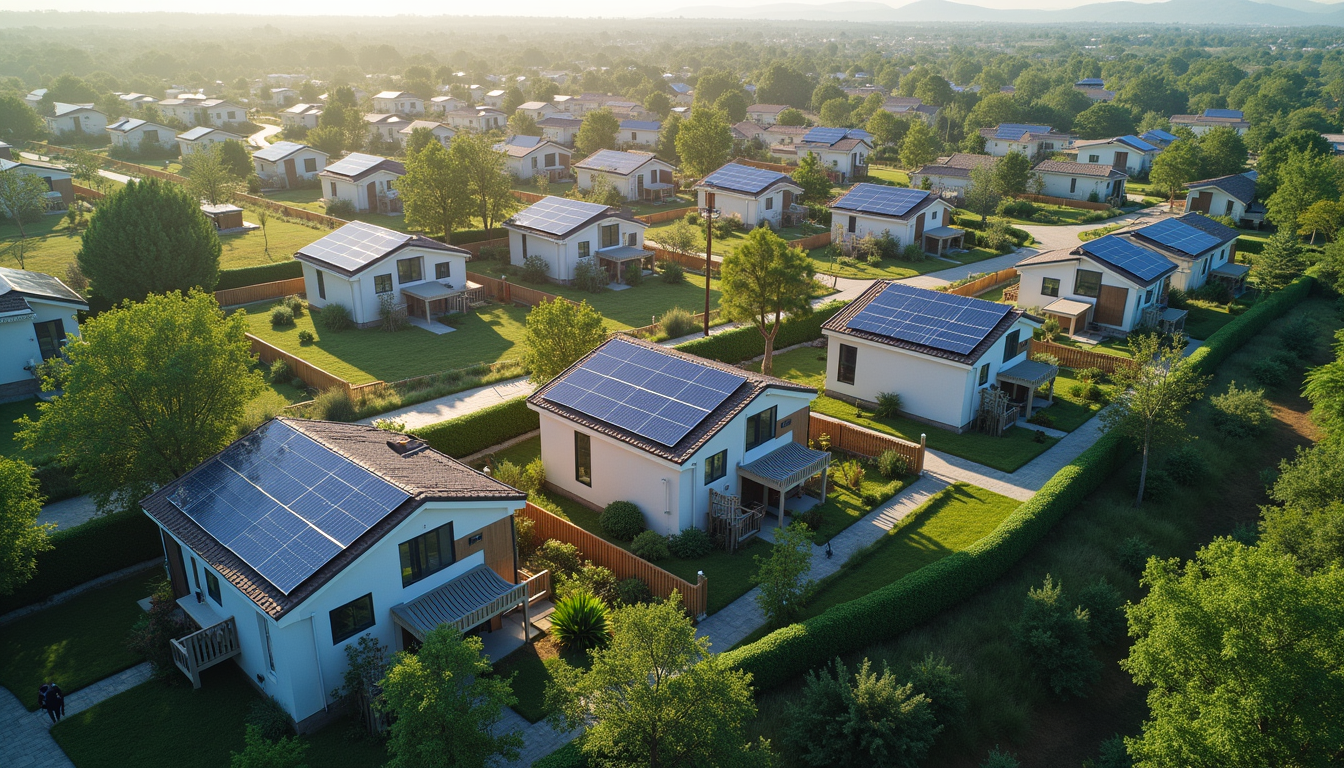
Incorporating smart technology into affordable housing is another frontier. Energy-efficient appliances, solar panels, and smart meters reduce utility costs for residents, enhancing affordability over time. Additionally, integrating green spaces and communal areas promotes social cohesion and improves mental well-being, which are essential components of sustainable community development.
Key Innovative Housing Options Transforming Communities
Several innovative housing options have demonstrated effectiveness in diverse settings, each with unique advantages:
Prefabricated and Modular Homes
Prefabrication allows for mass production of housing units with precision and speed. These homes can be customized to local climate conditions and cultural preferences. Their rapid assembly reduces labor costs and minimizes disruption to existing communities.
Tiny Homes and Micro-Apartments
Compact living spaces optimize land use and reduce construction expenses. Tiny homes are particularly suitable for transitional housing and can be clustered to form micro-communities with shared amenities.
3D-Printed Housing
Utilizing additive manufacturing, 3D printing can produce entire housing structures with minimal material waste. This technology is gaining traction for its potential to deliver affordable, durable homes quickly, especially in remote or disaster-affected areas.
Adaptive Reuse of Existing Structures
Converting underutilized buildings such as warehouses or office spaces into residential units leverages existing infrastructure, reducing costs and preserving urban fabric.
Sustainable Building Materials and Techniques
Employing renewable resources and energy-efficient designs lowers long-term operational costs. Passive solar design, rainwater harvesting, and natural ventilation are examples of sustainable practices that enhance affordability.
Each of these options can be tailored to specific community needs, regulatory environments, and budget constraints. The integration of these approaches often yields the most effective outcomes.
What Disqualifies You from Public Housing in Tennessee?
Understanding eligibility criteria for public housing is crucial for effective allocation of resources and ensuring that assistance reaches those most in need. In Tennessee, several factors can disqualify applicants from public housing programs:
- Income Limits: Applicants must meet specific income thresholds, which vary by family size and local median income. Exceeding these limits results in disqualification.
- Criminal History: Certain criminal convictions, particularly those related to drug offenses or violent crimes, may render an applicant ineligible.
- Previous Evictions: A history of eviction from public housing or federally assisted housing can disqualify an individual or family.
- Non-Citizen Status: Applicants must be U.S. citizens or have eligible immigration status.
Failure to Comply with Program Rules: Non-compliance with lease agreements or program requirements in prior housing assistance can lead to disqualification.
These criteria ensure that public housing resources are allocated fairly and effectively. However, they also highlight the need for alternative affordable housing options to serve those who may not qualify for traditional public housing programs.
Implementing Affordable Housing Solutions with Sustainability and Speed
The intersection of sustainability and rapid deployment is critical in addressing housing shortages, particularly in disaster relief contexts. Prefabricated and modular construction methods enable swift assembly without compromising environmental standards. For example, J. L. Filbey & Sons Capital Partners specializes in delivering rapid-build, sustainable housing that meets stringent quality and ecological benchmarks.
To maximize impact, stakeholders should consider the following actionable recommendations:
- Collaborate Across Sectors: Governments, NGOs, and private enterprises must coordinate efforts to leverage expertise, funding, and logistical capabilities.
- Prioritize Local Materials and Labor: Utilizing local resources reduces costs and supports community economies.
- Incorporate Resilience Features: Housing designs should withstand local environmental hazards such as floods, earthquakes, or hurricanes.
- Engage Communities in Planning: Inclusive design processes ensure that housing meets cultural and social needs, fostering acceptance and long-term success.
Leverage Technology for Monitoring and Maintenance: Smart systems can track building performance and facilitate timely repairs, extending housing lifespan.
By adopting these strategies, affordable housing solutions can be delivered efficiently, sustainably, and equitably.
Future Directions in Affordable Housing Innovation
The future of affordable housing lies in continuous innovation and adaptability. Emerging technologies such as artificial intelligence and machine learning can optimize design and construction processes, reducing costs and improving quality. Additionally, blockchain technology offers potential for transparent land and property management, enhancing trust and efficiency.
Urban planning must also evolve to integrate mixed-use developments that combine residential, commercial, and recreational spaces. This approach promotes economic vitality and reduces transportation costs for residents.
Furthermore, policy frameworks should incentivize sustainable practices and support experimental housing models. Financial instruments like social impact bonds and public-private partnerships can mobilize capital for large-scale affordable housing projects.
Ultimately, the goal is to create housing ecosystems that are not only affordable but also resilient, inclusive, and conducive to human flourishing. By embracing innovation and collaboration, stakeholders can transform the housing landscape to meet the pressing needs of communities worldwide.
This exploration of innovative affordable housing options underscores the importance of diverse, adaptable strategies in addressing global housing challenges. Through the integration of advanced construction techniques, sustainable materials, and inclusive governance models, it is possible to deliver effective affordable housing solutions that serve every community with dignity and resilience.
Planning a resilient housing project?
Request a Proposal