
Innovative Affordable Housing Solutions for Communities: Exploring Innovative Housing Options

Addressing the global challenge of housing affordability requires a multifaceted approach that combines innovation, sustainability, and rapid deployment. As urban populations swell and disaster events increase in frequency, the demand for cost-effective, durable, and scalable housing solutions has never been more urgent. This article explores innovative housing options designed to meet these pressing needs, focusing on practical strategies that governments, NGOs, and private enterprises can implement to provide shelter for underserved communities and disaster-affected populations.
Exploring Innovative Housing Options for Rapid Deployment
Innovative housing options have evolved significantly over the past decade, driven by advances in construction technology, materials science, and design thinking. Prefabricated and modular homes, for example, offer a compelling alternative to traditional construction methods. These homes are manufactured off-site in controlled environments, allowing for faster assembly, reduced waste, and lower labor costs. The precision of factory production also enhances quality control, ensuring that structures meet stringent safety and durability standards.
Another promising approach involves the use of sustainable materials such as cross-laminated timber (CLT), recycled plastics, and hempcrete. These materials not only reduce the environmental footprint of housing projects but also improve insulation and energy efficiency. Incorporating renewable energy systems, such as solar panels and passive heating designs, further enhances the sustainability profile of these homes.
In addition to material innovation, design flexibility plays a crucial role. Modular units can be customized to accommodate different family sizes and cultural preferences, while also allowing for future expansion. This adaptability is essential for communities recovering from disasters, where housing needs may evolve rapidly.

Modular housing units assembled for rapid deployment in a community setting.
The Role of Technology in Affordable Housing Solutions
Technology integration is transforming the landscape of affordable housing solutions. Digital tools such as Building Information Modeling (BIM) enable precise planning and coordination, reducing errors and accelerating project timelines. Drones and 3D scanning technologies facilitate site surveys and progress monitoring, improving efficiency and safety.
3D printing technology is particularly noteworthy for its potential to revolutionize construction. Large-scale 3D printers can fabricate entire building components or even complete structures using concrete or composite materials. This method drastically reduces labor requirements and material waste, making it an attractive option for rapid, cost-effective housing production.
Smart home technologies also contribute to long-term affordability by optimizing energy consumption and maintenance. Sensors can monitor structural health, detect leaks, and automate climate control, thereby lowering utility costs and extending the lifespan of housing units.
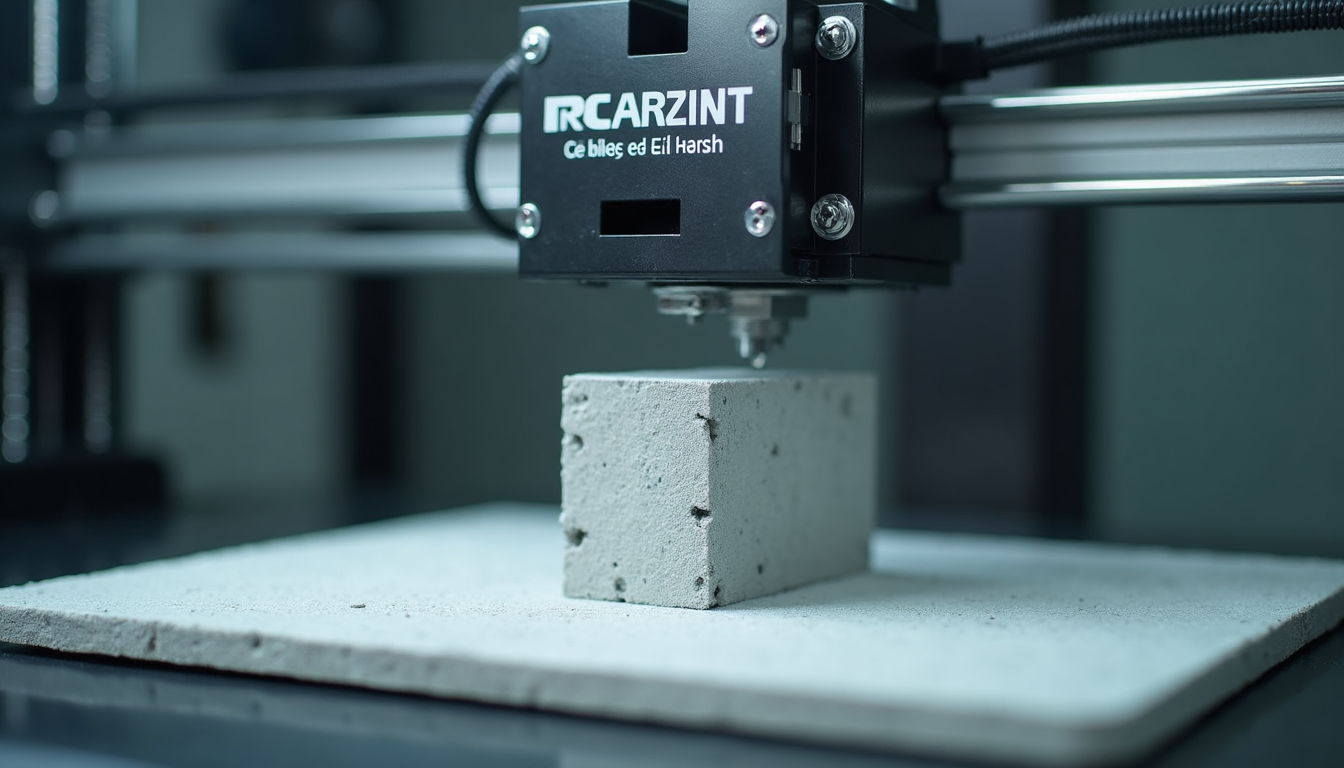
3D printing technology used in affordable housing construction.
Where can I live for $500 a month in the USA?
Finding housing for $500 a month in the United States is challenging but not impossible, particularly in rural areas or smaller towns where the cost of living is lower. States such as Ohio, Indiana, and parts of the Midwest offer rental options within this budget, often in communities with lower population densities. However, these options may come with trade-offs in terms of amenities, transportation access, and employment opportunities.
Innovative housing options, such as tiny homes or shared living arrangements, can also make $500 monthly housing feasible in more urbanized areas. Tiny homes, typically under 400 square feet, minimize construction and utility costs while providing essential living spaces. Co-housing communities, where residents share common facilities, reduce individual expenses and foster social support networks.
For disaster relief and underserved communities, deploying modular or prefabricated units priced to fit within this budget can provide immediate shelter while longer-term solutions are developed. Partnerships between governments, NGOs, and private enterprises are critical to scaling these initiatives and ensuring equitable access.
Strategies for Scaling Affordable Housing Solutions Globally
Scaling affordable housing solutions requires coordinated efforts across multiple sectors. Public-private partnerships (PPPs) are instrumental in mobilizing resources, expertise, and policy support. Governments can facilitate land acquisition, streamline permitting processes, and provide subsidies or tax incentives to encourage investment in affordable housing projects.
NGOs play a vital role in community engagement, needs assessment, and capacity building. Their on-the-ground presence ensures that housing solutions are culturally appropriate and responsive to local conditions. Private enterprises contribute innovation, technology, and capital, driving efficiency and quality improvements.
Financing models such as social impact bonds and microfinance can unlock capital for housing projects while aligning incentives for social outcomes. Additionally, adopting standardized designs and construction methods enables replication and cost reduction across different regions.
Education and training programs for local labor forces enhance sustainability by creating jobs and building skills necessary for maintenance and future construction. Integrating disaster resilience features into housing designs, such as elevated foundations and reinforced structures, further protects vulnerable populations.
Future Directions in Sustainable and Rapid-Build Housing
Looking ahead, the convergence of technology, sustainability, and social innovation will continue to shape the future of affordable housing. Advances in materials science may yield even more durable, lightweight, and eco-friendly building components. Automation and robotics could further reduce construction times and costs, enabling rapid response to emergencies.
Data analytics and artificial intelligence will enhance planning and resource allocation, optimizing housing deployment based on demographic trends and environmental risks. Community-driven design processes will ensure that housing solutions meet the diverse needs of residents, fostering inclusion and resilience.
As organizations like J. L. Filbey & Sons Capital Partners expand their global reach, collaboration across sectors and borders will be essential. By leveraging innovative housing options and integrating them into comprehensive strategies, it is possible to address the urgent demand for shelter in disaster relief contexts and underserved communities worldwide.
The pursuit of affordable housing solutions is not merely a technical challenge but a humanitarian imperative. Through sustained commitment and innovation, it is feasible to create housing that is accessible, dignified, and sustainable for all.
Implementing Practical Steps for Immediate Impact
To translate these concepts into action, stakeholders should prioritize the following steps:
Assessment and Planning - Conduct thorough needs assessments to identify target populations and site conditions.
Technology Adoption - Invest in modular construction, 3D printing, and sustainable materials to reduce costs and timelines.
Policy Support - Advocate for regulatory reforms that facilitate rapid permitting and incentivize affordable housing development.
Community Engagement - Involve residents in design and decision-making to ensure relevance and acceptance.
Capacity Building - Train local workers and establish maintenance programs to sustain housing quality.
Monitoring and Evaluation - Implement robust systems to track project outcomes and inform continuous improvement.
By following these guidelines, governments, NGOs, and private enterprises can make significant strides toward resolving housing shortages and enhancing community resilience.
This comprehensive exploration of innovative housing options underscores the critical role of collaboration, technology, and sustainability in addressing global housing challenges. The path forward demands both visionary thinking and pragmatic execution to ensure that safe, affordable homes are within reach for all communities in need.
Planning a resilient housing project?
Request a Proposal