
Innovative Approaches to Cost-Effective Housing Initiatives

The global demand for affordable housing has never been more urgent. Rapid urbanization, economic disparities, and natural disasters have intensified the need for innovative, cost-effective housing initiatives. These initiatives must not only address affordability but also sustainability, speed of construction, and adaptability to diverse environments. In this article, I explore several pioneering strategies that governments, NGOs, and private enterprises can adopt to meet this pressing challenge effectively.
Exploring Cost-Effective Housing Initiatives
Cost-effective housing initiatives are essential to bridge the gap between housing demand and supply, especially in underserved communities and disaster-affected regions. These initiatives focus on reducing construction costs, minimizing environmental impact, and accelerating project timelines without compromising quality or safety.
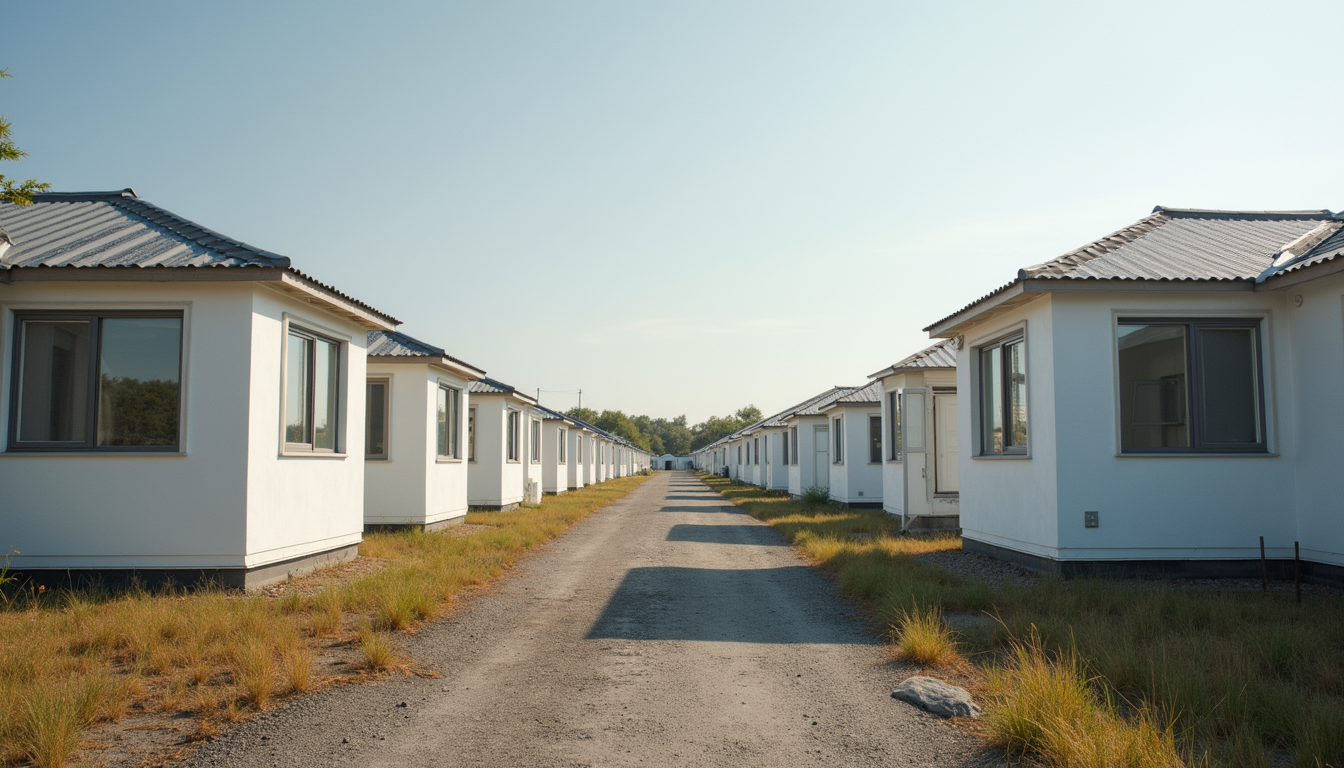
One promising approach is the use of modular construction techniques. Modular homes are prefabricated in controlled factory settings and then transported to the site for assembly. This method reduces labor costs, construction waste, and delays caused by weather conditions. Additionally, modular homes can be customized to meet local building codes and cultural preferences, making them highly adaptable.
Another innovative strategy involves 3D printing technology. This cutting-edge method allows for the rapid creation of building components or entire structures using concrete or composite materials. 3D printing significantly lowers material waste and labor expenses while enabling complex architectural designs that traditional methods cannot easily achieve.
Furthermore, adaptive reuse of existing structures offers a sustainable and cost-effective solution. Repurposing abandoned buildings or underutilized commercial spaces into residential units can revitalize neighborhoods and reduce the need for new construction materials. This approach also preserves historical architecture and minimizes urban sprawl.
Sustainable Materials and Technologies in Housing
Sustainability is a critical component of modern housing initiatives. Utilizing eco-friendly materials and energy-efficient technologies not only reduces environmental impact but also lowers long-term operational costs for residents.
One material gaining traction is cross-laminated timber (CLT). CLT is a renewable resource that offers excellent structural strength and thermal insulation. It is lighter than concrete and steel, which reduces transportation costs and foundation requirements. Moreover, CLT construction emits less carbon dioxide, aligning with global climate goals.
Incorporating solar panels and passive solar design into housing projects enhances energy efficiency. Passive solar design optimizes natural light and heat, reducing reliance on artificial heating and cooling systems. Solar panels provide renewable energy, decreasing utility expenses and increasing resilience in off-grid or disaster-prone areas.
Water conservation technologies, such as rainwater harvesting systems and greywater recycling, are also integral to sustainable housing. These systems reduce dependence on municipal water supplies and promote self-sufficiency, particularly in regions facing water scarcity.
Where can I live for $500 a month in the USA?
Affordability is a paramount concern for many individuals and families. While $500 per month may seem challenging in many urban centers, several regions in the United States offer housing options within this budget, often through innovative cost-effective housing initiatives.
In the Midwest and Southern states, cities like Cleveland, Ohio; Memphis, Tennessee; and Tulsa, Oklahoma provide rental markets where $500 can secure modest apartments or shared housing arrangements. These areas benefit from lower land and construction costs, making affordable housing more attainable.
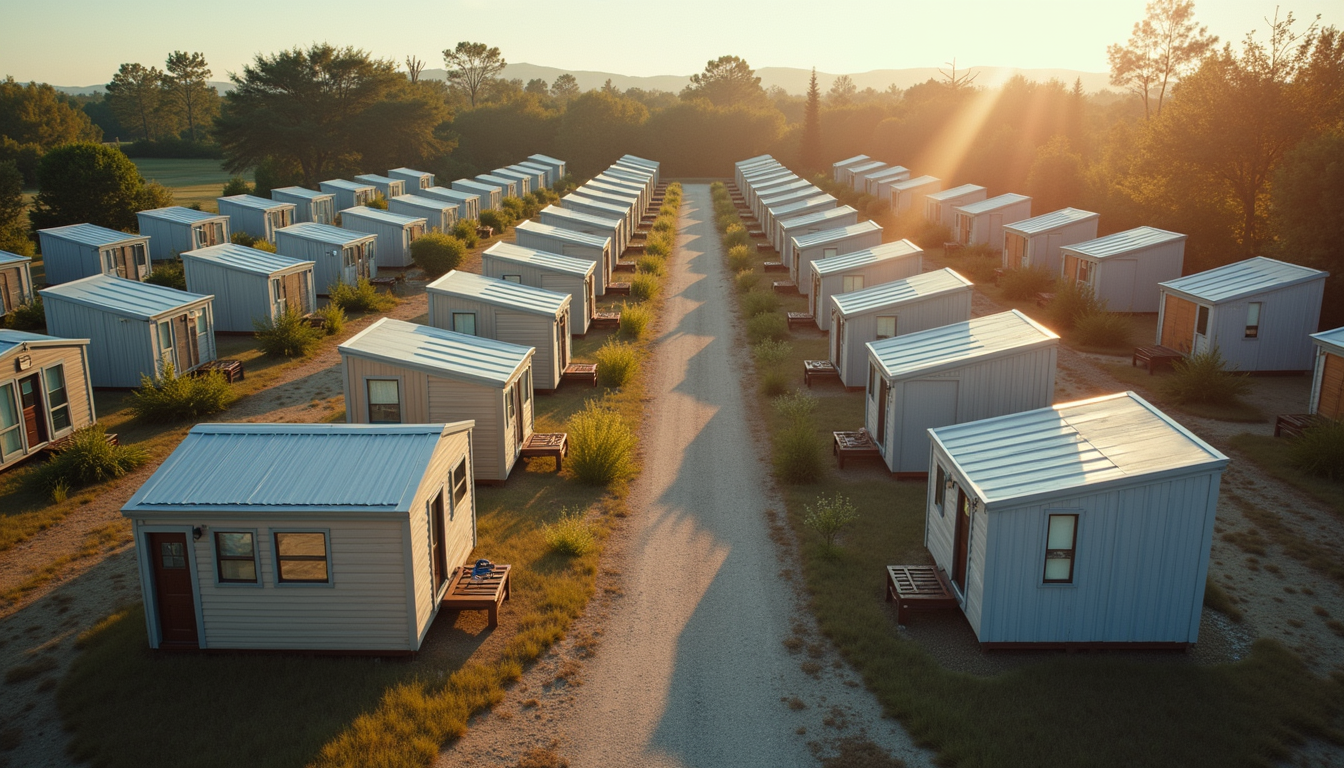
Additionally, tiny homes and micro-apartments have emerged as viable options for low-income residents. These compact living spaces maximize functionality while minimizing costs. Some municipalities have relaxed zoning laws to encourage the development of tiny home communities, which can be rented or purchased within the $500 monthly budget.
It is important to note that while these options exist, they often require careful consideration of location, transportation access, and community services to ensure a sustainable living environment.
Leveraging Public-Private Partnerships for Housing Development
Collaboration between public entities and private enterprises is crucial to scaling cost-effective housing initiatives. Public-private partnerships (PPPs) combine government resources and regulatory support with private sector innovation and capital.
Governments can facilitate affordable housing by providing land grants, tax incentives, and streamlined permitting processes. In turn, private developers bring expertise in construction, project management, and financing. This synergy accelerates project delivery and enhances quality control.
One successful model involves social impact bonds, where private investors fund housing projects upfront and receive returns based on measurable social outcomes, such as reduced homelessness or improved community health. This approach aligns financial incentives with social goals, attracting diverse funding sources.
Moreover, NGOs play a vital role in community engagement, ensuring that housing solutions meet the specific needs of residents. Their involvement helps tailor projects to cultural contexts and fosters local ownership, which is essential for long-term success.
Future Directions in Affordable Housing Innovation
Looking ahead, the integration of smart technologies and data analytics promises to revolutionize affordable housing. Smart homes equipped with sensors can optimize energy use, monitor structural health, and enhance security, reducing maintenance costs and improving residents' quality of life.
Data-driven planning enables stakeholders to identify housing needs accurately, allocate resources efficiently, and monitor project impacts in real time. Geographic information systems (GIS) and artificial intelligence (AI) can predict population growth, disaster risks, and infrastructure demands, guiding strategic investments.
Additionally, expanding the use of circular economy principles in construction—such as recycling materials and designing for disassembly—will further reduce costs and environmental footprints.
For those seeking comprehensive affordable housing solutions, embracing these innovative approaches is essential to meeting the growing global demand sustainably and equitably.
Embracing Innovation for a Sustainable Housing Future
The challenges of providing affordable, sustainable housing are complex but not insurmountable. By adopting modular construction, sustainable materials, and advanced technologies, stakeholders can deliver cost-effective housing initiatives that respond to urgent needs.
Collaboration across sectors, informed by data and driven by social impact, will be the cornerstone of future success. As these innovative approaches gain traction, they will not only provide shelter but also foster resilient, thriving communities worldwide.
The path forward requires commitment, creativity, and a willingness to embrace new paradigms in housing development. Through these efforts, it is possible to transform the landscape of affordable housing and ensure that safe, dignified living spaces are accessible to all.
Planning a resilient housing project?
Request a Proposal