
Innovative Approaches to Cost-Effective Housing Options

The global demand for affordable housing continues to escalate, driven by rapid urbanization, population growth, and economic disparities. Addressing this challenge requires innovative strategies that combine sustainability, speed, and cost-efficiency. As someone deeply involved in the development of rapid-build and sustainable housing, I have observed that the integration of modern technology, modular construction, and community-centric planning can revolutionize how affordable housing is delivered. This article explores several innovative approaches to cost-effective housing options, emphasizing practical solutions that governments, NGOs, and private enterprises can adopt to meet urgent housing needs, especially in disaster relief and underserved communities.
Exploring Cost-Effective Housing Options
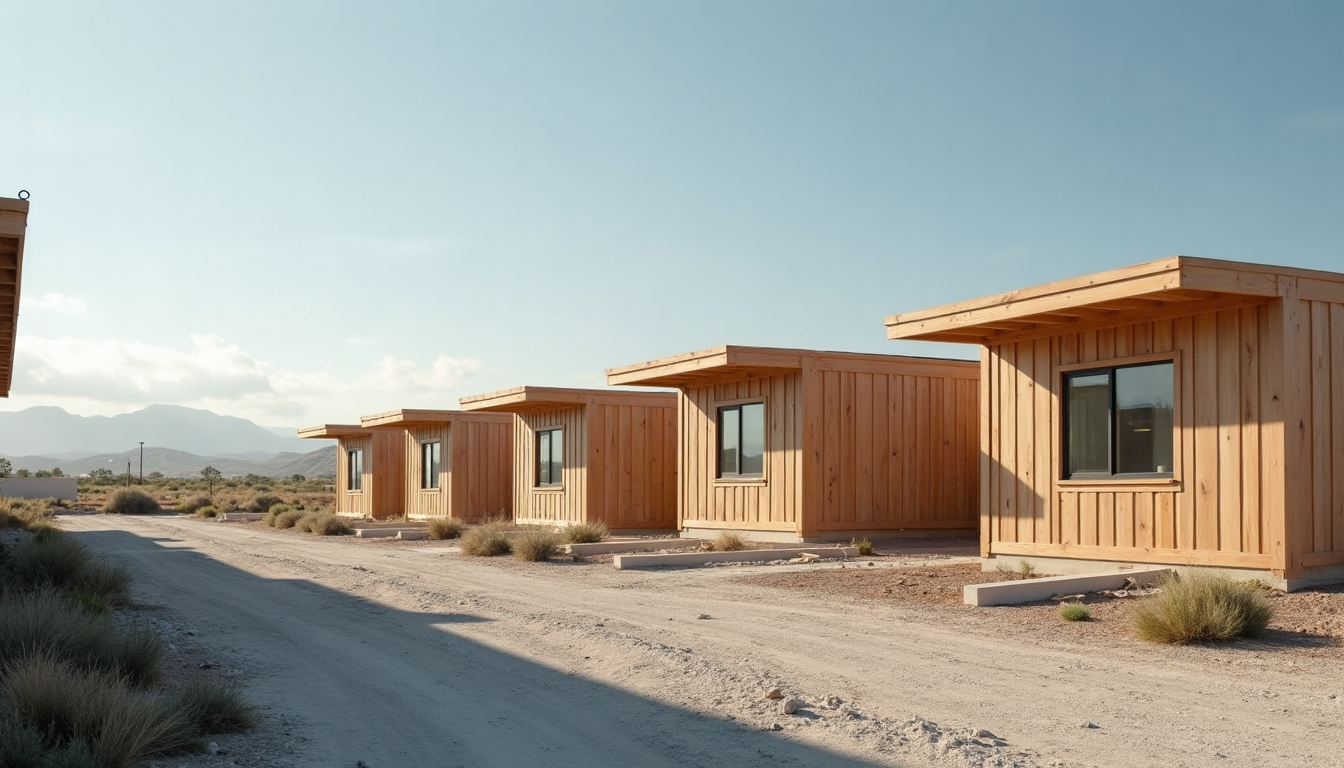
Cost-effective housing options are no longer limited to traditional construction methods. Advances in materials science, prefabrication, and design have opened new avenues for creating durable, affordable homes with reduced environmental impact. One of the most promising approaches is modular construction, where housing units are manufactured off-site in controlled environments and then assembled quickly on location. This method reduces labor costs, minimizes waste, and accelerates project timelines.
Another innovative option is the use of alternative building materials such as recycled plastics, compressed earth blocks, and cross-laminated timber. These materials not only lower costs but also enhance sustainability by reducing reliance on conventional concrete and steel. For example, compressed earth blocks utilize locally available soil, which cuts transportation expenses and supports local economies.
In addition to materials and construction techniques, integrating smart design principles can optimize space utilization and energy efficiency. Compact floor plans, multi-functional furniture, and passive solar design contribute to lowering both initial construction costs and long-term utility expenses. These elements are crucial for ensuring that housing remains affordable not only to build but also to maintain.
The Role of Technology in Affordable Housing Solutions
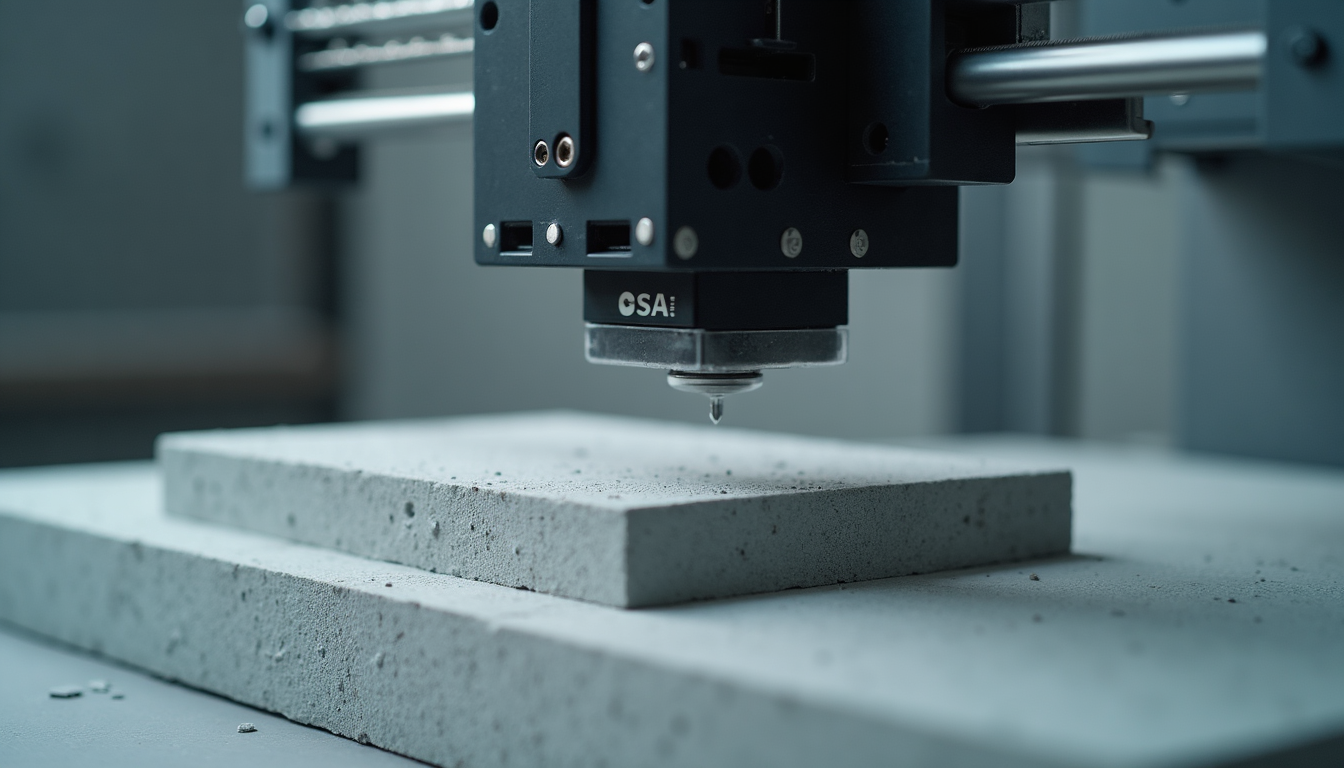
Technology plays a pivotal role in transforming affordable housing. Digital tools such as Building Information Modeling (BIM) enable precise planning and coordination, reducing errors and rework during construction. Moreover, 3D printing technology has emerged as a groundbreaking method for producing housing components or even entire structures at a fraction of traditional costs.
3D printing allows for customization and rapid prototyping, which is particularly beneficial in disaster relief scenarios where speed and adaptability are critical. For instance, 3D-printed concrete homes can be erected within days, providing immediate shelter to displaced populations. This technology also supports the use of sustainable materials, further aligning with environmental goals.
Additionally, integrating renewable energy systems such as solar panels and energy-efficient appliances into affordable housing projects enhances resilience and reduces operational costs. Smart home technologies can monitor energy consumption and optimize resource use, making these homes more sustainable and affordable over time.
Where can I live for $500 a month in the USA?
Finding housing for $500 a month in the United States is challenging but not impossible, especially when considering innovative and cost-effective housing options. Certain rural areas and smaller towns offer rental properties within this budget, often due to lower living costs and less demand. However, these locations may lack access to some urban amenities.
Another viable option is shared housing or co-living arrangements, where individuals rent private rooms within a larger home or apartment. This model reduces individual expenses while fostering community support. Additionally, some nonprofit organizations and government programs provide subsidized housing or rent assistance targeted at low-income residents.
Innovative housing solutions such as tiny homes and modular units are increasingly being deployed in affordable housing projects across the country. These units often come with lower rent due to their smaller size and efficient design. Cities experimenting with zoning reforms to allow accessory dwelling units (ADUs) also expand affordable housing availability.
For those interested in exploring more about affordable housing solutions, I recommend visiting affordable housing solutions for comprehensive resources and partnerships.
Sustainable Practices in Affordable Housing Development
Sustainability is a cornerstone of modern affordable housing development. Incorporating eco-friendly practices not only reduces environmental impact but also lowers utility costs for residents, enhancing affordability in the long term. Key sustainable practices include:
- Energy-efficient building envelopes: Proper insulation, high-performance windows, and airtight construction reduce heating and cooling demands.
- Water conservation systems: Rainwater harvesting, low-flow fixtures, and greywater recycling minimize water usage.
- Renewable energy integration: Solar panels and geothermal systems provide clean energy and reduce reliance on fossil fuels.
- Use of recycled and locally sourced materials: This approach decreases transportation emissions and supports circular economies.
Implementing these practices requires collaboration among architects, engineers, and policymakers to ensure that sustainability goals align with budget constraints. Incentives such as tax credits and grants can encourage developers to adopt green technologies in affordable housing projects.
Collaborative Models for Rapid Deployment
Rapid deployment of affordable housing is essential in disaster relief and emergency response scenarios. Collaborative models involving governments, NGOs, and private enterprises can streamline processes and pool resources effectively. Public-private partnerships (PPPs) have proven successful in accelerating housing projects by combining regulatory support with private sector innovation.
Community involvement is another critical factor. Engaging local residents in the planning and construction phases fosters ownership and ensures that housing solutions meet cultural and social needs. Training programs can empower community members to participate in building efforts, reducing labor costs and enhancing skills.
Furthermore, standardized designs and modular components facilitate scalability and replication across different regions. By developing adaptable housing templates, organizations can respond swiftly to varying demands without compromising quality or affordability.
Advancing Affordable Housing Through Innovation
The future of affordable housing lies in embracing innovation across all facets of development. From cutting-edge construction technologies to sustainable design and collaborative frameworks, these approaches collectively address the complex challenges of housing affordability. As I continue to work alongside partners dedicated to this mission, it is clear that integrating these strategies will enable us to provide rapid, sustainable, and cost-effective housing solutions worldwide.
By prioritizing innovation and cooperation, stakeholders can transform the landscape of affordable housing, ensuring that vulnerable populations receive safe, dignified, and affordable shelter. The journey toward this goal demands ongoing commitment, research, and adaptation to emerging technologies and social dynamics.
For those interested in exploring practical and scalable affordable housing solutions, I encourage visiting affordable housing solutions to learn more about initiatives and partnerships driving this vital work forward.
Planning a resilient housing project?
Request a Proposal