
Innovative Cost-Effective Housing Options for All

The global demand for housing continues to rise, driven by population growth, urbanization, and the increasing frequency of natural disasters. Addressing this demand requires innovative, cost-effective housing options that can be rapidly deployed and sustainably maintained. As a professional deeply involved in the development and promotion of such solutions, I recognize the critical need for scalable, adaptable, and affordable housing models that serve diverse communities worldwide. This article explores a range of innovative strategies and technologies that governments, NGOs, and private enterprises can leverage to meet this pressing challenge.
Exploring Cost-Effective Housing Options
Cost-effective housing options are essential to bridge the gap between housing demand and supply, especially in underserved and disaster-affected regions. These options must balance affordability, durability, and speed of construction without compromising quality or sustainability. Several approaches have emerged as frontrunners in this domain:
Modular and Prefabricated Construction: Prefabrication allows for components to be manufactured off-site and assembled quickly on location. This method reduces labor costs, construction waste, and build times significantly. Modular homes can be customized to meet local needs and climatic conditions, making them highly adaptable.
Use of Alternative Building Materials: Innovations in materials such as compressed earth blocks, recycled plastics, and bamboo offer sustainable and affordable alternatives to traditional concrete and brick. These materials often have lower embodied energy and can be sourced locally, reducing transportation costs.
3D Printing Technology: 3D printing in construction is revolutionizing the industry by enabling the rapid creation of complex structures with minimal waste. This technology can produce entire housing units or critical components, offering a scalable solution for emergency housing needs.
Community-Driven Design and Construction: Engaging local communities in the design and building process ensures that housing solutions are culturally appropriate and meet specific needs. This participatory approach also fosters ownership and long-term maintenance.
Each of these options presents unique advantages and challenges, but collectively, they represent a toolkit for delivering affordable, sustainable housing at scale.
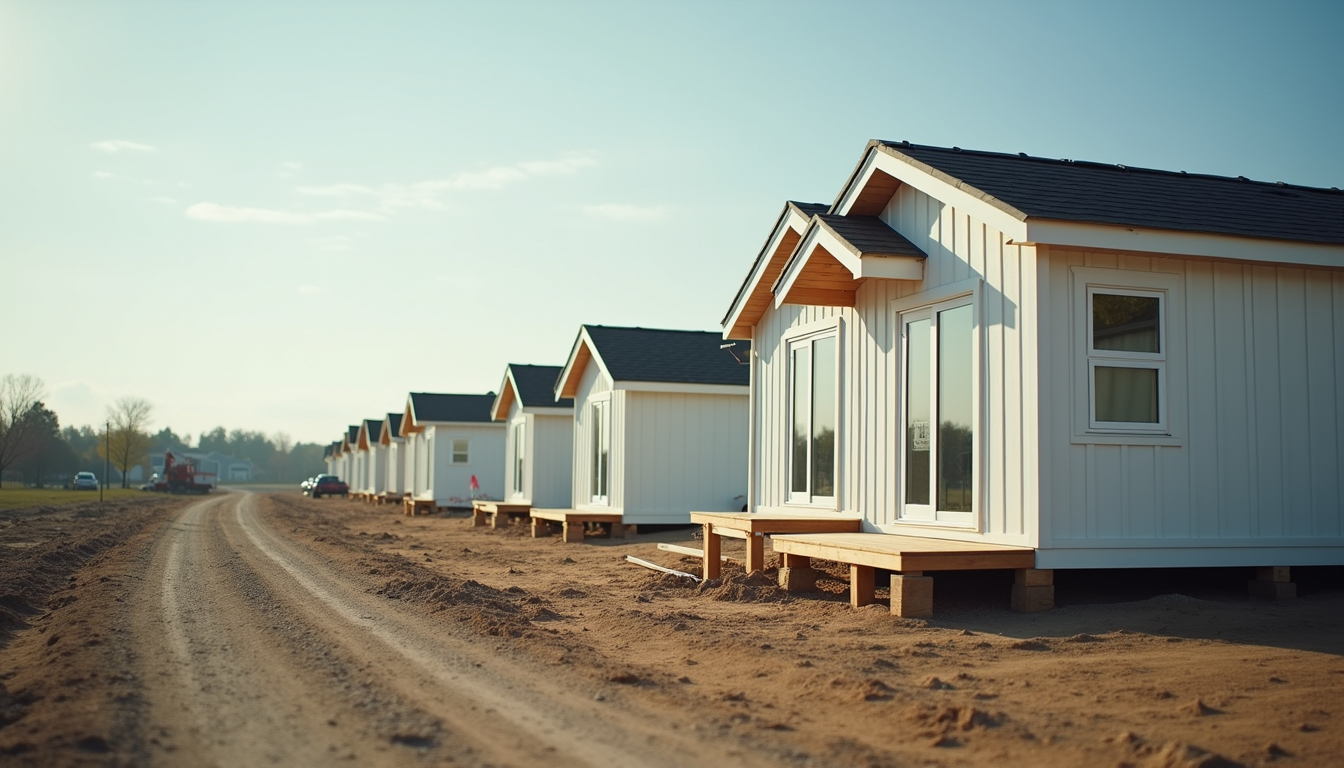
Leveraging Technology for Rapid Deployment
The integration of technology into housing development is a game-changer for cost-effective solutions. Rapid deployment is particularly crucial in disaster relief scenarios where displaced populations require immediate shelter. Technologies that facilitate this include:
Digital Design and Planning Tools: Advanced software enables precise architectural planning and structural analysis, reducing errors and optimizing material use. Building Information Modeling (BIM) allows stakeholders to collaborate efficiently, streamlining the construction process.
Automated Construction Equipment: Robotics and automated machinery can perform repetitive or hazardous tasks, improving safety and productivity. For example, robotic bricklayers and automated concrete mixers accelerate construction timelines.
Smart Materials and Energy Efficiency: Incorporating smart materials that regulate temperature or improve insulation reduces long-term energy costs. Solar panels and rainwater harvesting systems integrated into housing designs enhance sustainability and self-sufficiency.
Supply Chain Optimization: Digital platforms that manage logistics and inventory ensure timely delivery of materials, minimizing delays and cost overruns.
By harnessing these technologies, stakeholders can deliver housing solutions that are not only affordable but also resilient and environmentally responsible.
What disqualifies you from public housing in Tennessee?
Understanding eligibility criteria for public housing is essential for effective allocation of resources and ensuring that assistance reaches those in genuine need. In Tennessee, several factors can disqualify applicants from public housing programs:
Criminal History: Individuals with certain felony convictions, particularly those involving violence, drug offenses, or sexual crimes, may be ineligible.
Previous Evictions: A history of eviction from public or subsidized housing due to lease violations can result in disqualification.
Income Limits: Applicants must meet specific income thresholds; exceeding these limits disqualifies them from assistance.
Non-Compliance with Program Rules: Failure to comply with previous housing program requirements, such as providing accurate information or maintaining the property, can lead to denial.
Lack of Citizenship or Eligible Immigration Status: Public housing programs typically require applicants to be U.S. citizens or have eligible immigration status.
These criteria ensure that public housing resources are allocated fairly and effectively, but they also highlight the need for alternative affordable housing solutions for those who do not qualify.
Sustainable Practices in Affordable Housing Development
Sustainability is a cornerstone of modern housing development, particularly when addressing affordability. Sustainable practices reduce environmental impact, lower operational costs, and improve residents' quality of life. Key sustainable strategies include:
Energy-Efficient Design: Incorporating passive solar design, natural ventilation, and high-performance insulation reduces energy consumption.
Water Conservation Measures: Low-flow fixtures, greywater recycling, and rainwater harvesting systems minimize water use.
Waste Reduction: Utilizing recycled materials and designing for deconstruction facilitate waste minimization and material reuse.
Green Spaces and Urban Agriculture: Integrating green areas and community gardens promotes biodiversity and food security.
Renewable Energy Integration: Solar panels, wind turbines, and geothermal systems provide clean energy sources, reducing reliance on fossil fuels.
Implementing these practices requires upfront investment but yields long-term savings and environmental benefits, making them integral to cost-effective housing options.
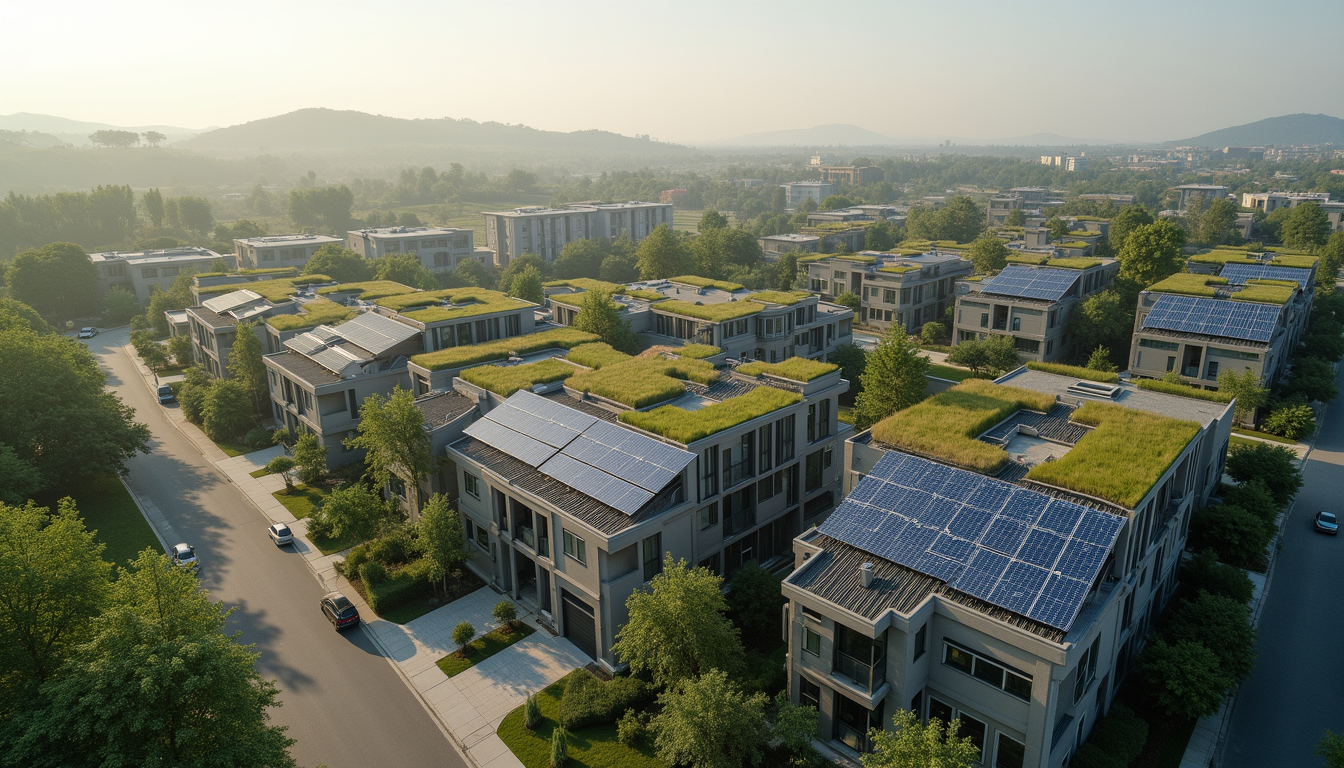
Strategic Partnerships for Expanding Housing Reach
Achieving widespread impact in affordable housing necessitates collaboration among governments, NGOs, and private enterprises. Strategic partnerships enable resource sharing, knowledge exchange, and coordinated action. Effective partnership models include:
Public-Private Partnerships (PPPs): These collaborations leverage private sector efficiency and innovation with public sector oversight and funding to deliver housing projects.
NGO and Community Organization Alliances: NGOs often have deep local knowledge and community trust, facilitating needs assessment and resident engagement.
International Cooperation: Cross-border partnerships can mobilize technical expertise and financial resources for large-scale housing initiatives, especially in disaster-prone regions.
Corporate Social Responsibility (CSR) Programs: Private enterprises can contribute through CSR initiatives, providing funding, materials, or technical support.
By fostering these partnerships, stakeholders can amplify their impact, ensuring that innovative, affordable housing solutions reach those most in need efficiently and sustainably.
Advancing Towards a Future of Inclusive Housing
The pursuit of innovative, cost-effective housing options is not merely a technical challenge but a social imperative. It demands a holistic approach that integrates technology, sustainability, community engagement, and strategic collaboration. As I continue to engage with diverse stakeholders, it becomes clear that the future of housing lies in adaptable, scalable solutions that prioritize human dignity and environmental stewardship.
The journey towards universal access to safe, affordable housing is complex but achievable. By embracing emerging technologies, sustainable practices, and inclusive partnerships, we can transform the housing landscape. This transformation will not only address immediate needs but also build resilient communities capable of thriving amid future challenges.
For those invested in this mission, exploring and implementing affordable housing solutions is a critical step towards creating a more equitable and sustainable world.
Planning a resilient housing project?
Request a Proposal