
Innovative Cost-Effective Housing Options for Modern Communities

The challenge of providing adequate housing for growing populations, especially in underserved and disaster-affected areas, demands innovative and cost-effective housing options. As urbanization accelerates and climate-related disasters increase, the need for rapid, sustainable, and affordable housing solutions becomes more urgent. This article explores cutting-edge approaches to affordable housing, emphasizing practical strategies that governments, NGOs, and private enterprises can adopt to meet these pressing demands.
Exploring Cost-Effective Housing Options for Rapid Deployment
Cost-effective housing options are essential for addressing the housing deficit in both urban and rural settings. These options must balance affordability, durability, and speed of construction without compromising quality or sustainability. Among the most promising approaches are modular construction, prefabricated homes, and the use of alternative building materials.
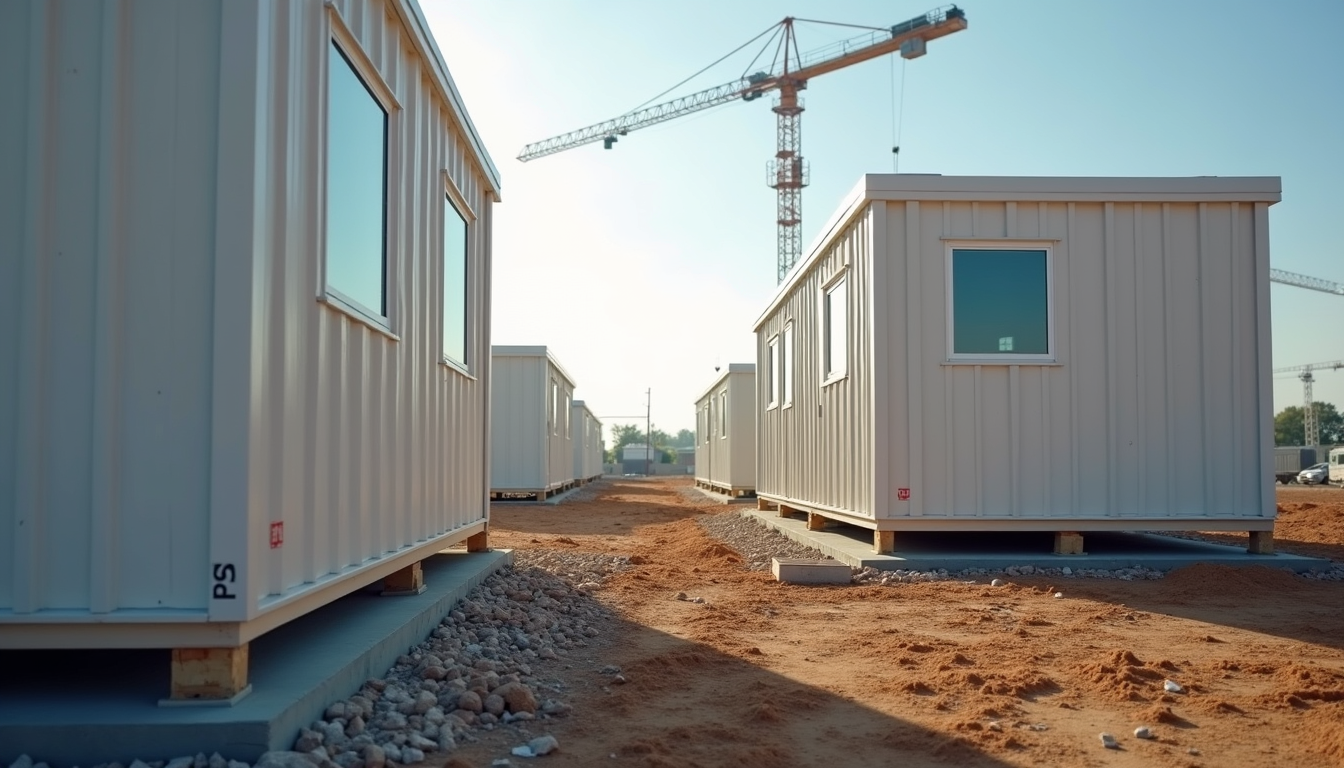
Modular construction involves fabricating sections of a building off-site in controlled factory environments. These modules are then transported and assembled on-site, significantly reducing construction time and labor costs. This method also minimizes waste and environmental impact, aligning with sustainability goals.
Prefabricated homes share similarities with modular construction but often include entire units or panels that can be quickly assembled. Prefabrication allows for standardization, which lowers costs and ensures consistent quality. It is particularly effective in disaster relief scenarios where rapid shelter provision is critical.
Alternative building materials such as recycled plastics, compressed earth blocks, and bamboo offer sustainable and affordable alternatives to traditional concrete and brick. These materials often require less energy to produce and can be sourced locally, reducing transportation costs and supporting local economies.
Sustainable Design Principles in Affordable Housing Solutions
Sustainability is a cornerstone of modern housing development, especially when addressing the needs of vulnerable populations. Incorporating energy-efficient designs, renewable energy sources, and water conservation systems can drastically reduce the long-term costs of housing.
Passive solar design, for example, optimizes natural light and heat, reducing reliance on artificial heating and cooling. Green roofs and walls improve insulation and manage stormwater runoff, enhancing the building’s environmental performance.
Water-saving technologies such as rainwater harvesting and greywater recycling are increasingly integrated into affordable housing projects. These systems not only reduce utility costs but also promote resilience in areas prone to water scarcity.
Incorporating these sustainable features requires upfront investment but yields significant savings and environmental benefits over the building’s lifecycle. This approach aligns with the goals of organizations seeking to provide durable, low-maintenance housing that supports community well-being.
What disqualifies you from public housing in Tennessee?
Understanding eligibility criteria for public housing is crucial for effective housing policy and program implementation. In Tennessee, several factors can disqualify applicants from accessing public housing, which impacts how alternative housing solutions are designed and targeted.
Common disqualifications include:
- Criminal history: Certain convictions, especially those related to drug offenses or violent crimes, may render applicants ineligible.
- Income limits: Applicants must meet specific income thresholds, which vary by household size and local standards.
- Eviction history: Previous evictions for lease violations or non-payment can disqualify applicants.
- Citizenship status: Only U.S. citizens or eligible non-citizens qualify for public housing assistance.
Failure to comply with program rules: This includes providing false information or not meeting residency requirements.
These restrictions highlight the importance of developing alternative housing options that can serve populations excluded from traditional public housing programs. Rapid-build, affordable housing solutions can fill this gap by offering flexible, inclusive housing opportunities.
Innovative Technologies Driving Affordable Housing Forward
Technological advancements are revolutionizing the affordable housing sector. From 3D printing to smart home integration, these innovations enhance construction efficiency, reduce costs, and improve living conditions.
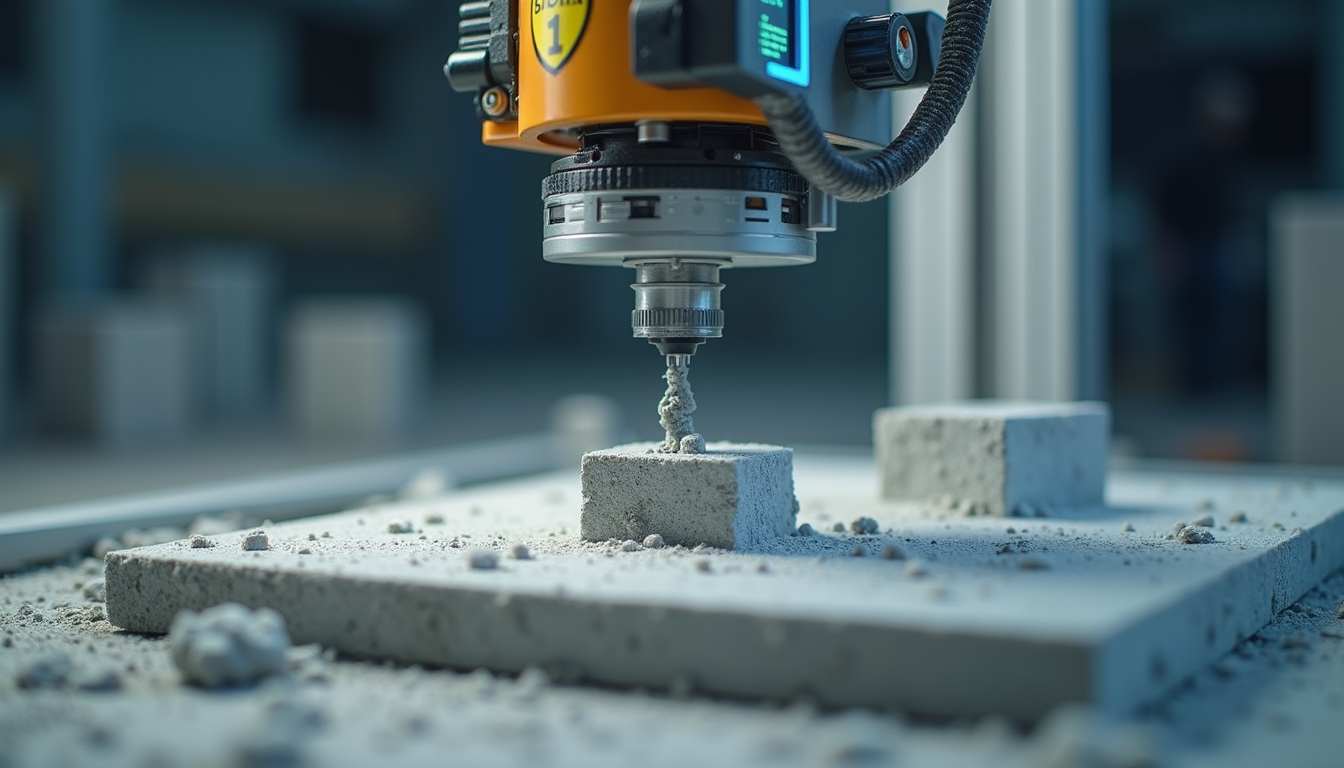
3D printing of homes is gaining traction as a method to produce durable, customized housing units quickly and at a fraction of traditional costs. This technology uses concrete or composite materials to print entire walls or structures layer by layer, minimizing labor and material waste.
Smart home technologies integrated into affordable housing can improve energy management and security. Sensors and automated systems optimize lighting, heating, and water use, reducing utility expenses for residents. These features also contribute to safer living environments, which is particularly important in disaster-prone areas.
Building Information Modeling (BIM) software enables precise planning and coordination among architects, engineers, and contractors. BIM reduces errors and delays, ensuring projects stay within budget and schedule.
Strategic Partnerships for Scaling Affordable Housing Solutions
Scaling innovative housing solutions requires collaboration among governments, NGOs, and private enterprises. Each stakeholder brings unique resources and expertise essential for successful implementation.
Governments provide regulatory frameworks, funding, and land access. NGOs contribute community engagement, needs assessment, and on-the-ground support. Private enterprises offer technical innovation, construction expertise, and capital investment.
Effective partnerships focus on:
- Shared goals: Aligning objectives to prioritize rapid, sustainable, and affordable housing.
- Resource pooling: Combining financial, technical, and human resources to maximize impact.
- Capacity building: Training local workers and transferring knowledge to ensure long-term project sustainability.
Monitoring and evaluation: Implementing robust systems to track progress and outcomes, enabling continuous improvement.
By fostering these collaborations, stakeholders can accelerate the delivery of housing solutions that meet the diverse needs of modern communities, especially those affected by disasters or economic hardship.
Future Directions in Affordable Housing Development
Looking ahead, the future of affordable housing lies in integrating innovation with social equity and environmental stewardship. Emerging trends include:
- Circular economy principles: Designing housing that can be easily disassembled and materials reused, reducing waste and resource consumption.
- Community-driven design: Engaging residents in the planning process to ensure housing meets cultural, social, and practical needs.
- Resilience planning: Building homes that withstand natural disasters and climate change impacts, safeguarding vulnerable populations.
Policy innovation: Advocating for flexible zoning laws and incentives that encourage affordable housing development.
These directions underscore the importance of a holistic approach that balances cost, quality, and sustainability. By embracing these principles, stakeholders can create housing solutions that not only provide shelter but also foster thriving, resilient communities.
In summary, the pursuit of innovative, cost-effective housing options is critical for addressing the global housing crisis. By leveraging modular construction, sustainable design, advanced technologies, and strategic partnerships, it is possible to deliver rapid, affordable, and durable housing solutions. These efforts will play a pivotal role in supporting disaster relief and underserved populations worldwide, aligning with the mission of organizations dedicated to expanding access to quality housing.
For more detailed information on affordable housing solutions, stakeholders are encouraged to explore specialized resources and collaborate with industry leaders committed to this vital cause.
Planning a resilient housing project?
Request a Proposal