
Sustainable Affordable Housing Solutions for Modern Needs

The global demand for housing continues to rise, driven by population growth, urbanization, and the increasing frequency of natural disasters. Addressing this demand requires innovative approaches that balance cost, speed, and environmental responsibility. Sustainable affordable housing solutions have emerged as a critical focus for governments, NGOs, and private enterprises aiming to provide safe, durable, and eco-friendly homes for underserved communities and disaster-affected populations. This article explores the principles, technologies, and strategies that define modern sustainable housing solutions, offering practical insights for stakeholders involved in housing development and disaster relief.
The Imperative for Sustainable Housing Solutions
Sustainability in housing is no longer a luxury but a necessity. Traditional construction methods often consume excessive resources, generate significant waste, and contribute to environmental degradation. Moreover, the affordability of housing remains a persistent challenge, especially in regions prone to natural disasters or economic instability. Sustainable housing solutions integrate environmental stewardship with economic feasibility, ensuring that homes are not only affordable but also resilient and energy-efficient.
Key components of sustainable housing include:
- Use of renewable and recycled materials: Incorporating materials such as bamboo, recycled steel, and reclaimed wood reduces environmental impact.
- Energy efficiency: Designing homes with proper insulation, solar panels, and energy-efficient appliances minimizes energy consumption.
- Water conservation: Implementing rainwater harvesting and greywater recycling systems supports sustainable water use.
Modular and prefabricated construction: These methods reduce construction time and waste, enabling rapid deployment in disaster zones.
By adopting these principles, housing projects can achieve long-term cost savings and reduce their carbon footprint, aligning with global sustainability goals.
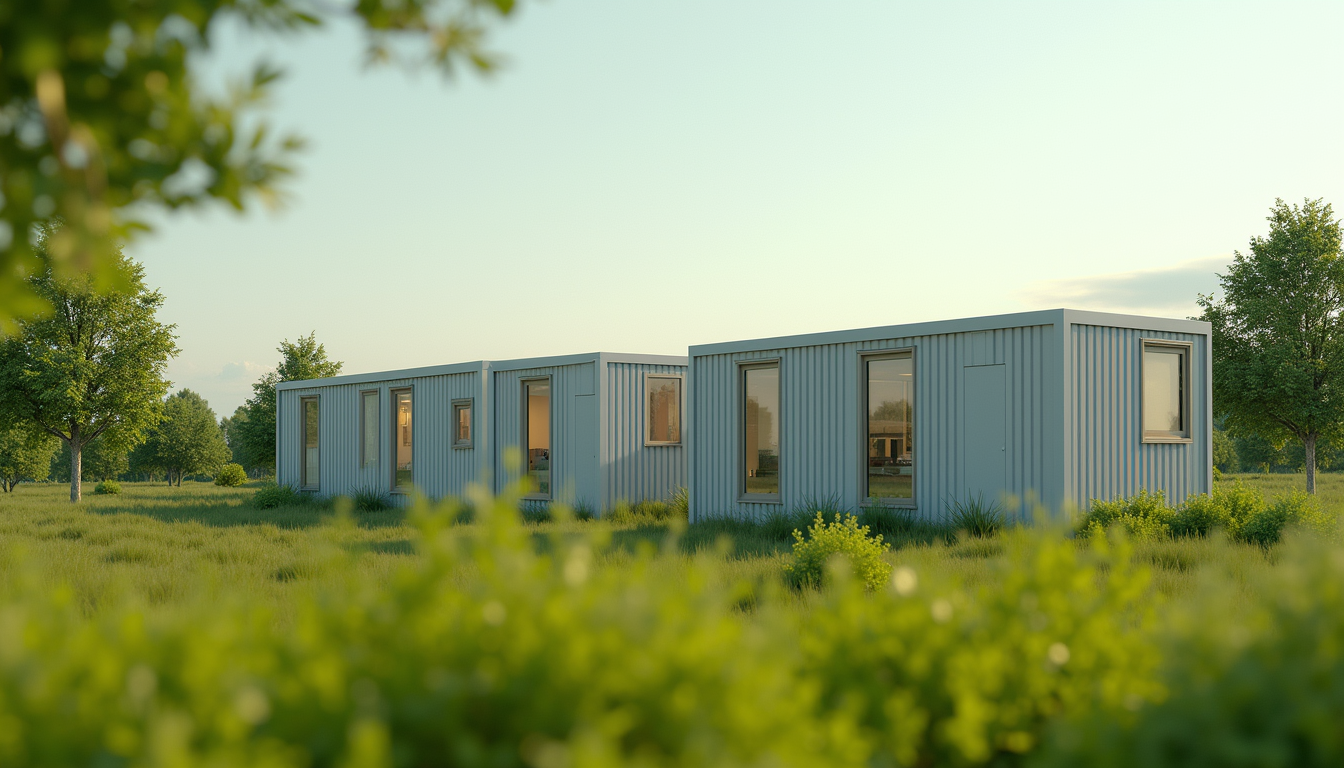
Innovative Sustainable Housing Solutions for Modern Needs
Modern sustainable housing solutions leverage cutting-edge technologies and design philosophies to meet the complex demands of affordability, durability, and environmental responsibility. Among the most promising approaches are:
Prefabricated and Modular Construction
Prefabrication involves manufacturing housing components off-site in controlled environments, which are then transported and assembled on location. This method offers several advantages:
- Speed: Construction time is significantly reduced, enabling rapid response in disaster relief scenarios.
- Quality control: Factory settings ensure consistent quality and reduce defects.
Waste reduction: Precise manufacturing minimizes material waste.
Modular homes can be customized to local climatic conditions and cultural preferences, enhancing their suitability for diverse regions.
Use of Sustainable Materials
Material selection plays a pivotal role in sustainability. Innovations include:
- Cross-laminated timber (CLT): A renewable alternative to concrete and steel, CLT offers strength and thermal insulation.
- Recycled plastics and composites: These materials reduce landfill waste and can be engineered for durability.
Earth-based materials: Techniques such as rammed earth and compressed earth blocks provide natural insulation and low embodied energy.
Energy and Water Efficiency Technologies
Incorporating renewable energy systems and water-saving technologies is essential for sustainable housing:
- Solar photovoltaic panels: Provide clean energy and reduce reliance on fossil fuels.
- Passive solar design: Optimizes natural light and heat, reducing energy needs.
- Rainwater harvesting systems: Collect and store rainwater for non-potable uses.
Low-flow fixtures and greywater recycling: Conserve water resources.
Smart Home Integration
Smart technologies enhance sustainability by optimizing resource use:
- Automated lighting and HVAC controls: Adjust energy consumption based on occupancy.
- Energy monitoring systems: Provide real-time feedback to occupants.
Remote management: Enables efficient maintenance and reduces operational costs.
These innovations collectively contribute to homes that are affordable, resilient, and environmentally responsible.
Where can I live for $500 a month in the USA?
For individuals and families seeking affordable housing options within the United States, the challenge is significant, especially in urban centers where housing costs are high. However, several regions offer rental or ownership opportunities around the $500 per month mark, often in smaller towns or rural areas with lower living costs.
Examples of Affordable Locations
- Midwest towns: Cities such as Cleveland, Ohio, and Detroit, Michigan, have neighborhoods where rental prices can be found near $500 monthly.
- Southern rural areas: Parts of Mississippi, Arkansas, and Alabama offer affordable housing options, often supported by local development programs.
Smaller cities in the Southwest: Some communities in New Mexico and Texas provide affordable rentals, particularly in less densely populated areas.
Considerations for Affordable Living
- Transportation: Lower housing costs may be offset by transportation expenses if employment centers are distant.
- Access to services: Availability of healthcare, education, and amenities varies widely.
Community support: Local NGOs and government programs often assist with housing subsidies and development.
Understanding these factors is crucial for planning sustainable housing projects that meet the financial constraints of target populations.
Strategies for Implementing Sustainable Housing Projects
Successful deployment of sustainable housing solutions requires coordinated efforts across multiple sectors. The following strategies are essential for maximizing impact:
Collaboration Among Stakeholders
- Governments: Provide regulatory frameworks, funding, and land allocation.
- NGOs: Facilitate community engagement, needs assessment, and project management.
Private enterprises: Offer technical expertise, innovation, and capital investment.
Joint ventures and public-private partnerships can accelerate project timelines and enhance resource efficiency.
Financing and Incentives
Access to affordable financing is critical. Mechanisms include:
- Grants and subsidies: Support initial capital costs and reduce financial barriers.
- Low-interest loans: Enable long-term affordability for homeowners.
Tax incentives: Encourage investment in sustainable materials and technologies.
Capacity Building and Training
Empowering local labor forces through training in sustainable construction techniques ensures quality and fosters economic development. This approach also supports maintenance and scalability of housing projects.
Policy and Regulatory Support
Policies that promote sustainable building codes, streamline permitting processes, and incentivize green construction are vital. Governments must balance safety standards with flexibility to accommodate innovative methods.
Future Directions in Sustainable Housing Development
The trajectory of sustainable housing solutions is shaped by emerging trends and evolving technologies. Anticipated developments include:
- Advanced materials: Nanotechnology and bio-based composites promise enhanced durability and environmental performance.
- 3D printing: Automated construction techniques can reduce costs and enable complex designs.
- Circular economy models: Emphasizing reuse and recycling throughout the building lifecycle.
Community-centric designs: Integrating social infrastructure to foster resilience and well-being.
Continued research and investment will be necessary to refine these approaches and expand their applicability globally.
Advancing Rapid-Build Sustainable Housing for Global Impact
The urgency of providing safe, affordable, and sustainable housing is underscored by the increasing frequency of natural disasters and the persistent housing deficits in underserved communities. Rapid-build solutions that incorporate sustainable design principles offer a viable path forward. By leveraging modular construction, renewable materials, and energy-efficient technologies, stakeholders can deliver homes that meet immediate needs while supporting long-term environmental and economic goals.
As a committed partner in this endeavor, J. L. Filbey & Sons Capital Partners is dedicated to expanding the reach of these innovative housing solutions worldwide. Through collaboration with governments, NGOs, and private enterprises, the vision of accessible, resilient, and sustainable housing can become a reality for millions.
For those seeking to explore practical and scalable options, I recommend reviewing the latest developments in affordable housing solutions that integrate sustainability with rapid deployment capabilities. This approach not only addresses immediate shelter needs but also contributes to building stronger, more sustainable communities for the future.
Planning a resilient housing project?
Request a Proposal