
Why Affordable DIY Housing Kits Are Game-Changing

In recent years, the housing sector has witnessed a transformative shift with the emergence of affordable DIY housing kits. These kits offer a novel approach to constructing homes rapidly, sustainably, and cost-effectively. For governments, NGOs, and private enterprises engaged in disaster relief and affordable housing initiatives, this innovation presents a strategic advantage. The ability to deploy housing solutions swiftly without compromising quality or sustainability is crucial in addressing urgent shelter needs and long-term community development.
The Rise of Affordable DIY Housing Kits
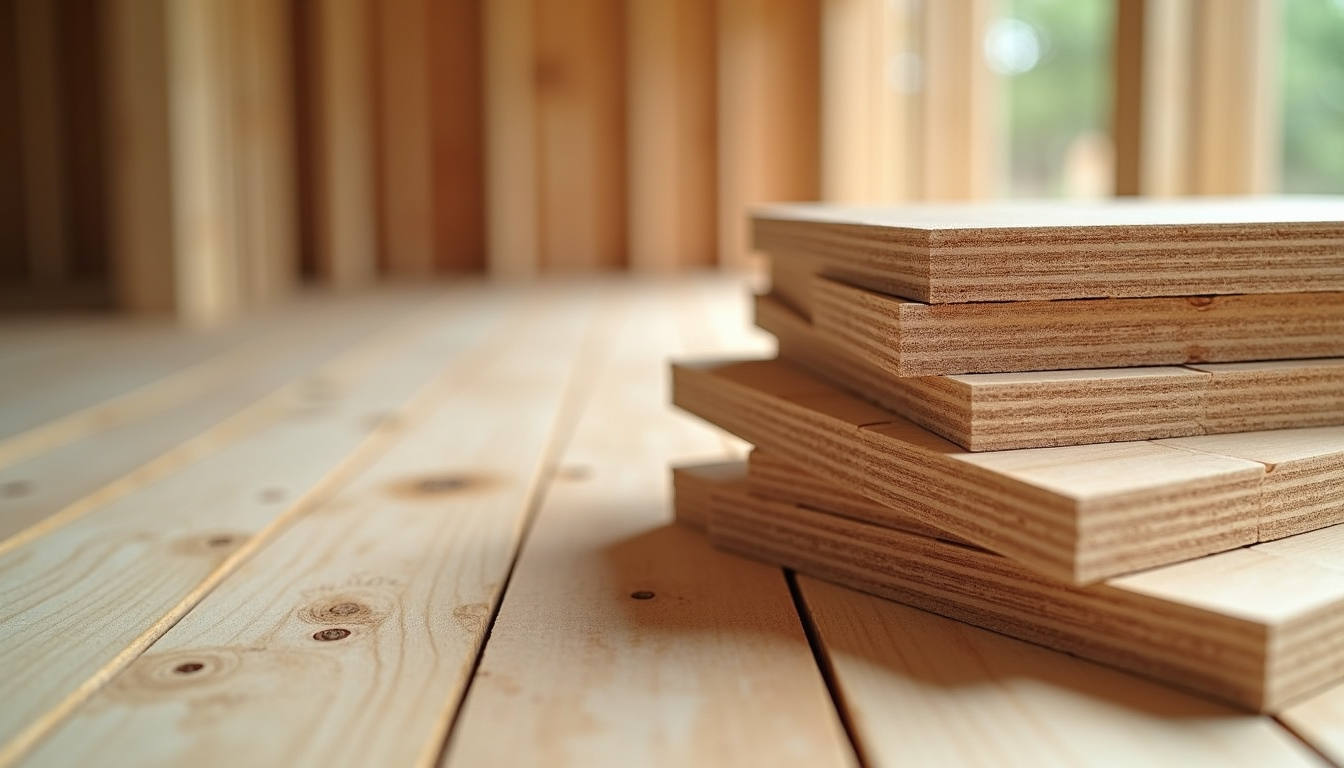
Affordable DIY housing kits have gained traction due to their modular design and ease of assembly. These kits typically include pre-cut materials, detailed instructions, and all necessary components to build a functional dwelling. The modular nature allows for scalability and customization, adapting to various geographic and climatic conditions.
One of the primary benefits is the reduction in construction time. Traditional building methods often require months or even years to complete, whereas DIY kits can be assembled in a matter of weeks. This acceleration is vital in disaster-stricken areas where immediate shelter is a priority.
Moreover, these kits promote sustainability by utilizing eco-friendly materials and minimizing waste. Many manufacturers incorporate recycled or renewable resources, aligning with global environmental goals. The controlled manufacturing process also ensures consistent quality, reducing the risk of structural failures.
Key Advantages of Affordable DIY Housing Kits
The advantages of affordable DIY housing kits extend beyond speed and sustainability. They offer practical solutions to several challenges faced by housing providers:
- Cost Efficiency: By streamlining the supply chain and reducing labor costs, these kits significantly lower the overall expense of home construction.
- Accessibility: The simplified assembly process enables local communities to participate actively in building their homes, fostering empowerment and skill development.
- Flexibility: Kits can be tailored to different sizes and layouts, accommodating diverse family needs and cultural preferences.
- Durability: Engineered components ensure resilience against natural disasters such as earthquakes, floods, and hurricanes.
Portability: Some kits are designed for easy disassembly and relocation, ideal for temporary or transitional housing solutions.
These features make affordable DIY housing kits an attractive option for large-scale housing projects, especially in regions where infrastructure and skilled labor are limited.
Practical Applications in Disaster Relief and Affordable Housing
The utility of affordable DIY housing kits is particularly evident in disaster relief scenarios. Following natural calamities, the immediate challenge is to provide safe, habitable shelters to displaced populations. Traditional construction methods often falter under the pressure of urgency and resource scarcity.
DIY kits enable rapid deployment of housing units that meet safety standards and provide comfort. For example, after a major earthquake, relief organizations can distribute kits to affected communities, allowing residents to rebuild their homes with minimal external assistance. This approach not only accelerates recovery but also preserves dignity and autonomy.
In affordable housing projects, these kits facilitate the creation of sustainable communities. Governments and NGOs can implement large-scale developments with predictable budgets and timelines. The modular design supports phased construction, allowing incremental expansion as funding becomes available.
Overcoming Challenges and Ensuring Success
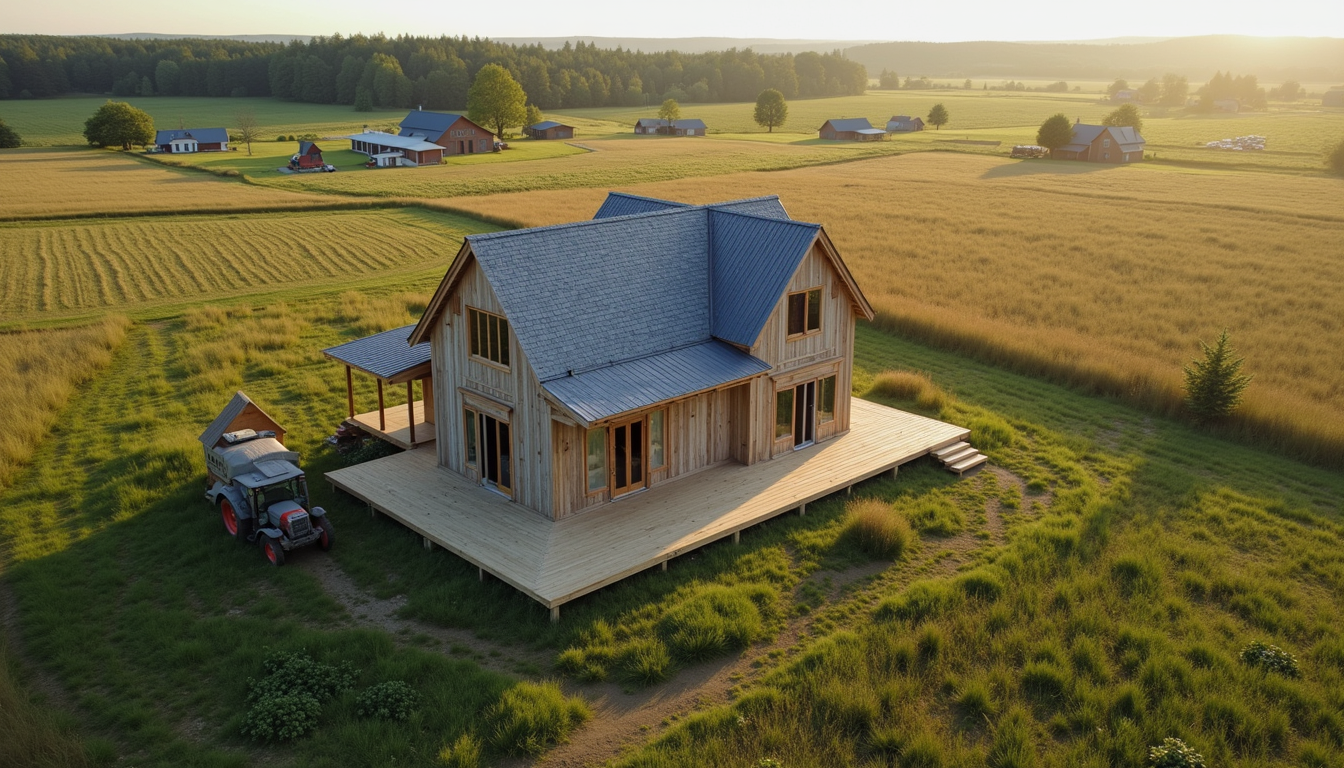
While the benefits are substantial, successful implementation of affordable DIY housing kits requires careful planning and coordination. Key considerations include:
- Site Preparation: Proper land assessment and groundwork are essential to ensure stability and compliance with local regulations.
- Training and Support: Providing comprehensive training materials and on-site guidance helps communities assemble kits correctly and safely.
- Supply Chain Management: Efficient logistics are critical to deliver kits promptly, especially in remote or disaster-affected areas.
- Customization and Compliance: Adapting designs to local building codes, climate conditions, and cultural preferences enhances acceptance and functionality.
Long-Term Maintenance: Establishing maintenance protocols and access to replacement parts ensures the longevity of the housing units.
By addressing these factors, stakeholders can maximize the impact of affordable DIY housing kits and foster sustainable development.
The Future of Housing Solutions
The integration of technology and innovation continues to propel the evolution of affordable DIY housing kits. Advances in materials science, digital fabrication, and smart home systems are expanding the possibilities for rapid, resilient, and environmentally responsible housing.
For organizations committed to disaster relief and affordable housing, embracing these kits represents a strategic investment in scalable solutions. The availability of diy house kits for sale offers an accessible entry point to implement these transformative housing models worldwide.
As the global demand for sustainable and affordable housing intensifies, DIY house kits stand out as a game-changing approach. They empower communities, optimize resources, and accelerate recovery efforts, aligning perfectly with the mission to provide safe and dignified shelter for all.
The adoption of affordable DIY housing kits marks a pivotal moment in the housing sector. Their capacity to deliver rapid, cost-effective, and sustainable homes addresses critical challenges faced by governments, NGOs, and private enterprises. By leveraging these innovative solutions, stakeholders can significantly enhance their impact in disaster relief and affordable housing initiatives, ultimately contributing to resilient and thriving communities worldwide.
Planning a resilient housing project?
Request a Proposal